Skip to content
Comparative Guts
Comparative
Guts
Search
Search
Close this search box.
Menu
Viscera
All
Whole
Solid
Coil
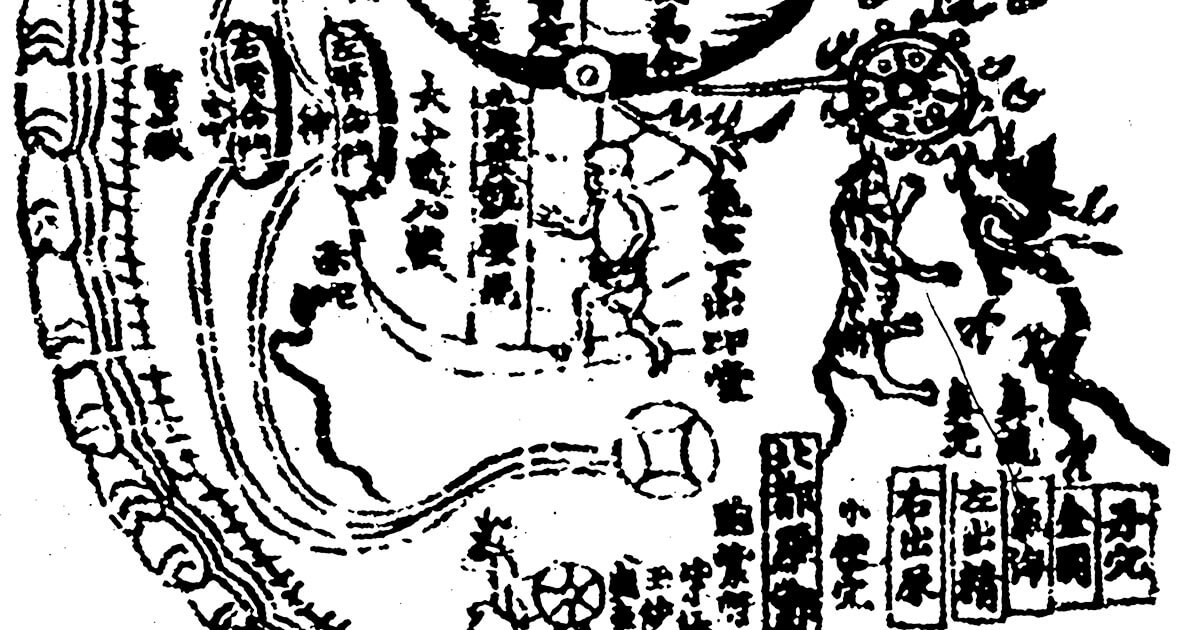
The Lower Cinnabar Field
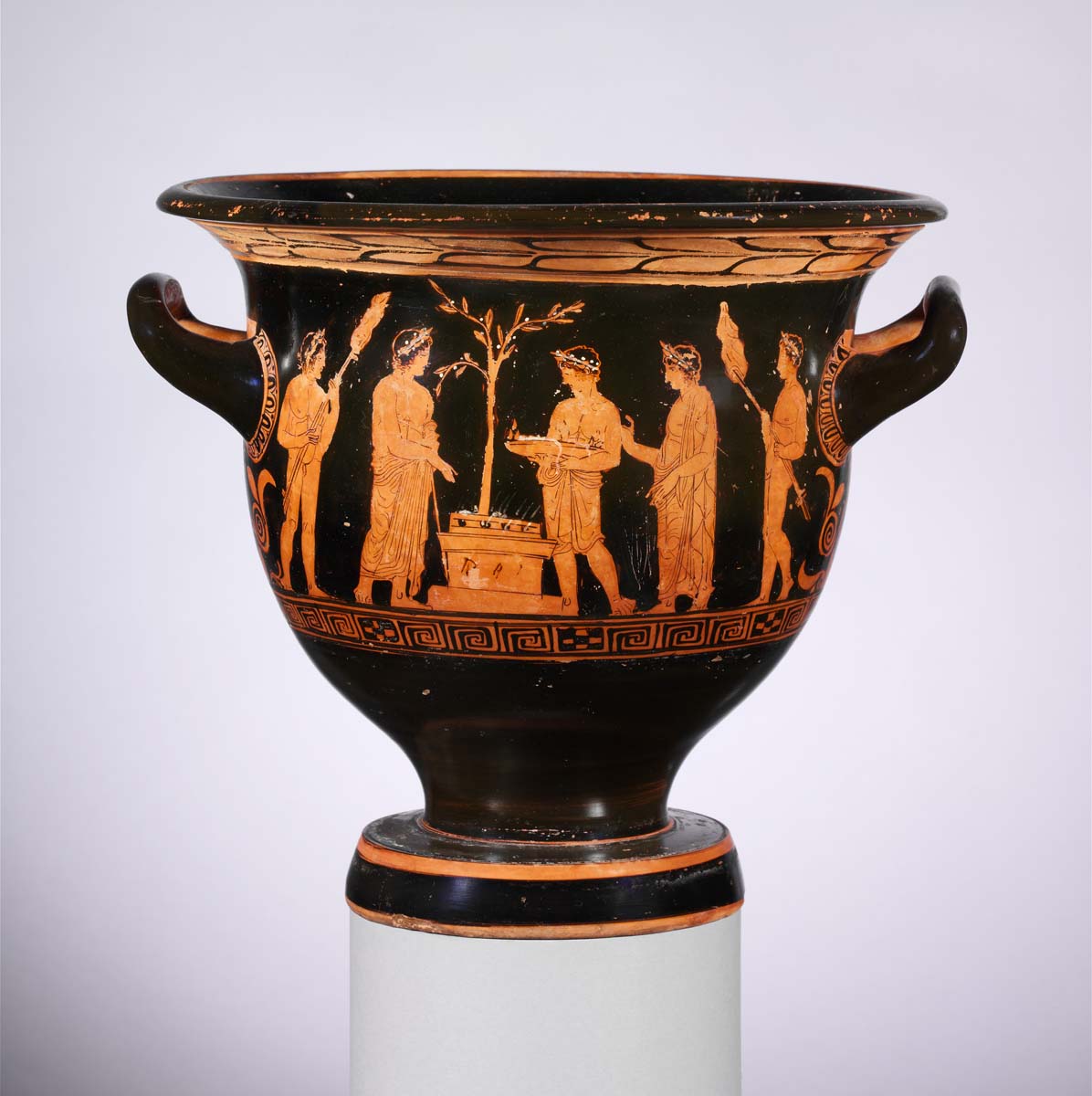
Red-figured terracotta bell-krater
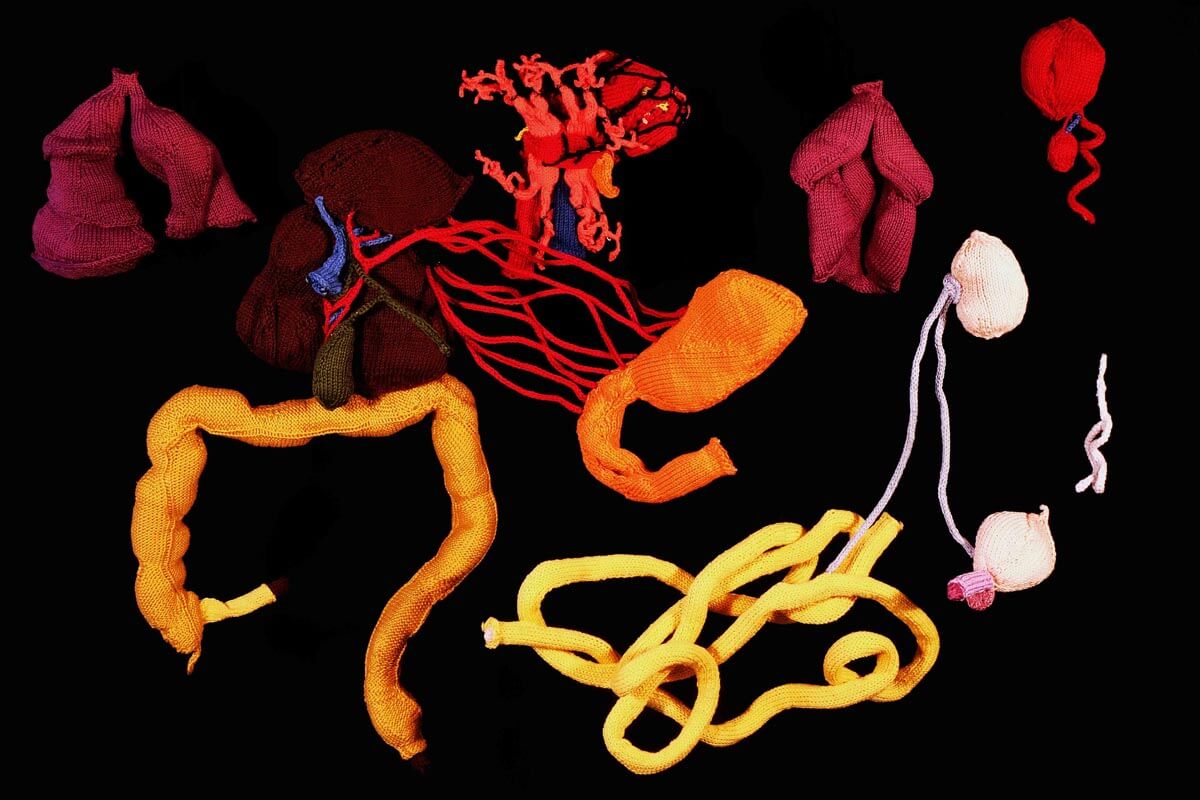
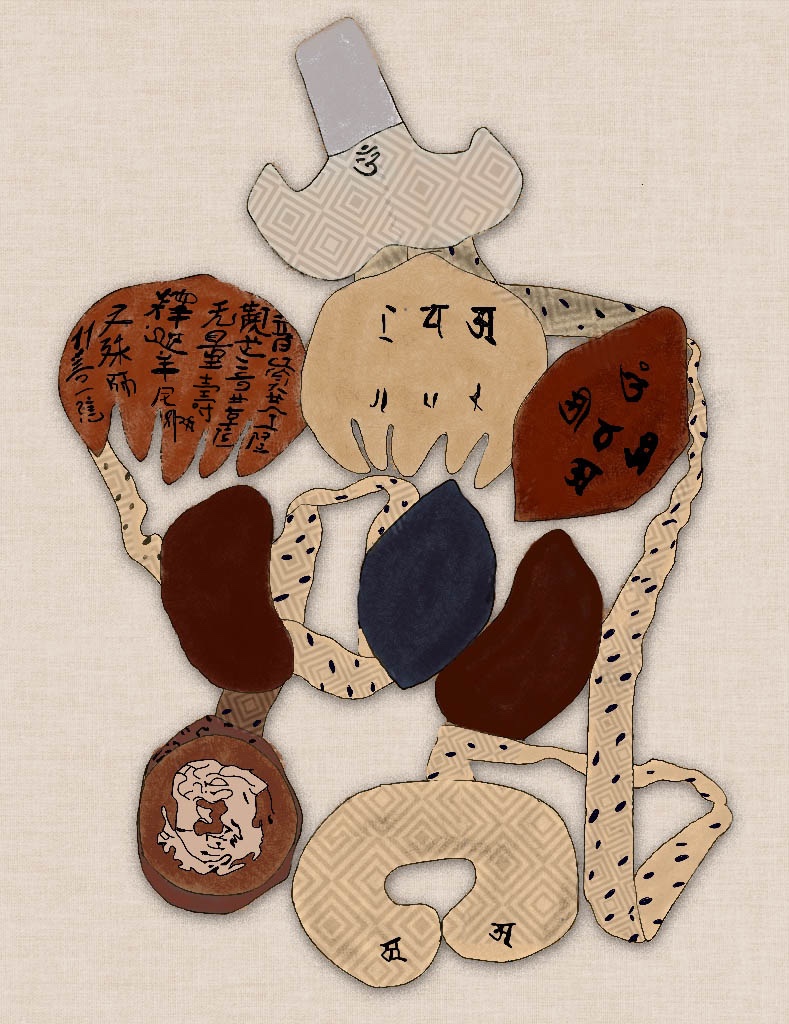
Knitted artwork of guts based on Tibetan medical painting at Atsagat Monastery, Republic of Buryatia, Russia.
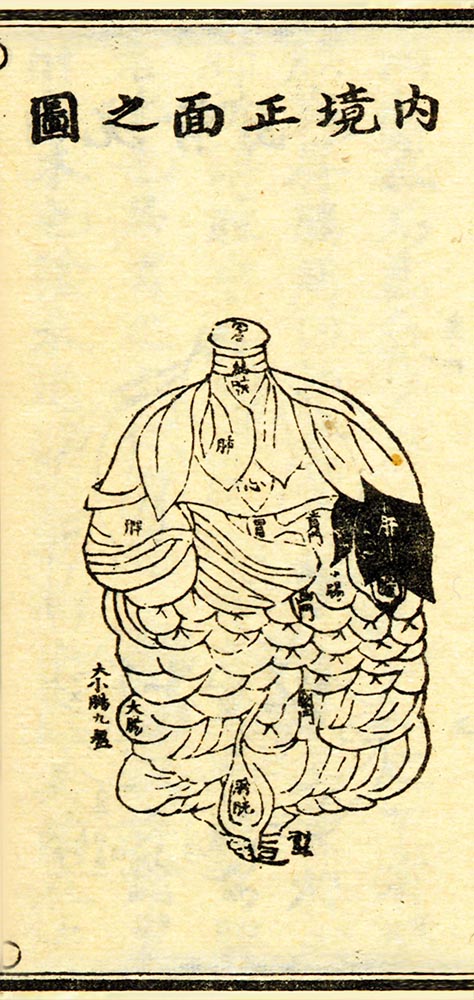
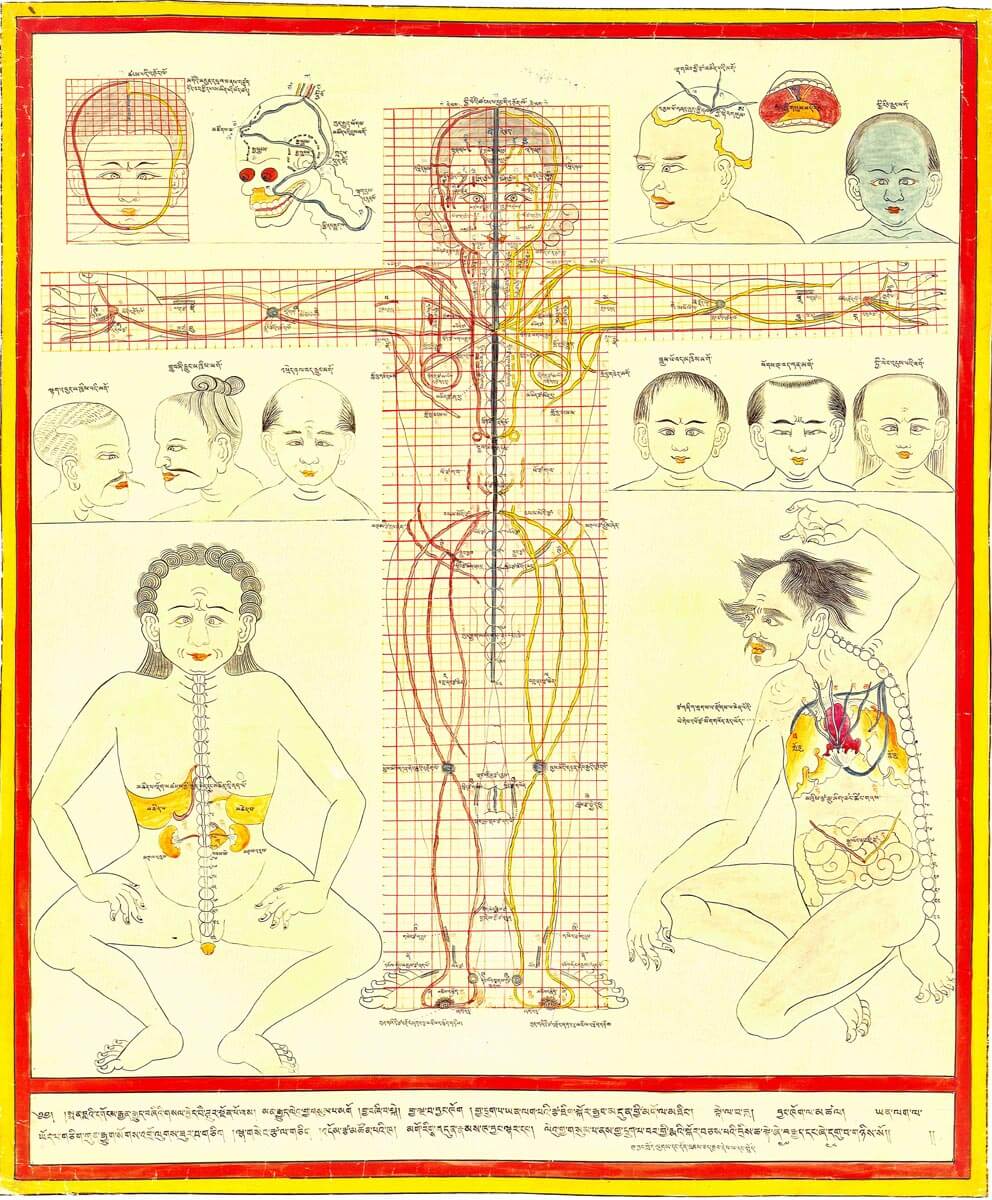
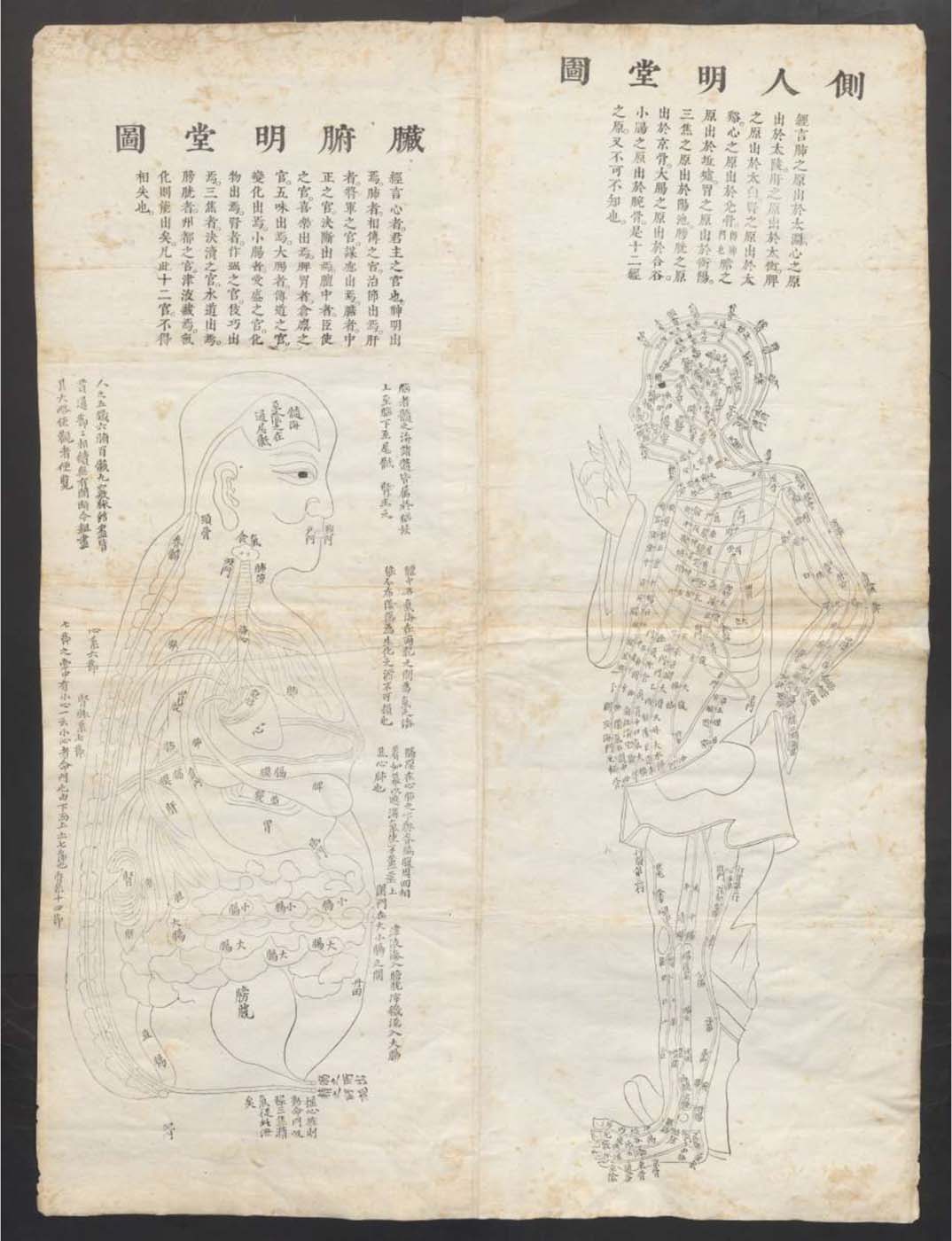
Maps of the inner sceneries • ventral and dorsal view
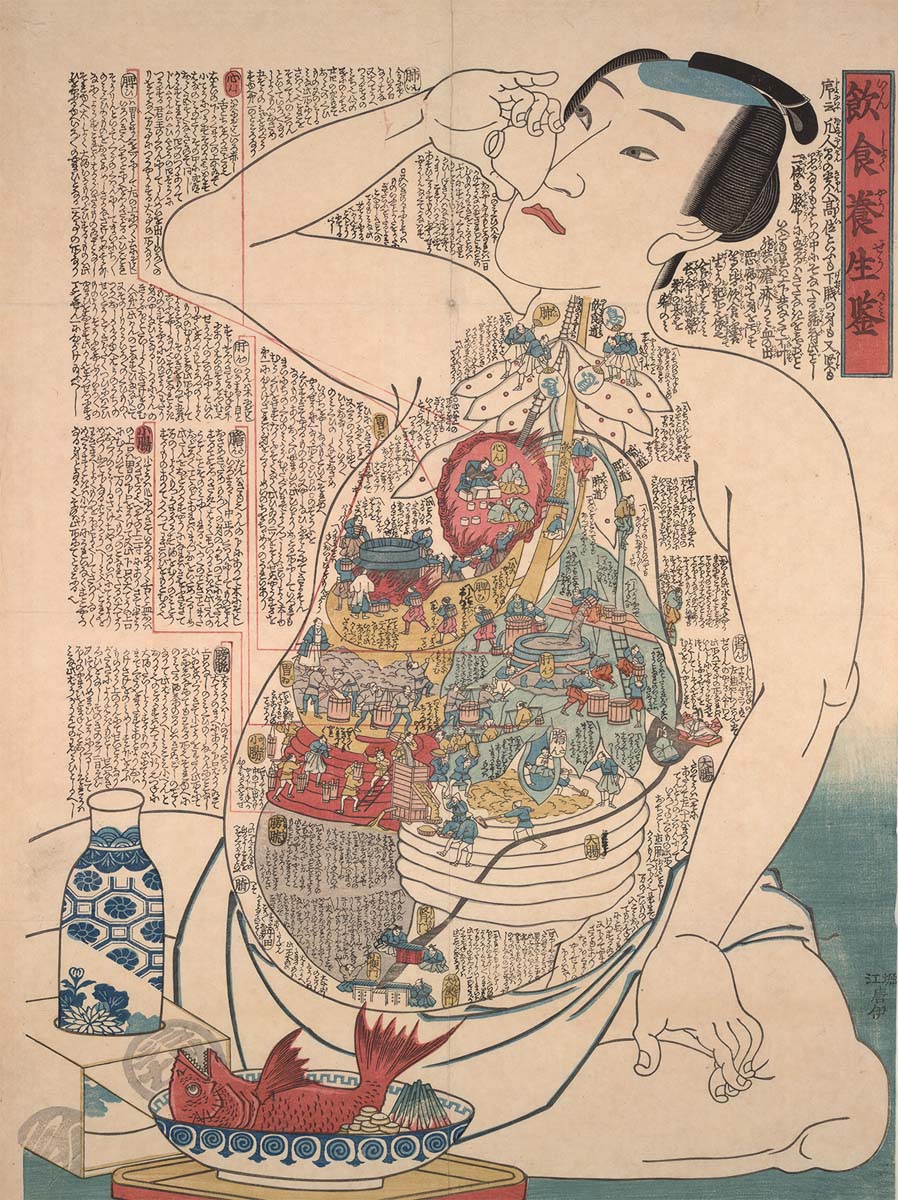
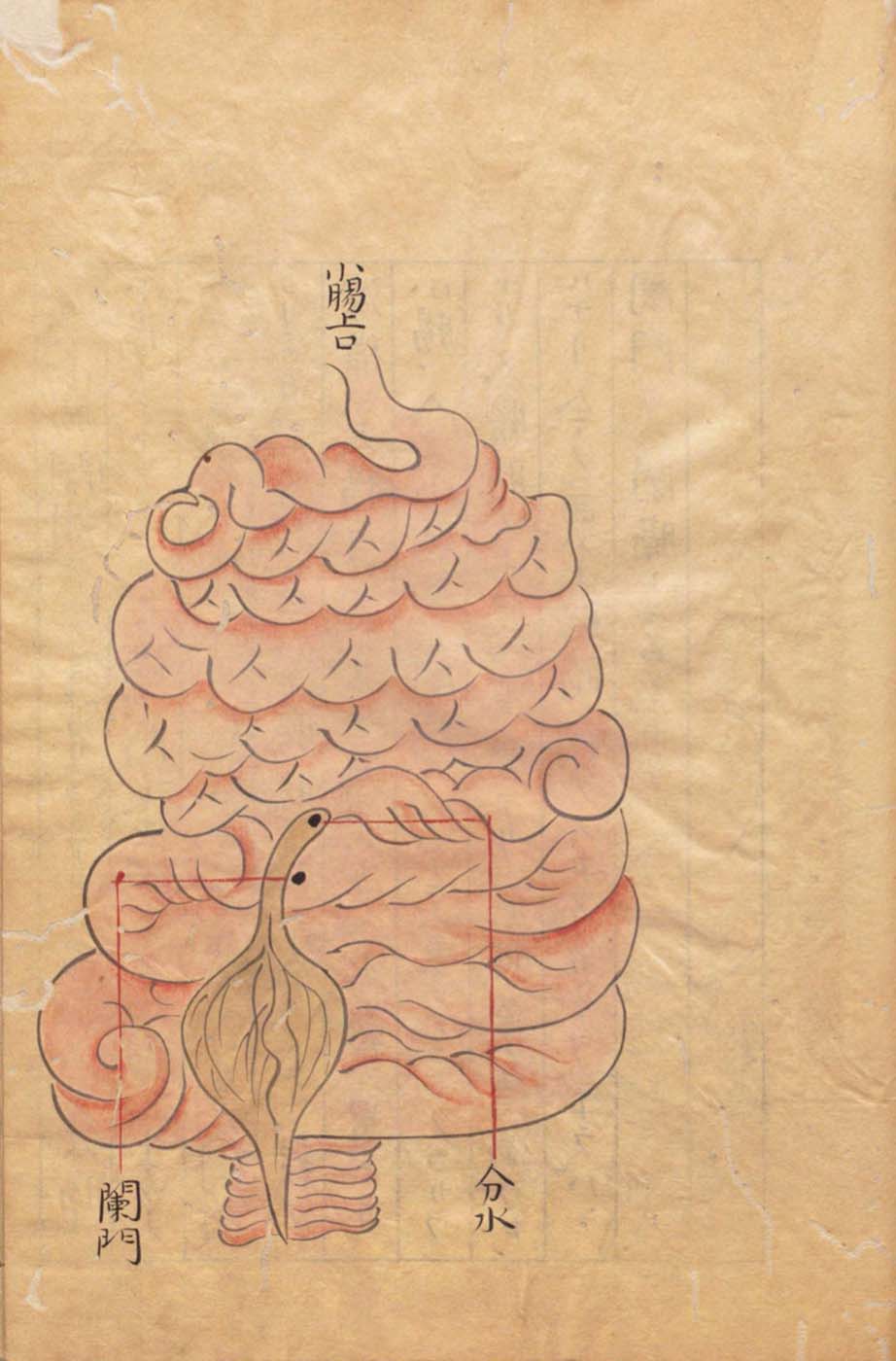
Inshoku yōjō kagami
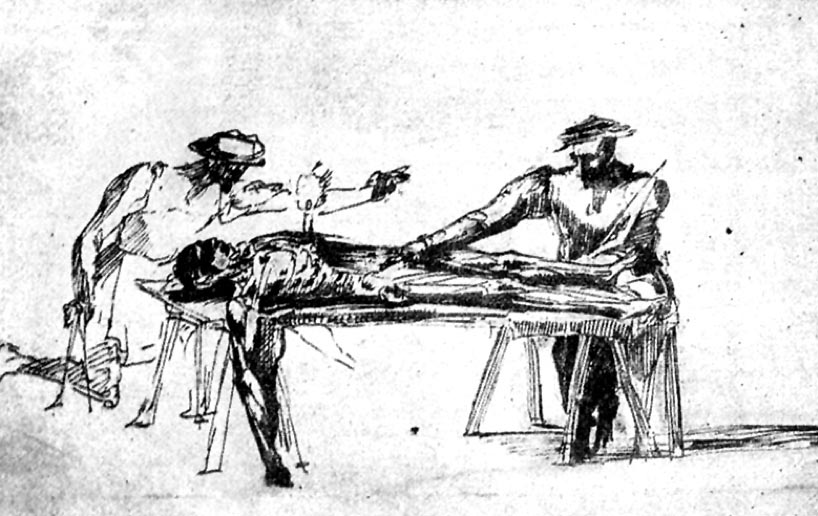
Bernardino Capitelli, Anatomical Dissection, c. 1604 – 1639.
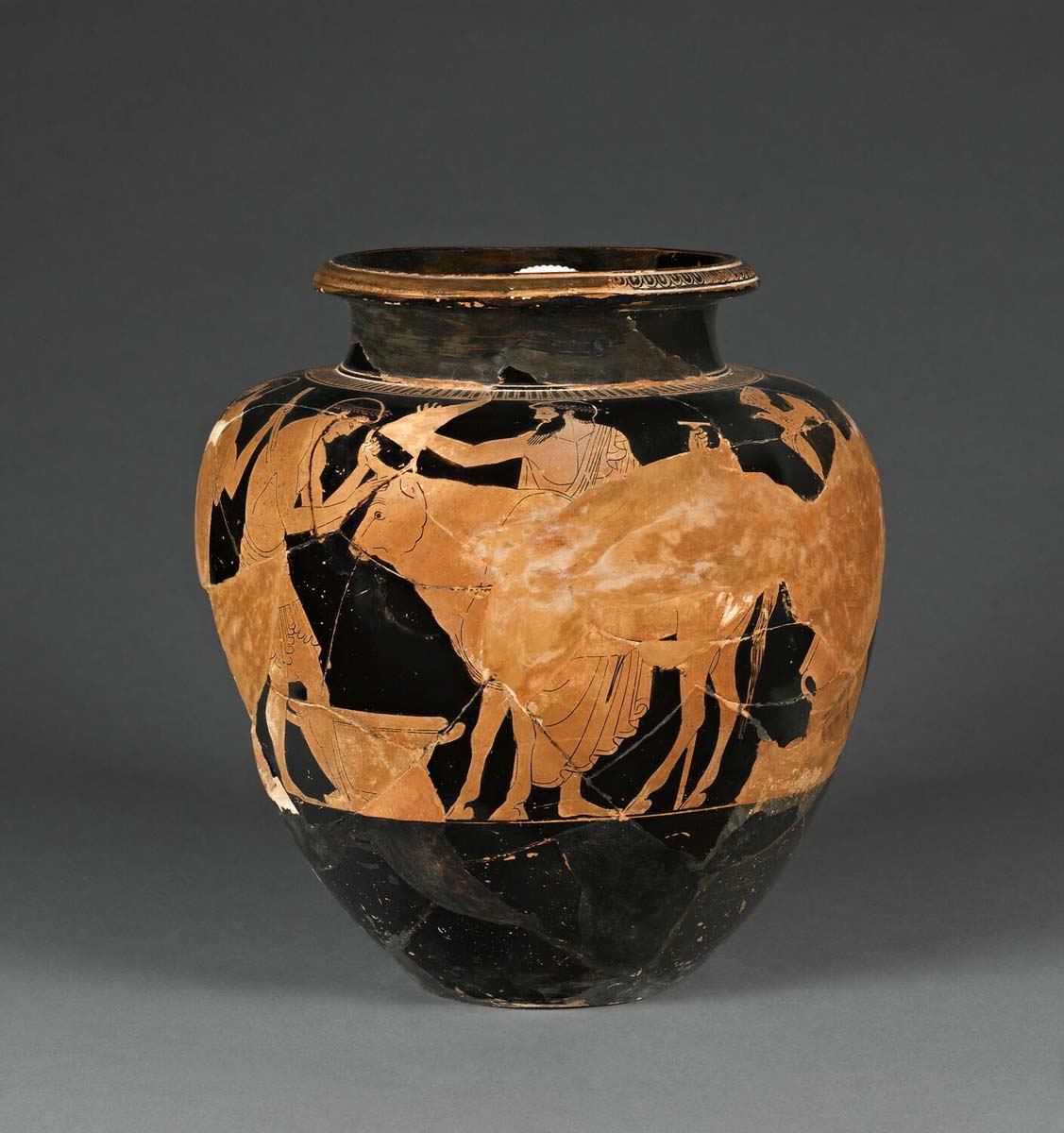
Red-figured terracotta stamnos
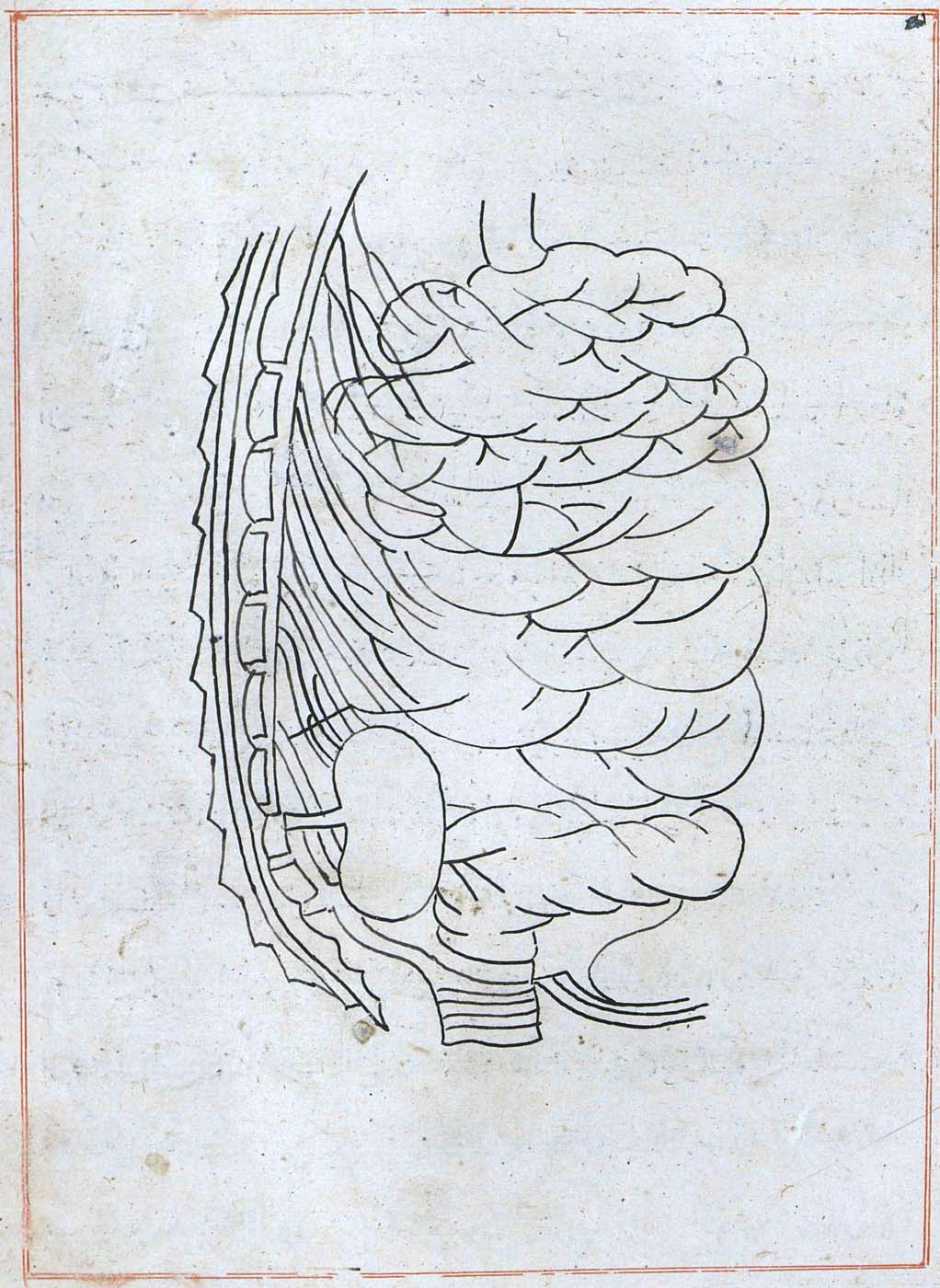
Illustration depicting a right lateral view of the body (f. 72r)
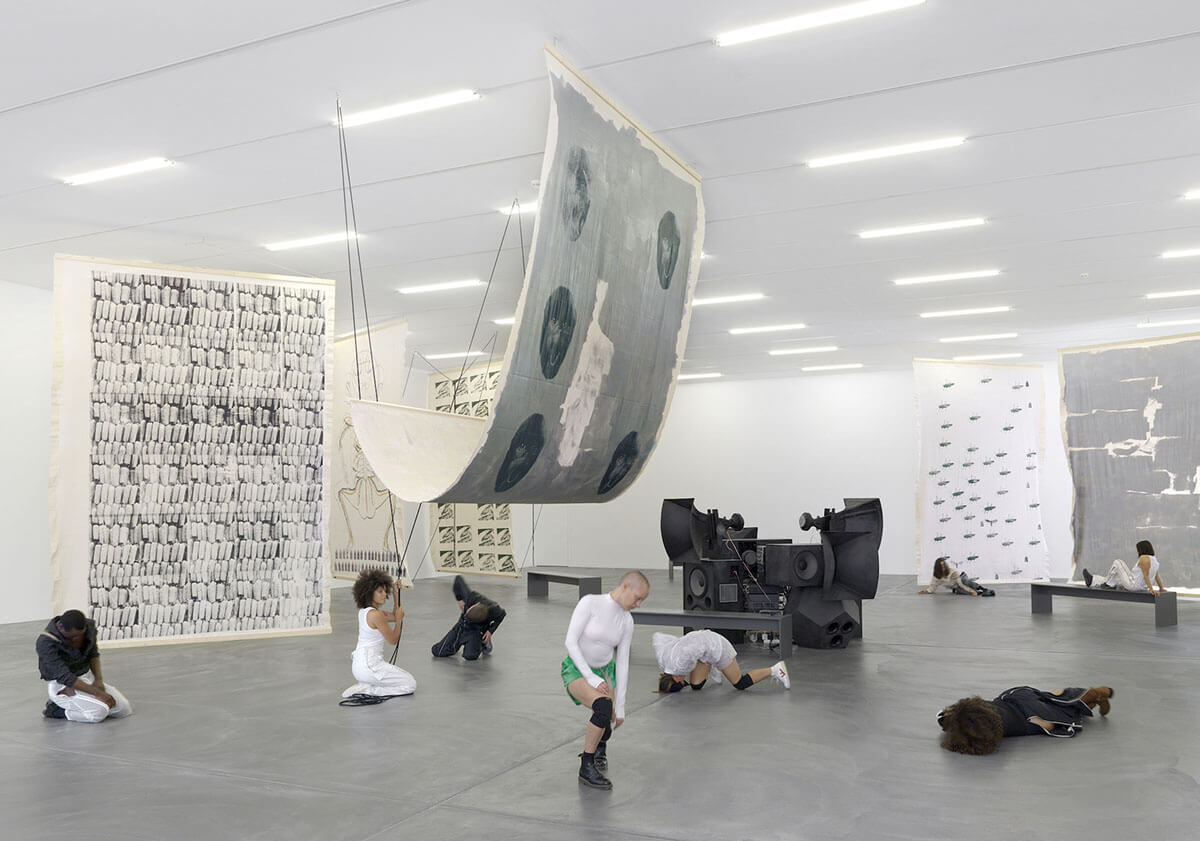
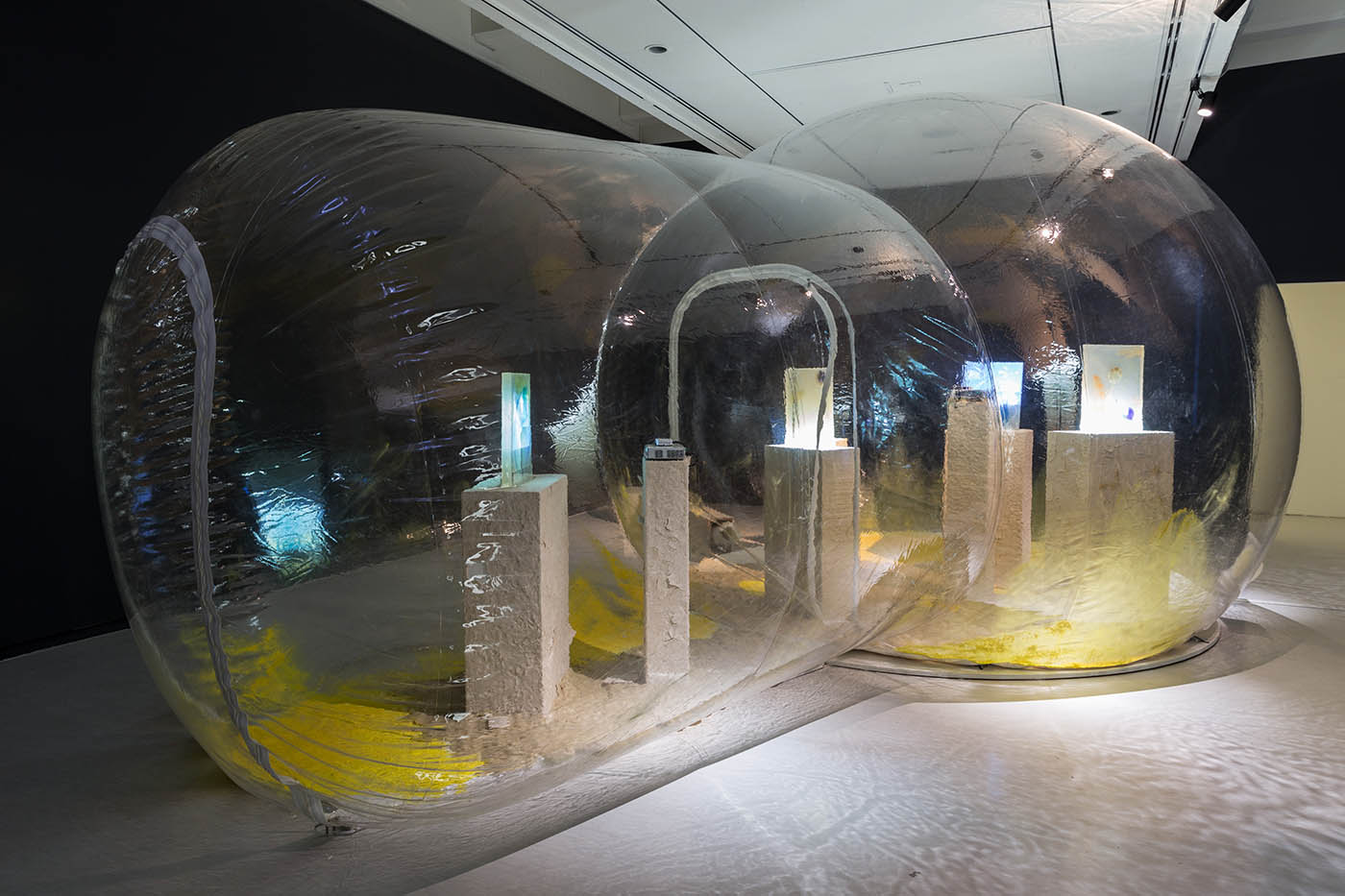
Isabel Lewis,
Scalable Skeletal Escalator
(2020)
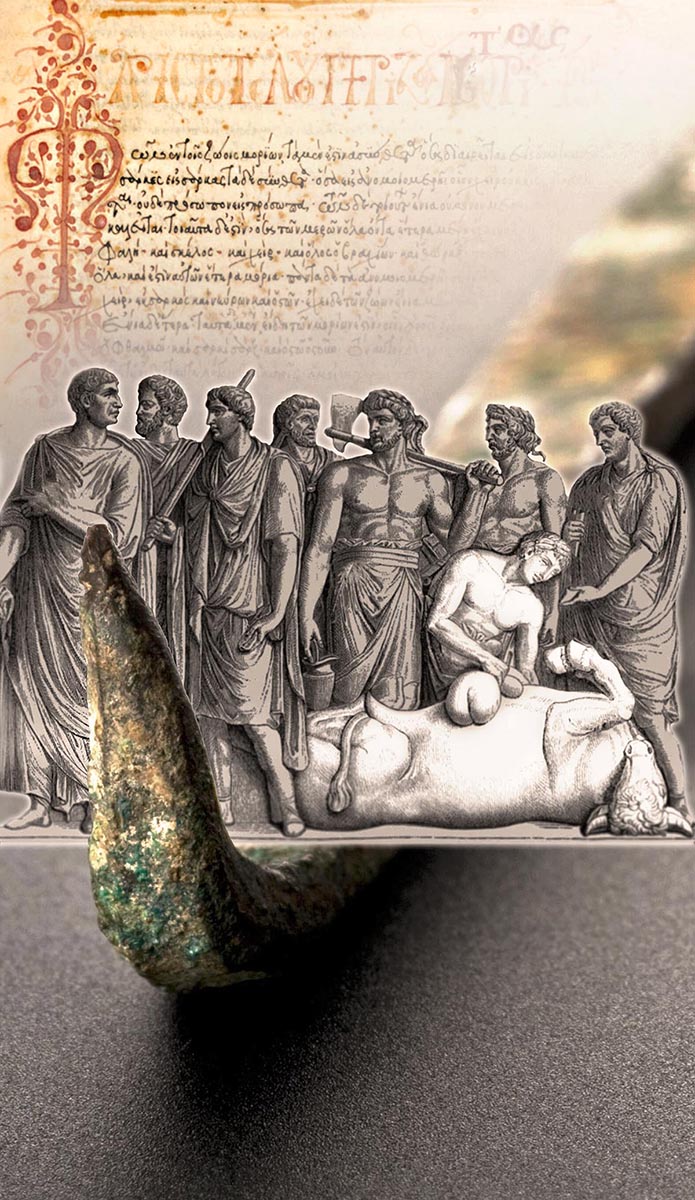
From Observation to Text: The Guts according to Aristotle
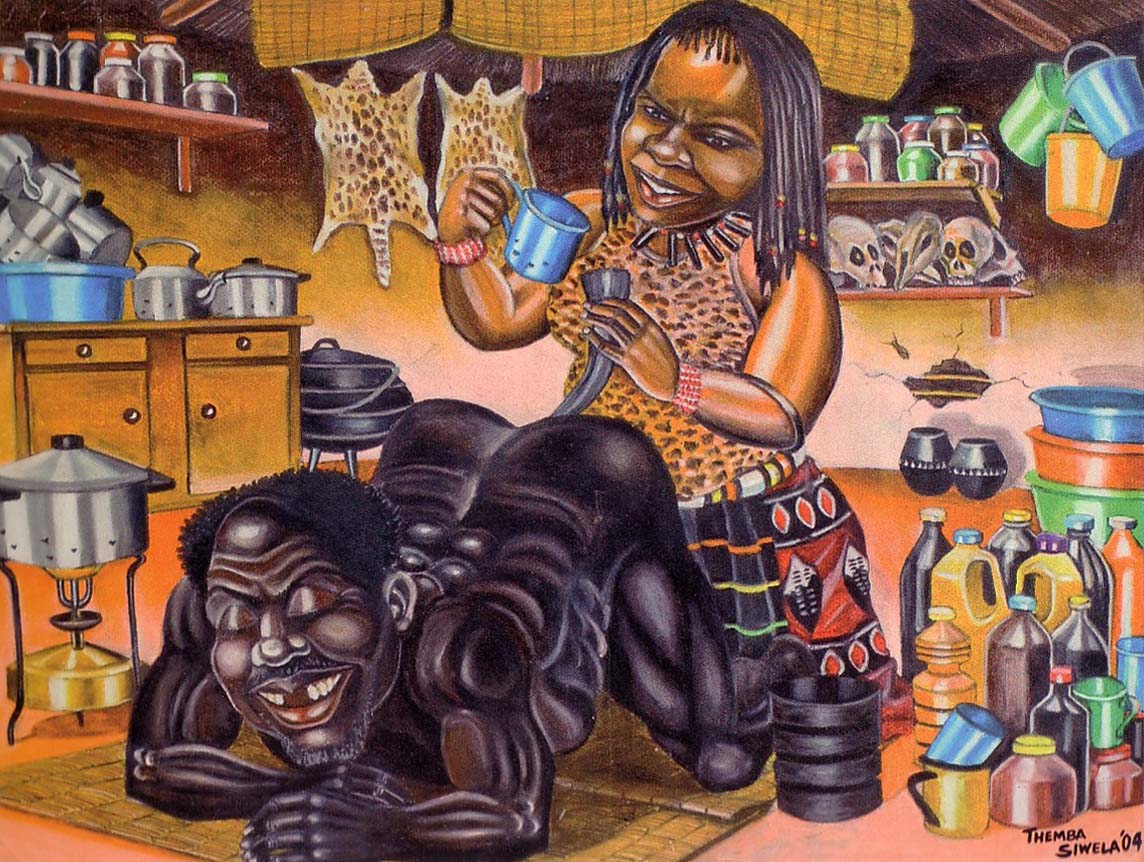
My culture
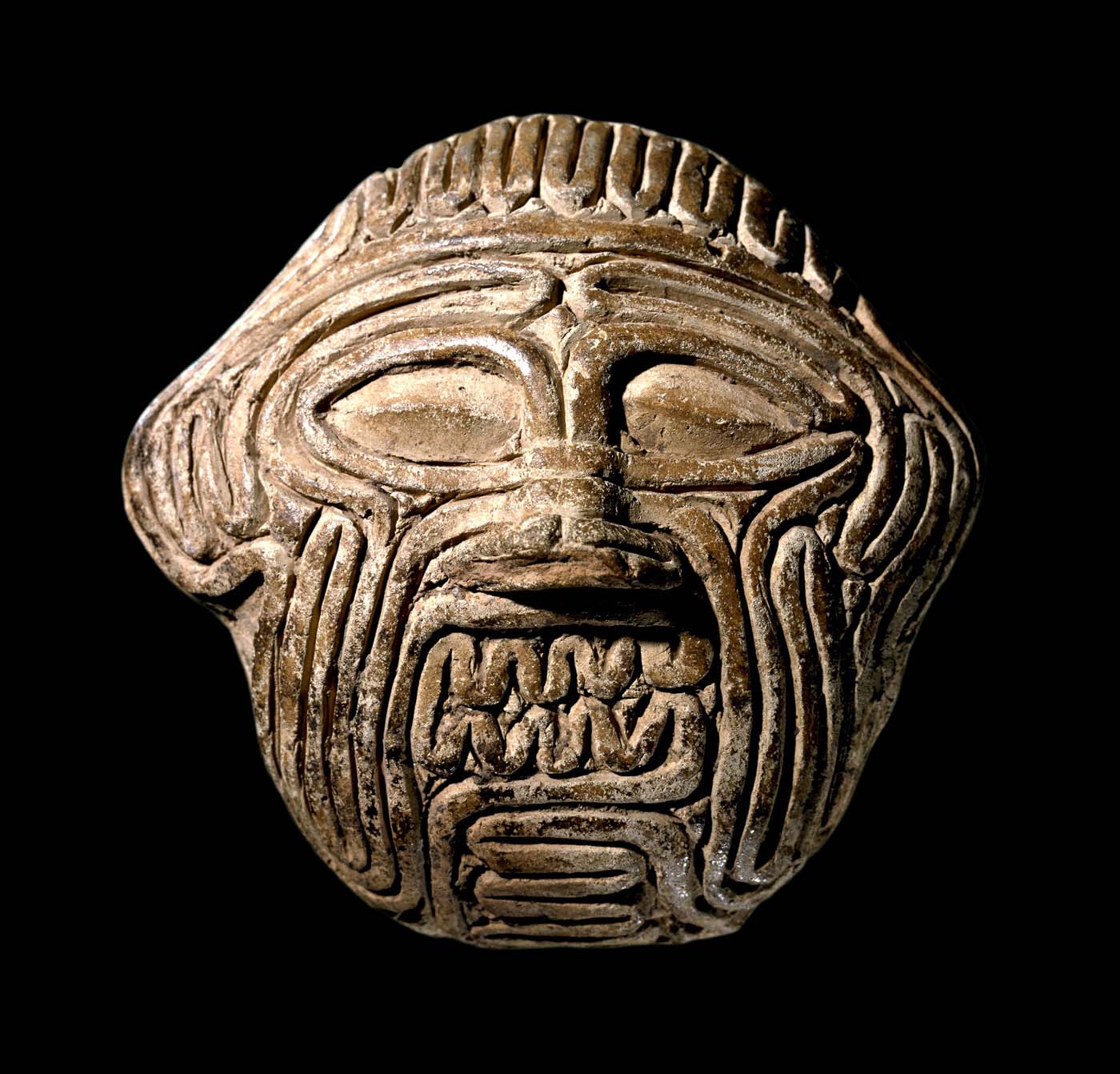
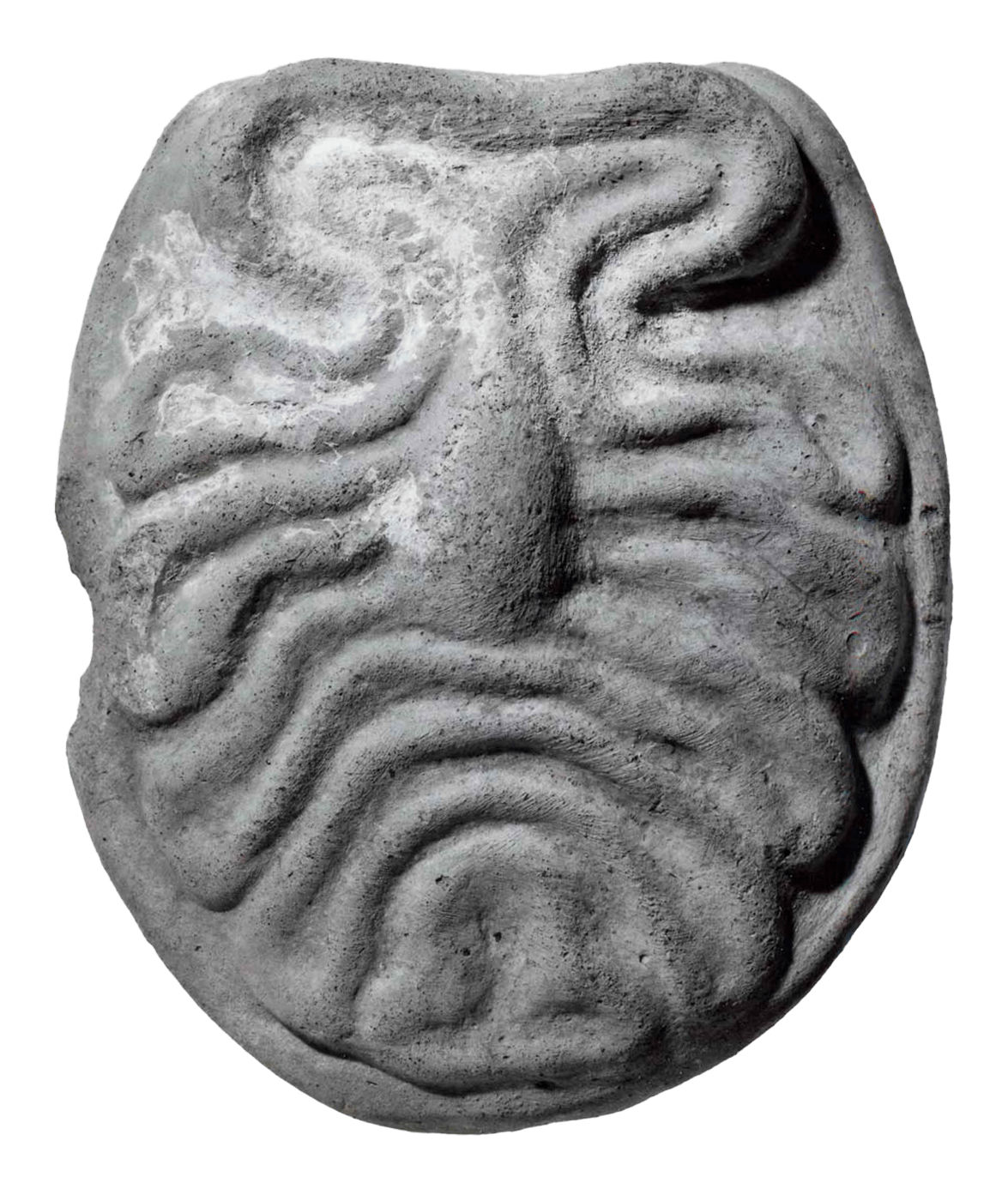
Mask of Huwawa
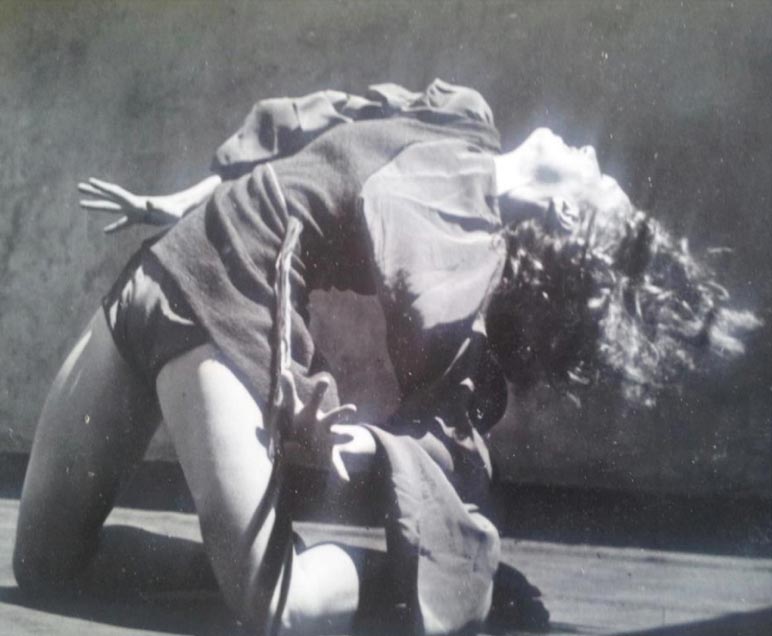
Dancer Shona Dunlop performing the role of Cain in
Cain and Abel,
Sydney, Australia, 1940.
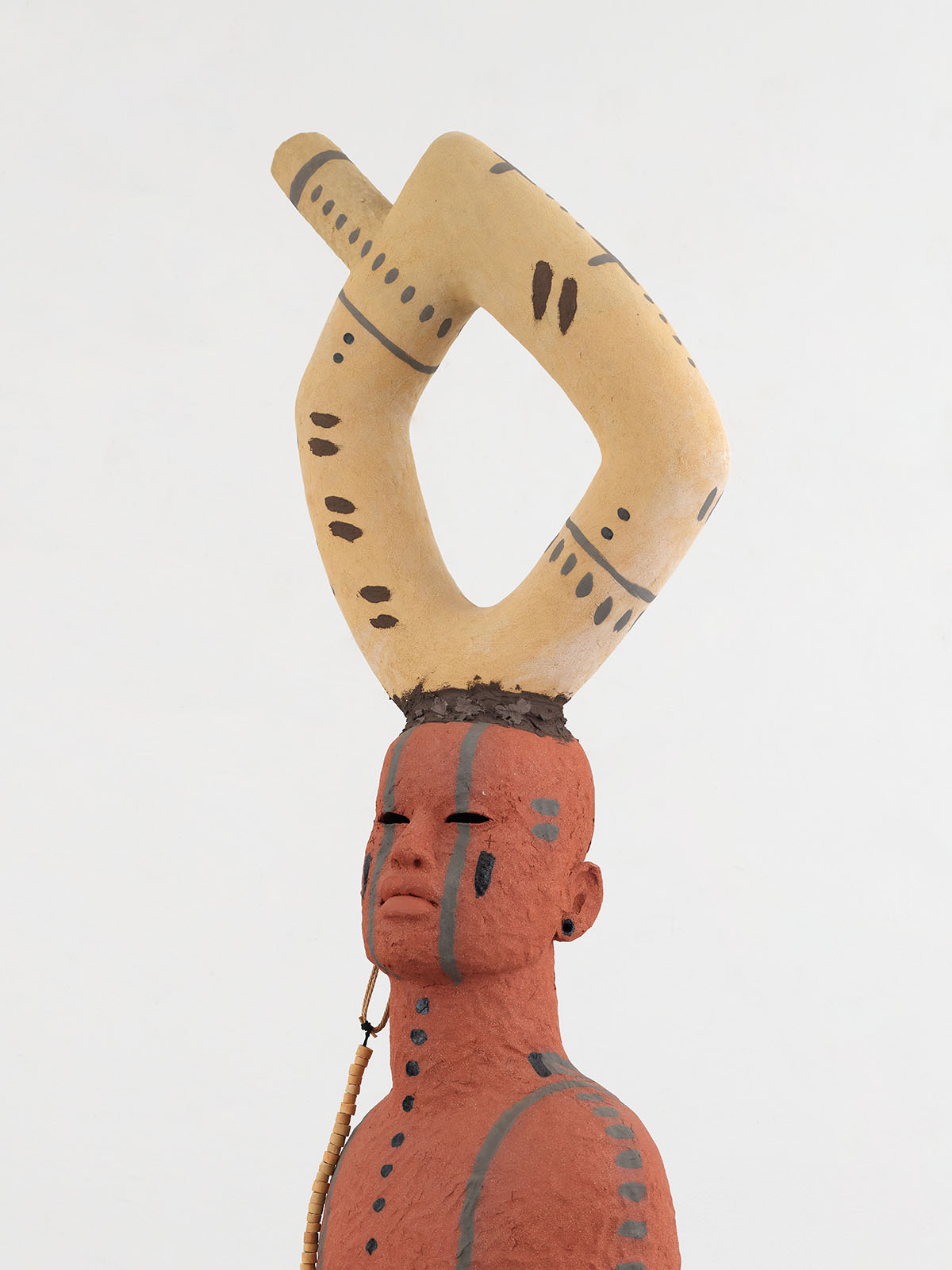
Rose B. Simpson,
Vital Organ: Gut
(2022)
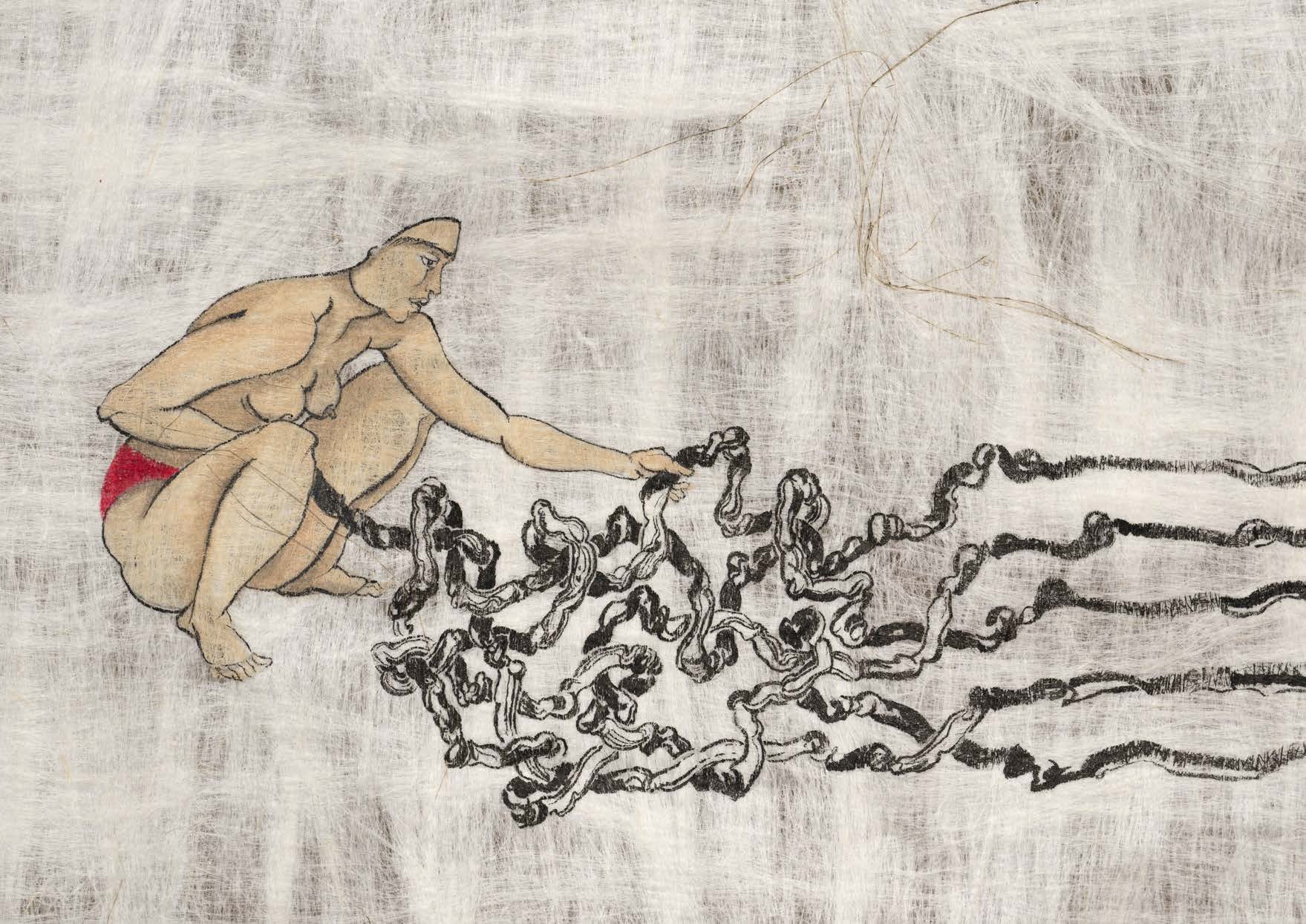
Side entanglements on Flax
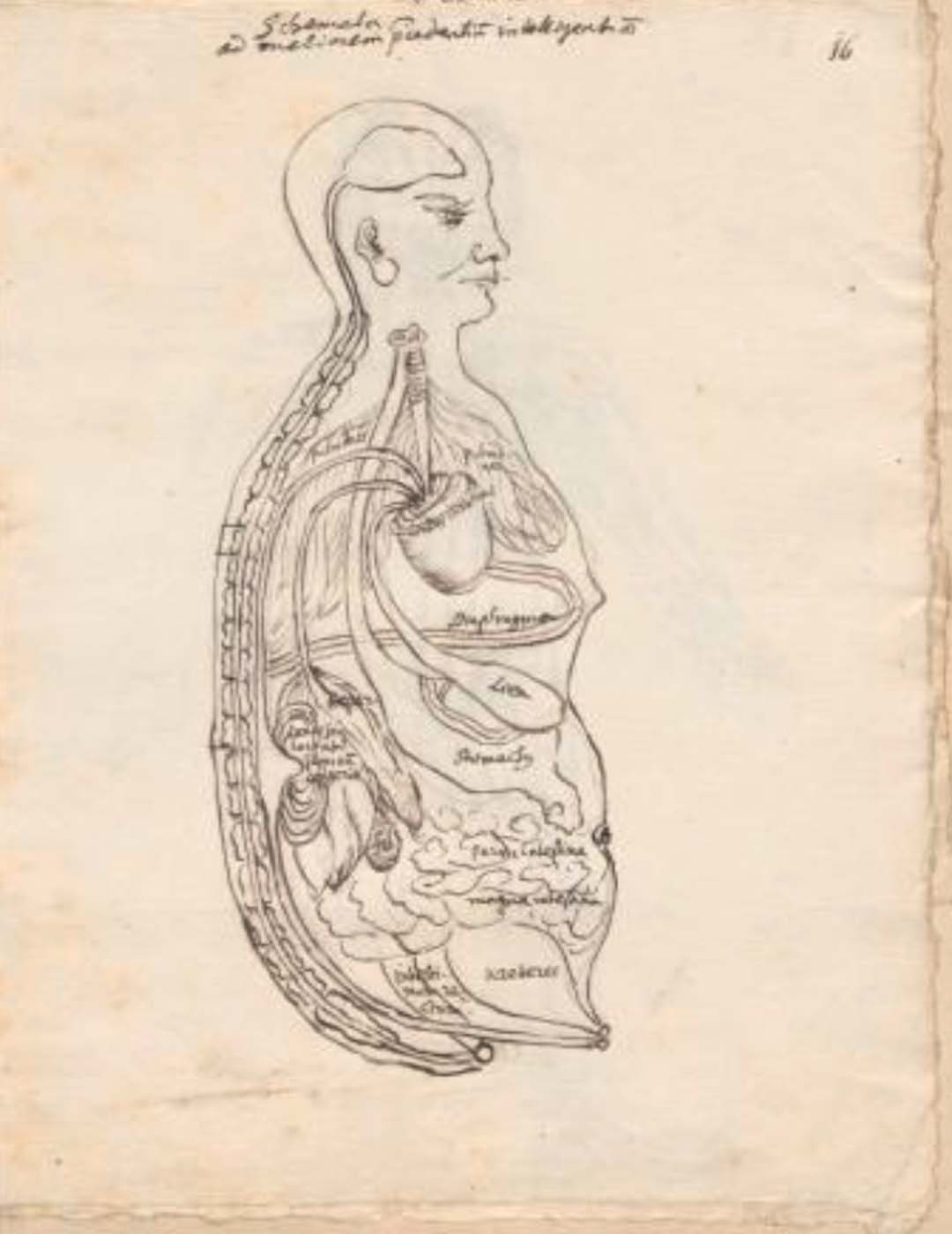
Ca. 1681 Ms sin. 11, part 3 by Christian Mentzel
Stomach Infrastructure
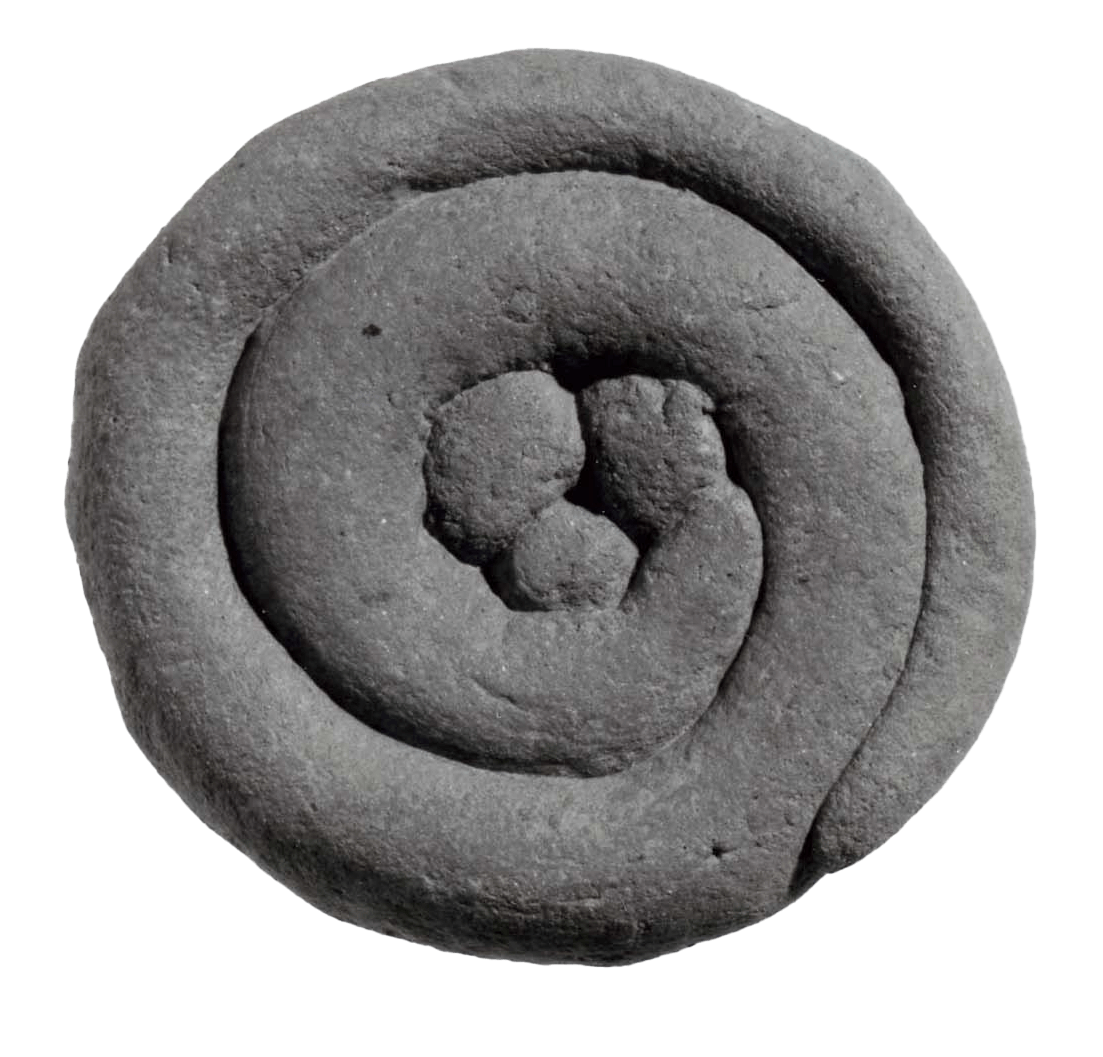
Terracotta anatomical votive; spiral coil ending in trefoil
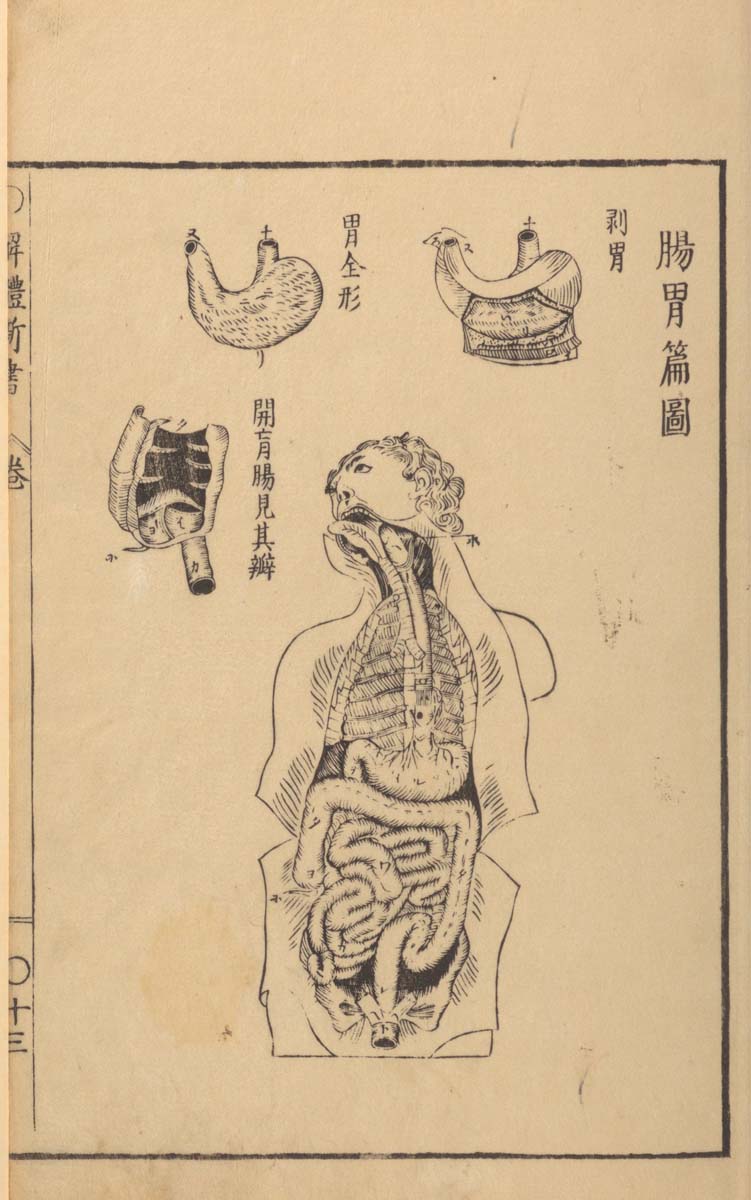
Sugita Gempaku’s Kaitai shinsho
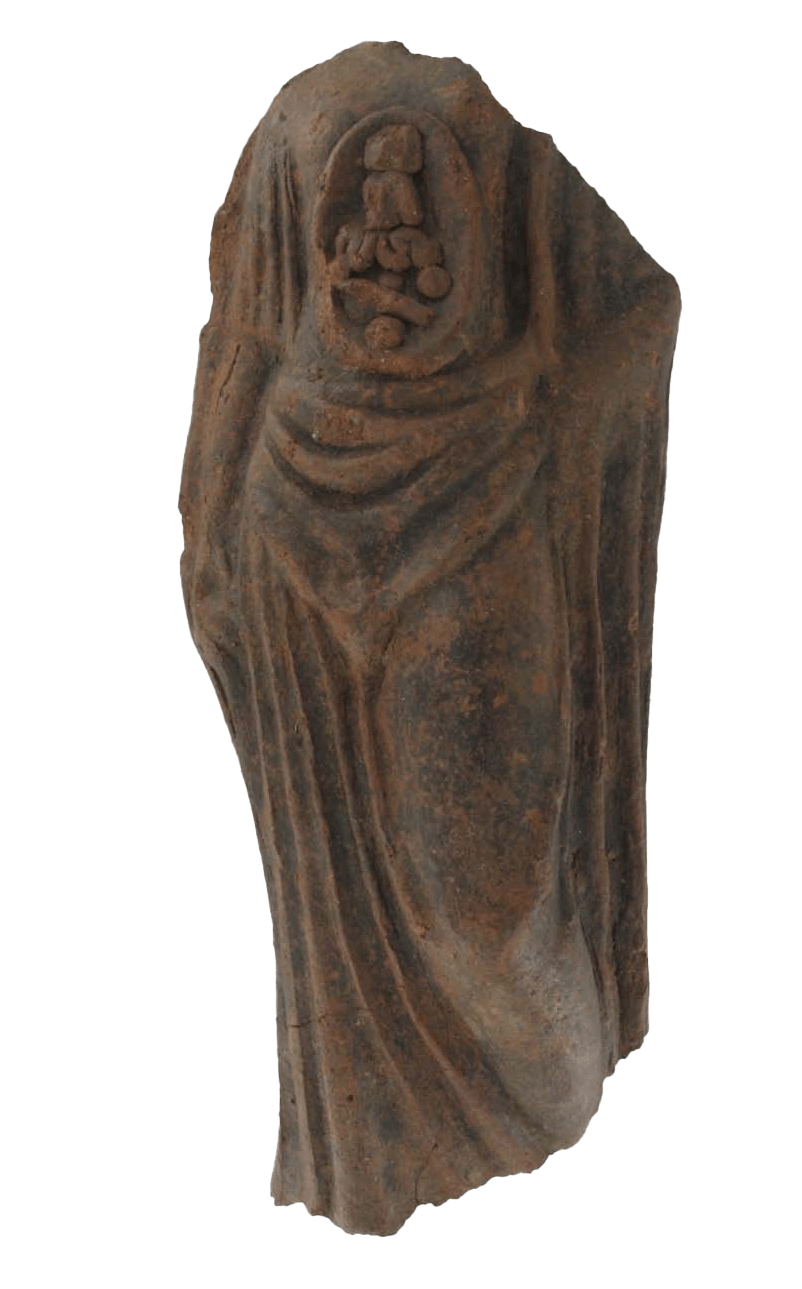
Terracotta anatomical votive
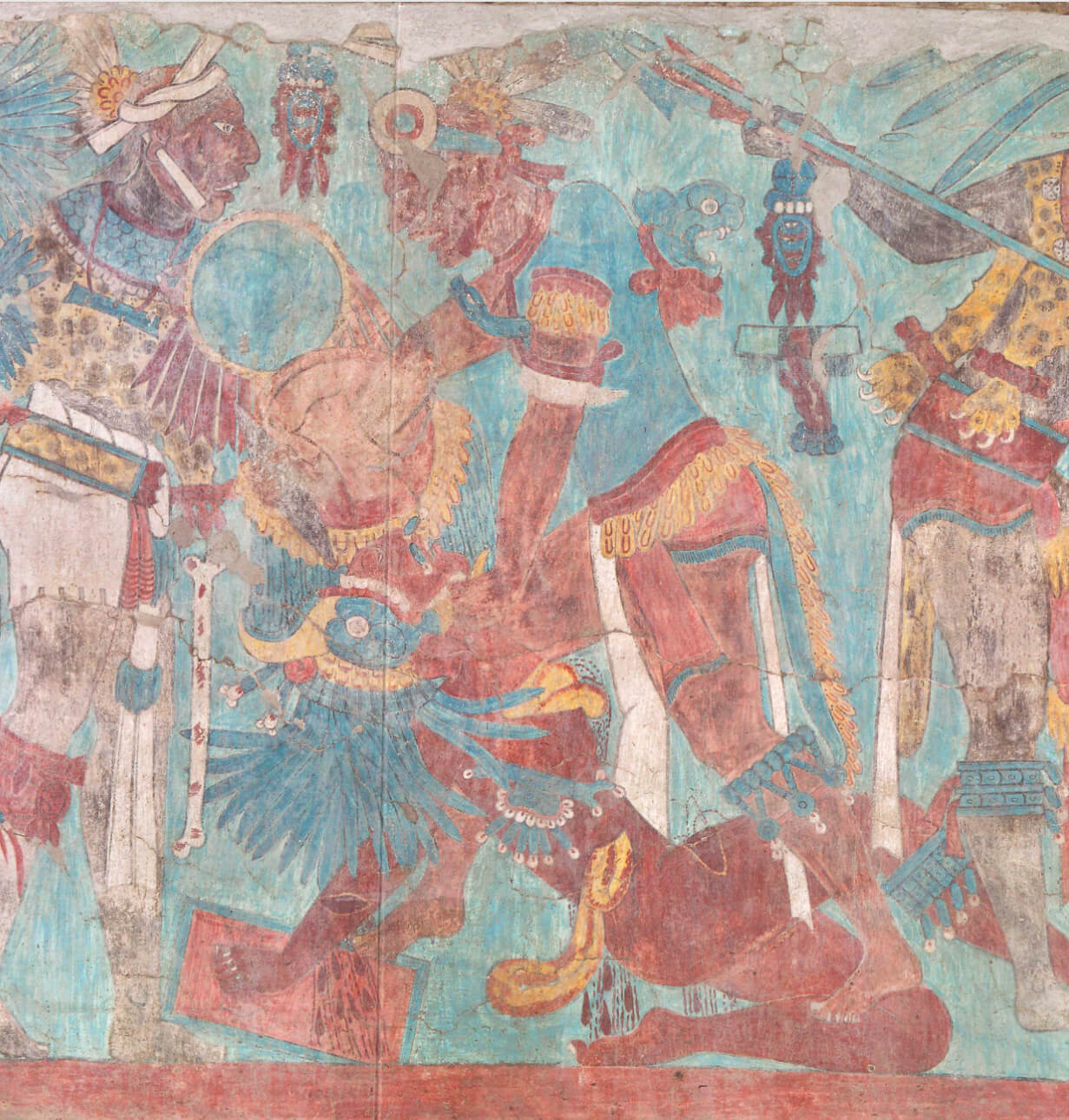
Battle scene at Cacaxtla
Anicka Yi,
Le Pain Symbiotique
(2014)
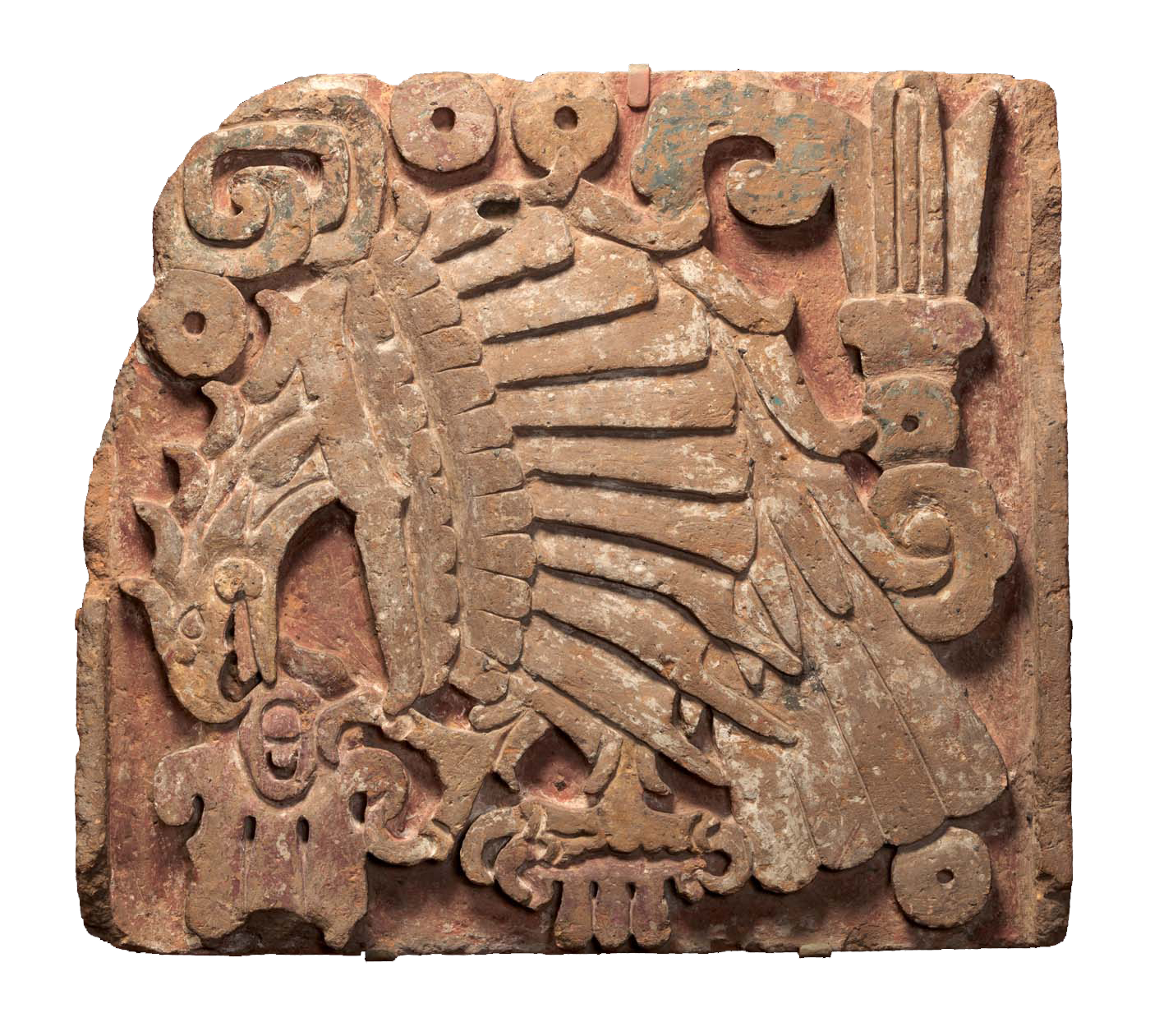
Depiction of an eagle devouring a human heart at the site of Tula
The Dissected Horse
The Buddha’s Guts
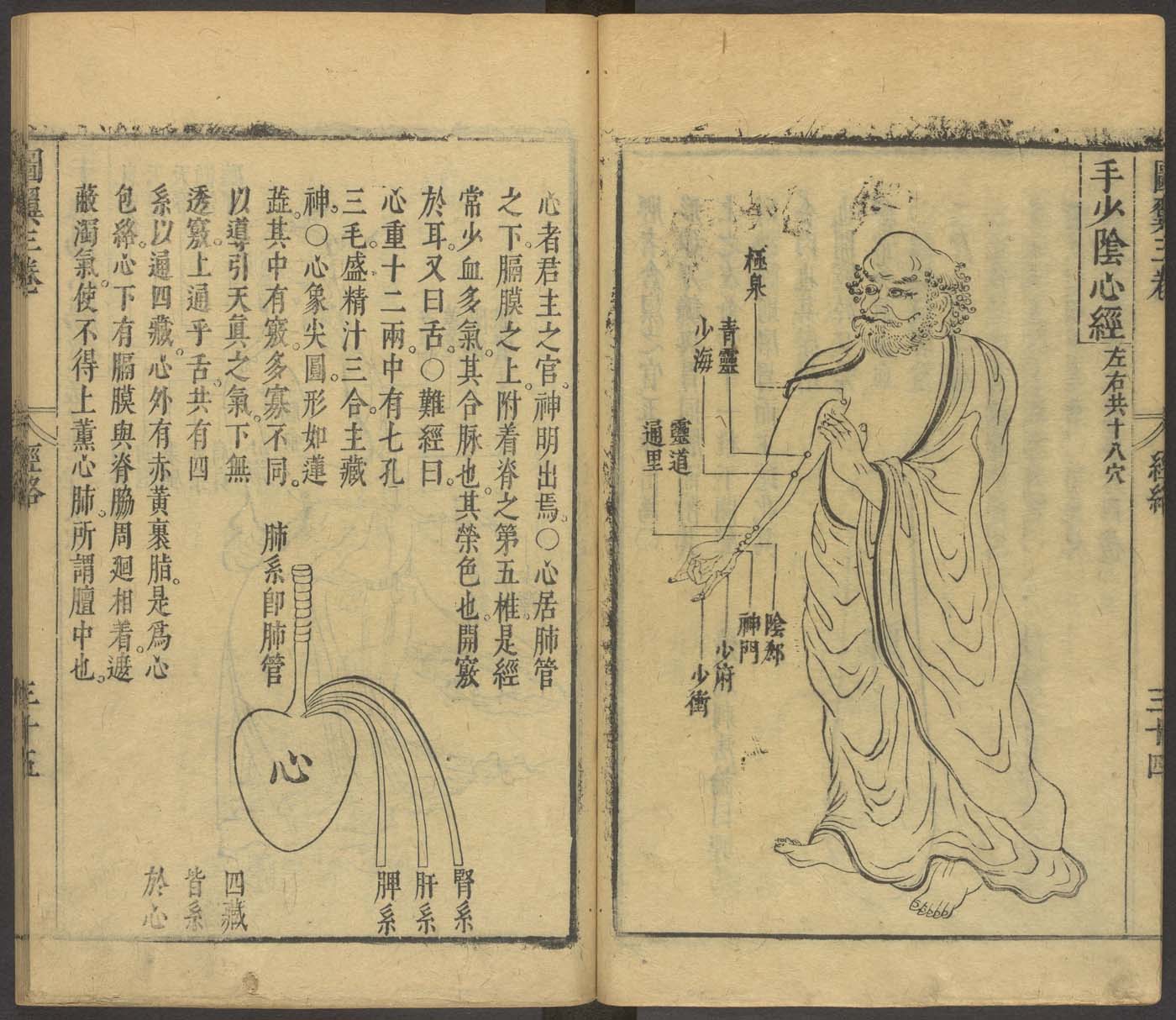
The hand lesser yin heart channel
Brain Frog
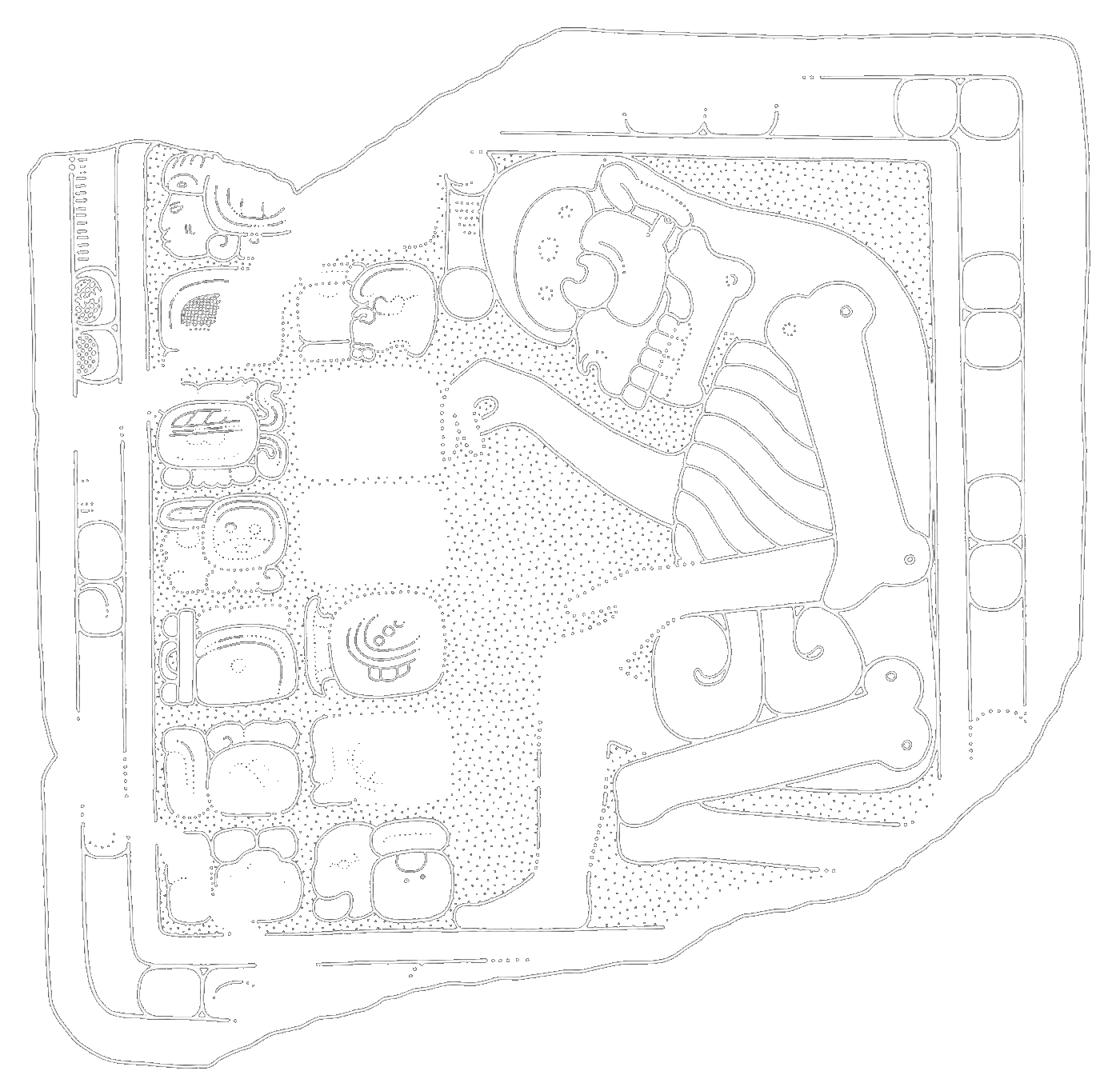
Late Classic altar at the site of Xunantunich
Early Zapotec stone relief of a sacrificial victim with a disembowelled abdomen
1682 Specimen Medicinae Sinicae, unknown artist
Major connecting blood vasculature of the body including gut with related vulnerable points
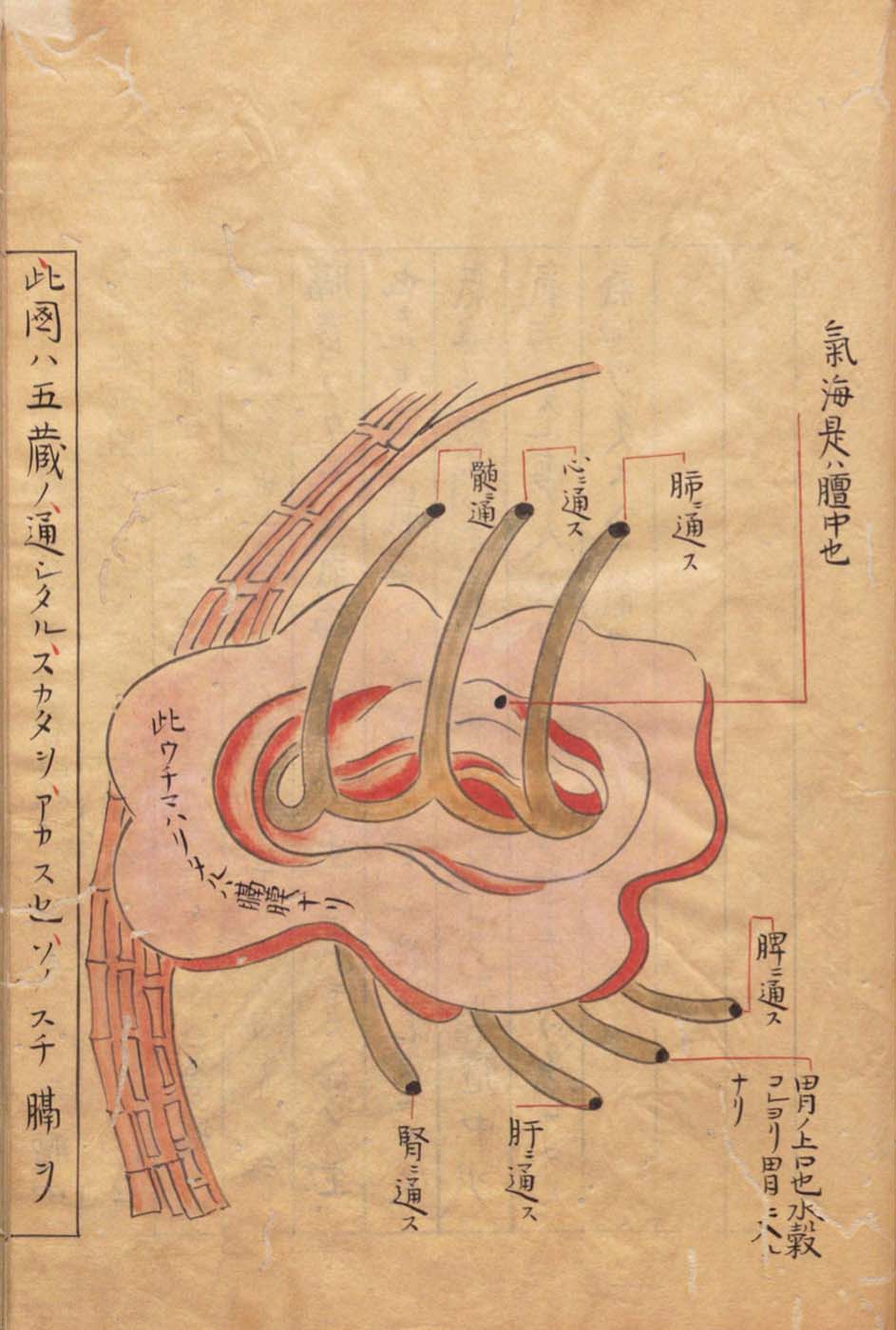
The sea of
qi
and the diaphragm
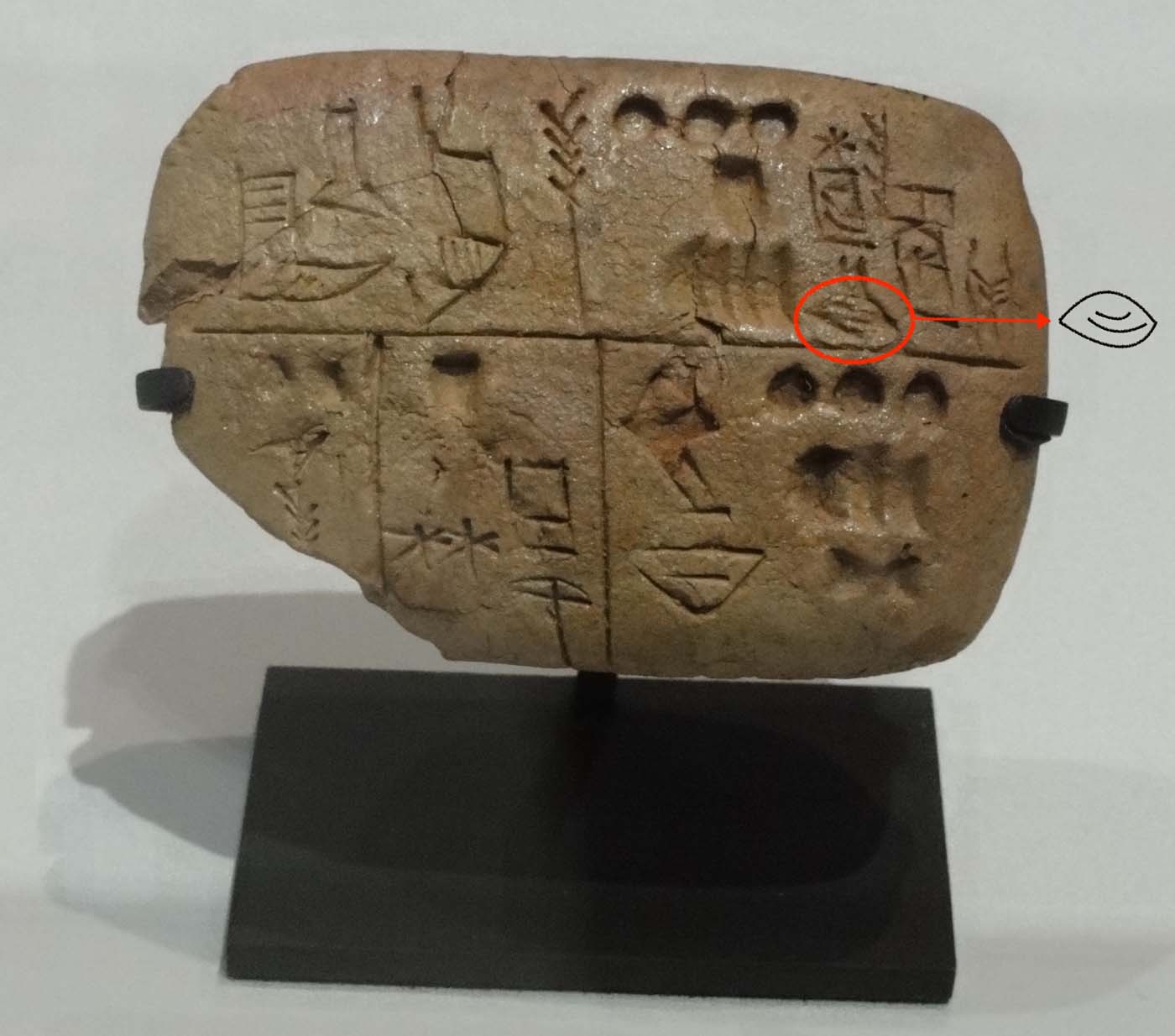
ŠÀ, libbu
A female ‘open torso’ figurine
Indian anatomical painting
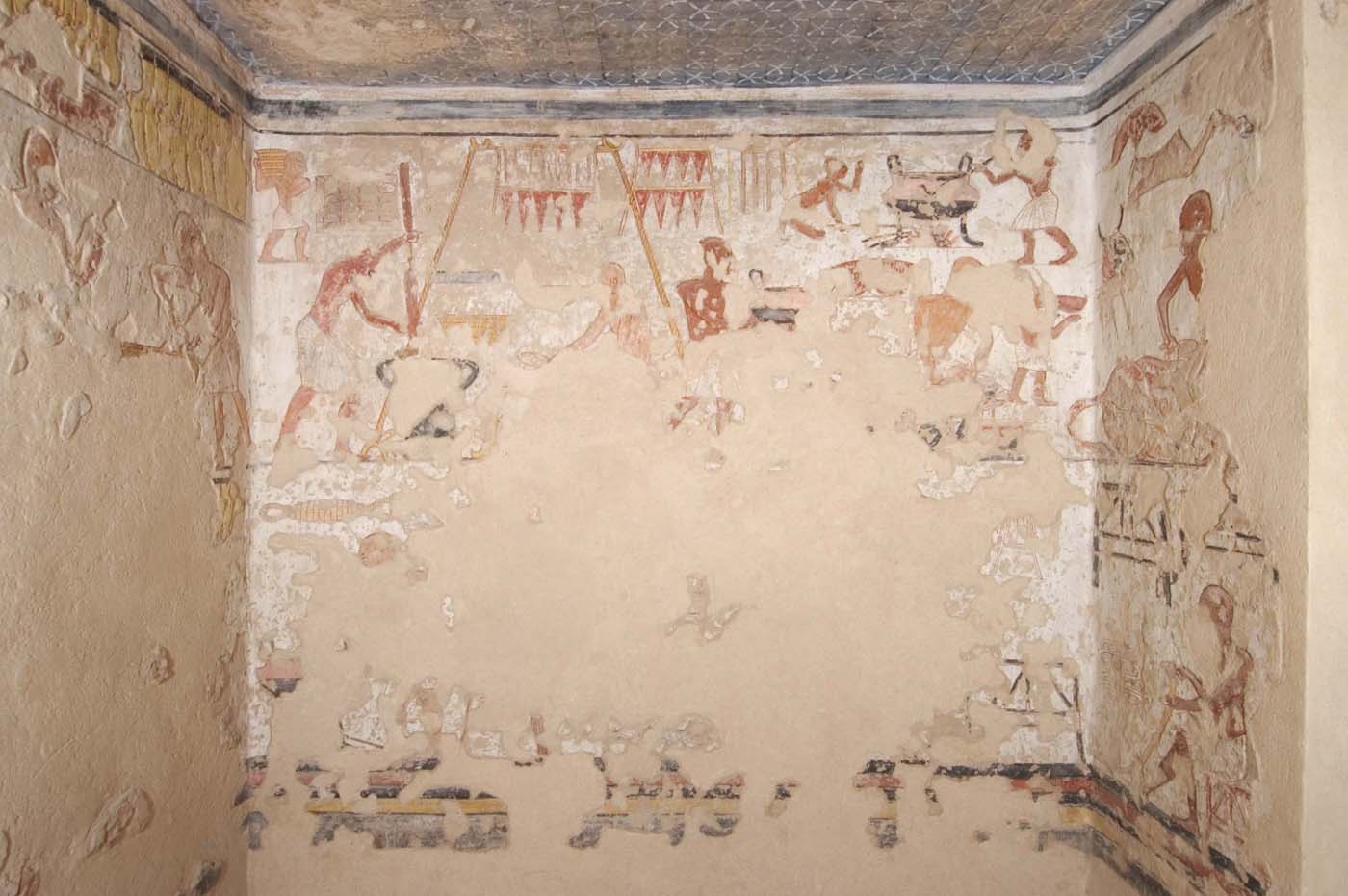
Wall scene from tomb of King Ramesses III
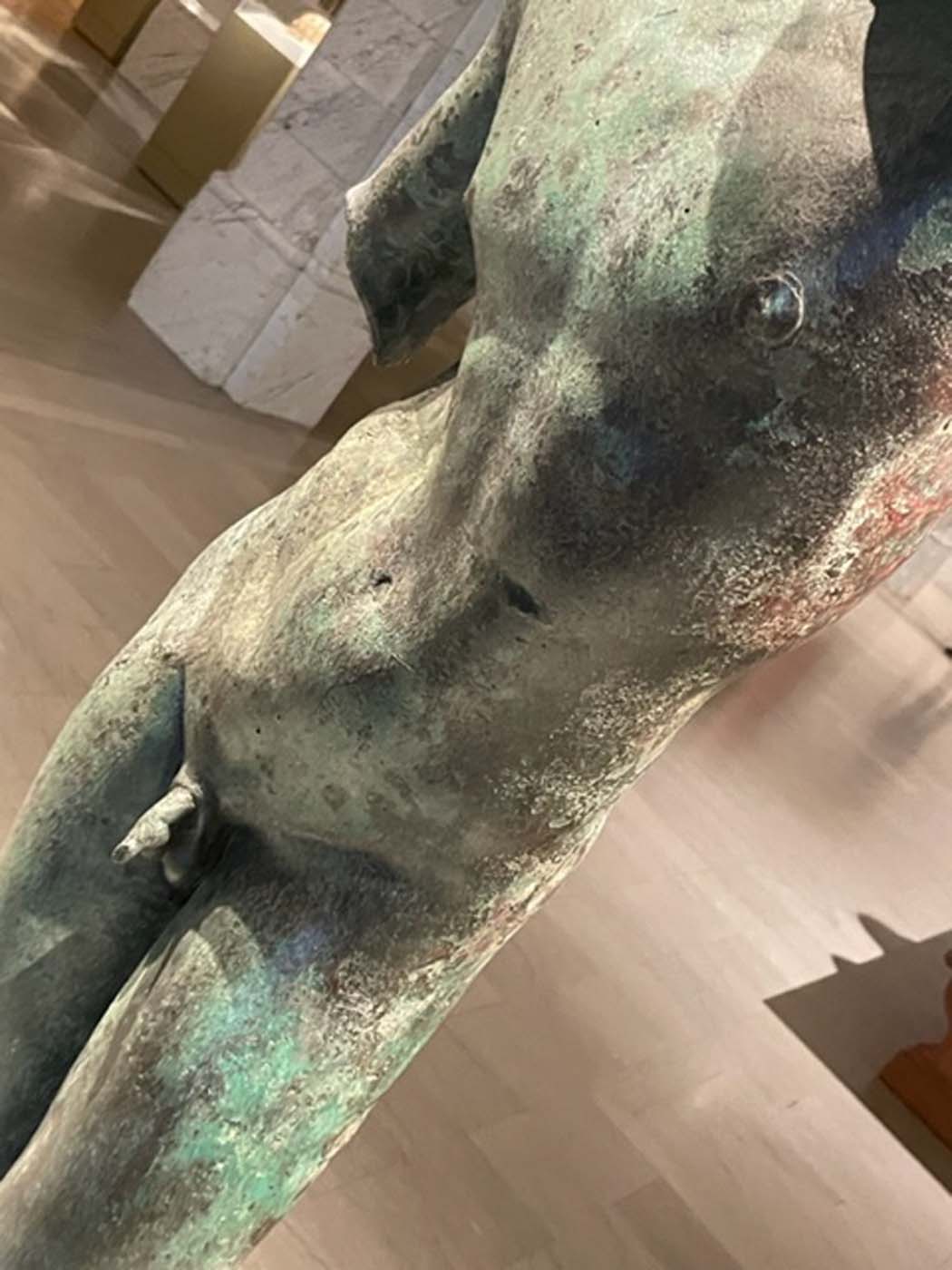
Apollo the Python-Slayer or Cleveland Apollo
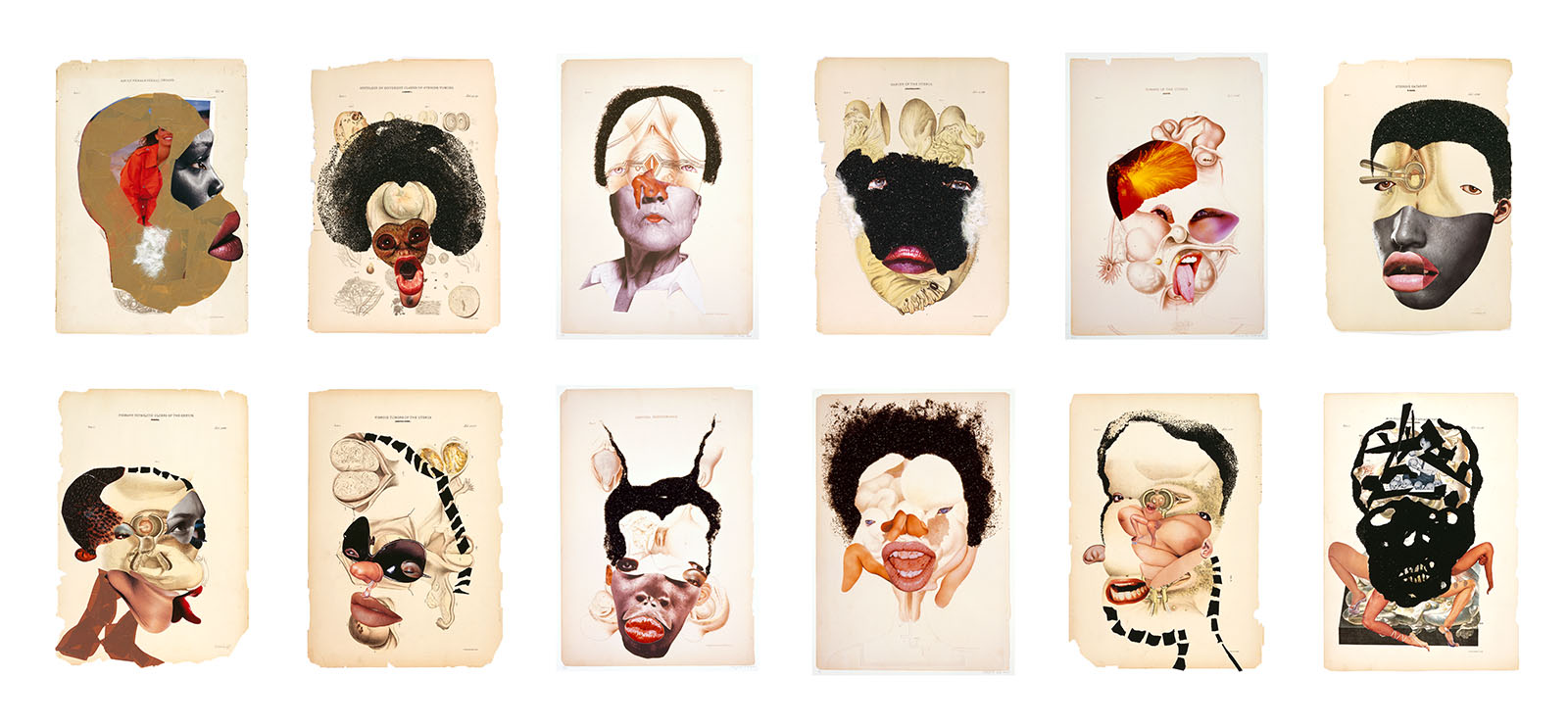
Wangechi Mutu,
Histology of the Different Classes of Uterine Tumors (12 works)
(2004–05)
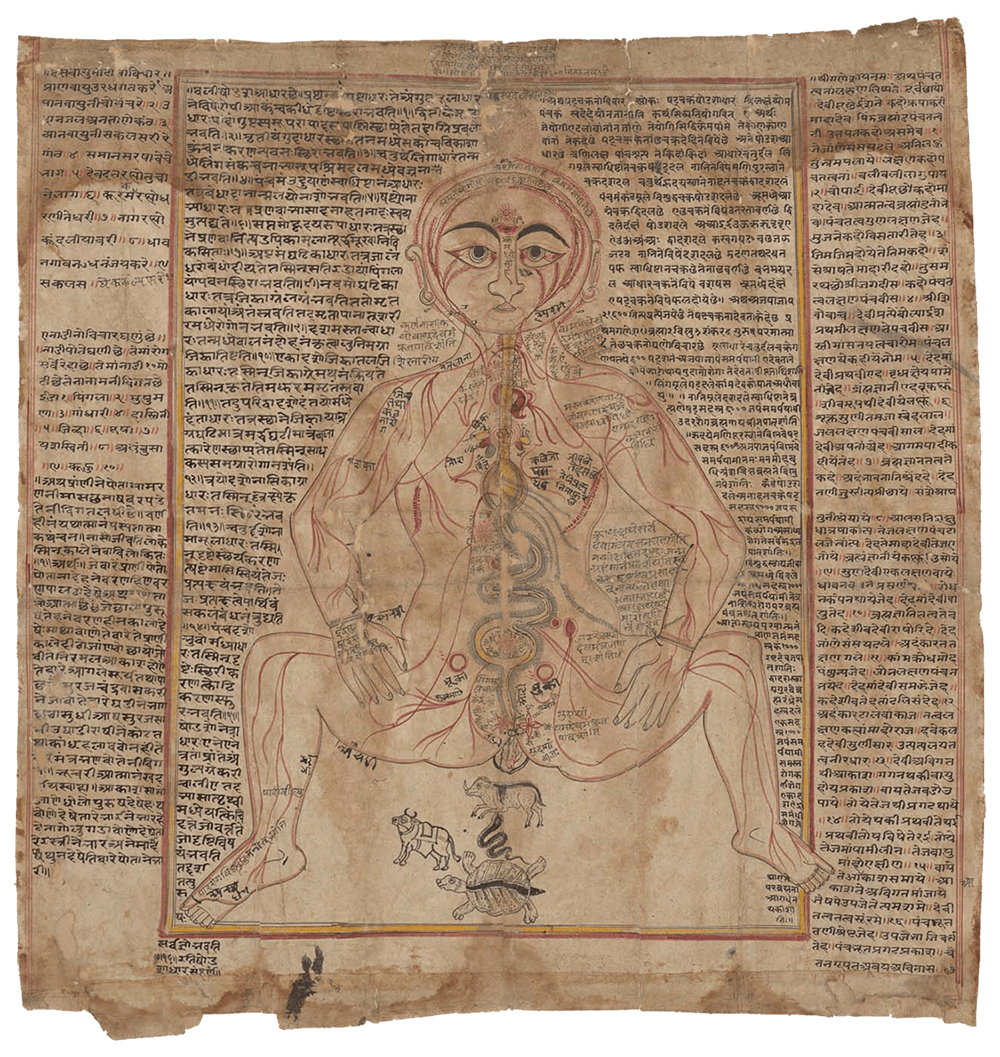
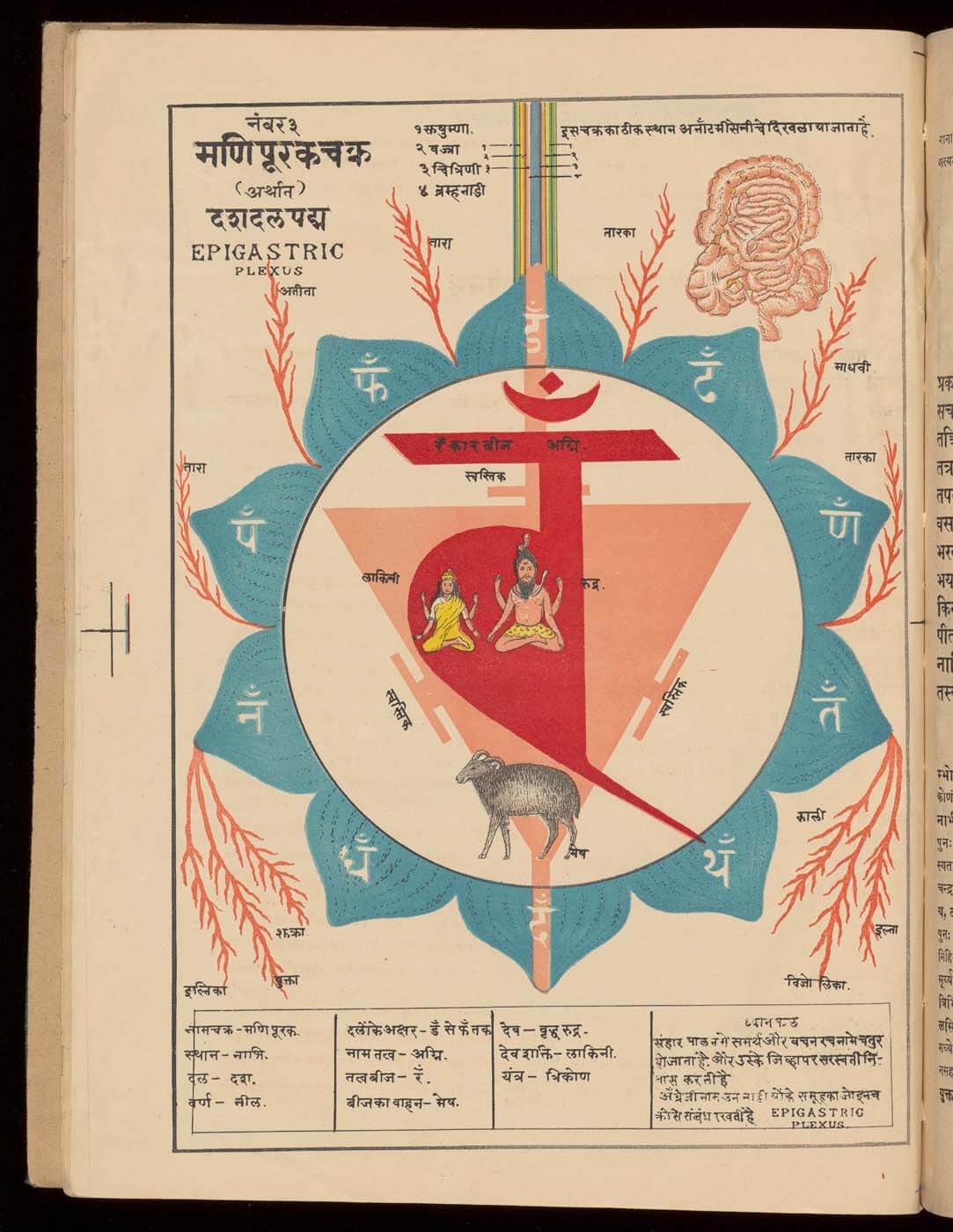
The Navel Cakra (maṇipūraka) with Intestines
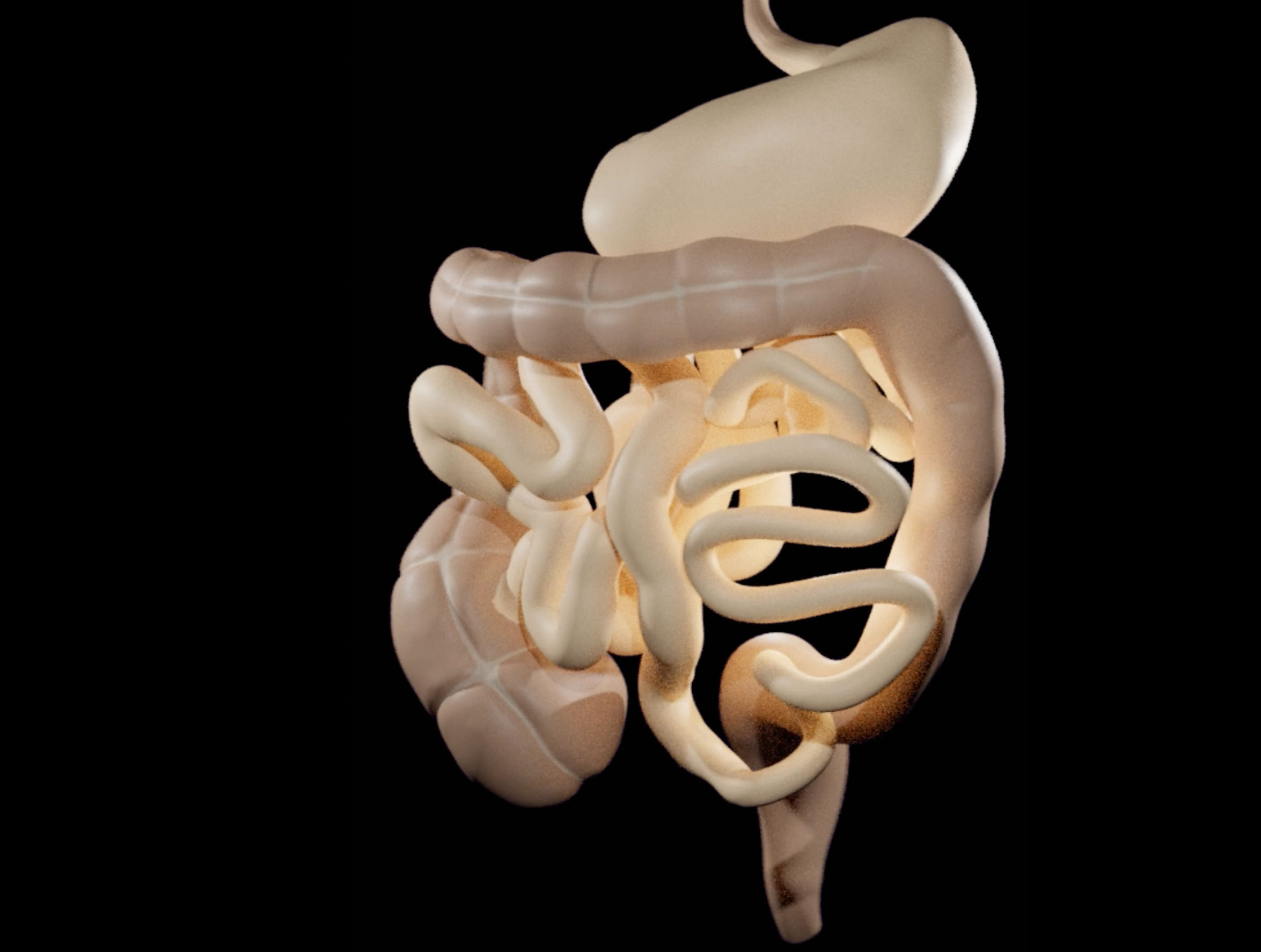
The 3D Model of the Digestive System according to Aristotle
Hieroglyph from the obelisk of Thutmose III
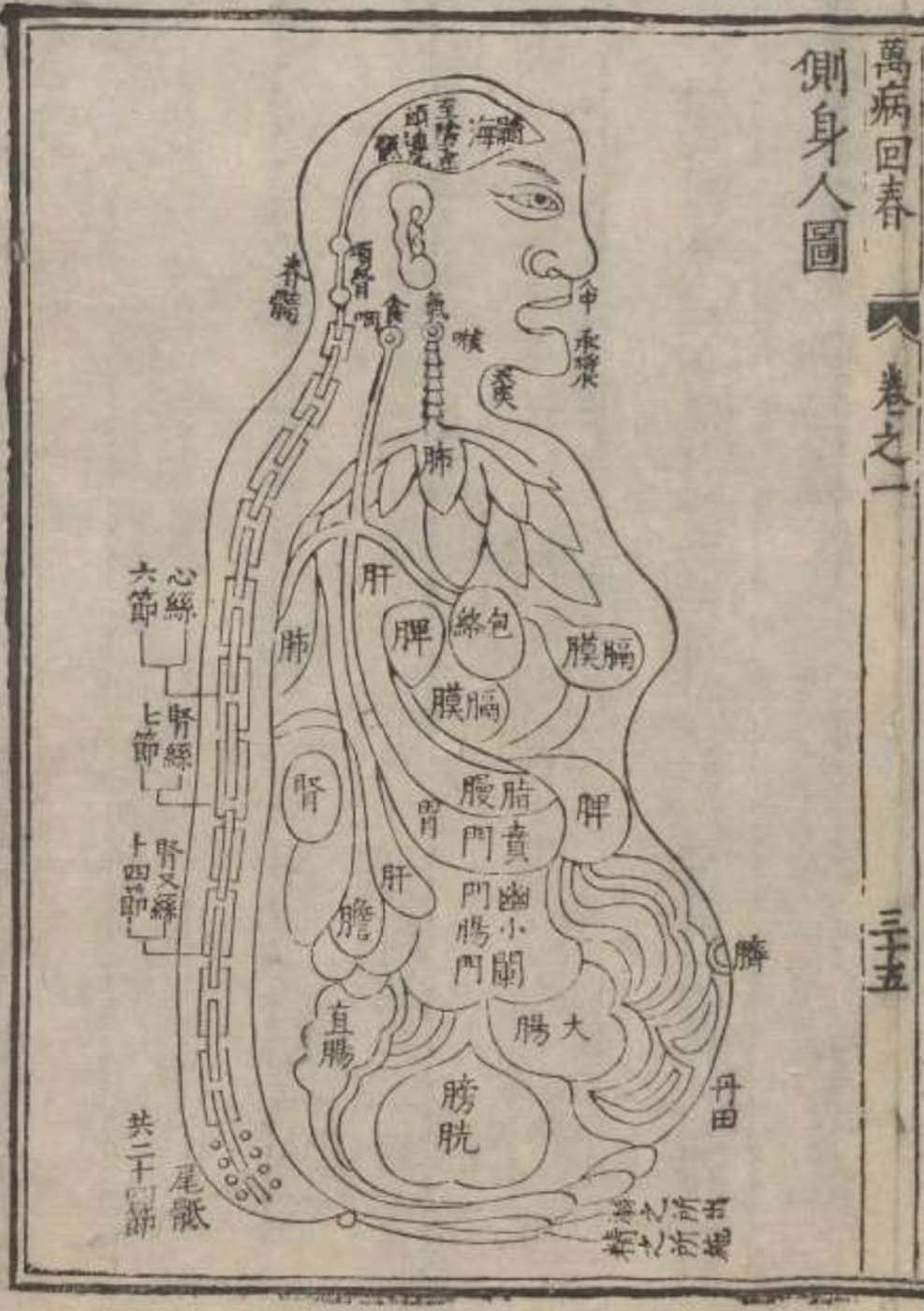
1597 reprint of Wanbing huichun “Diagram of Man’s Side-Body”
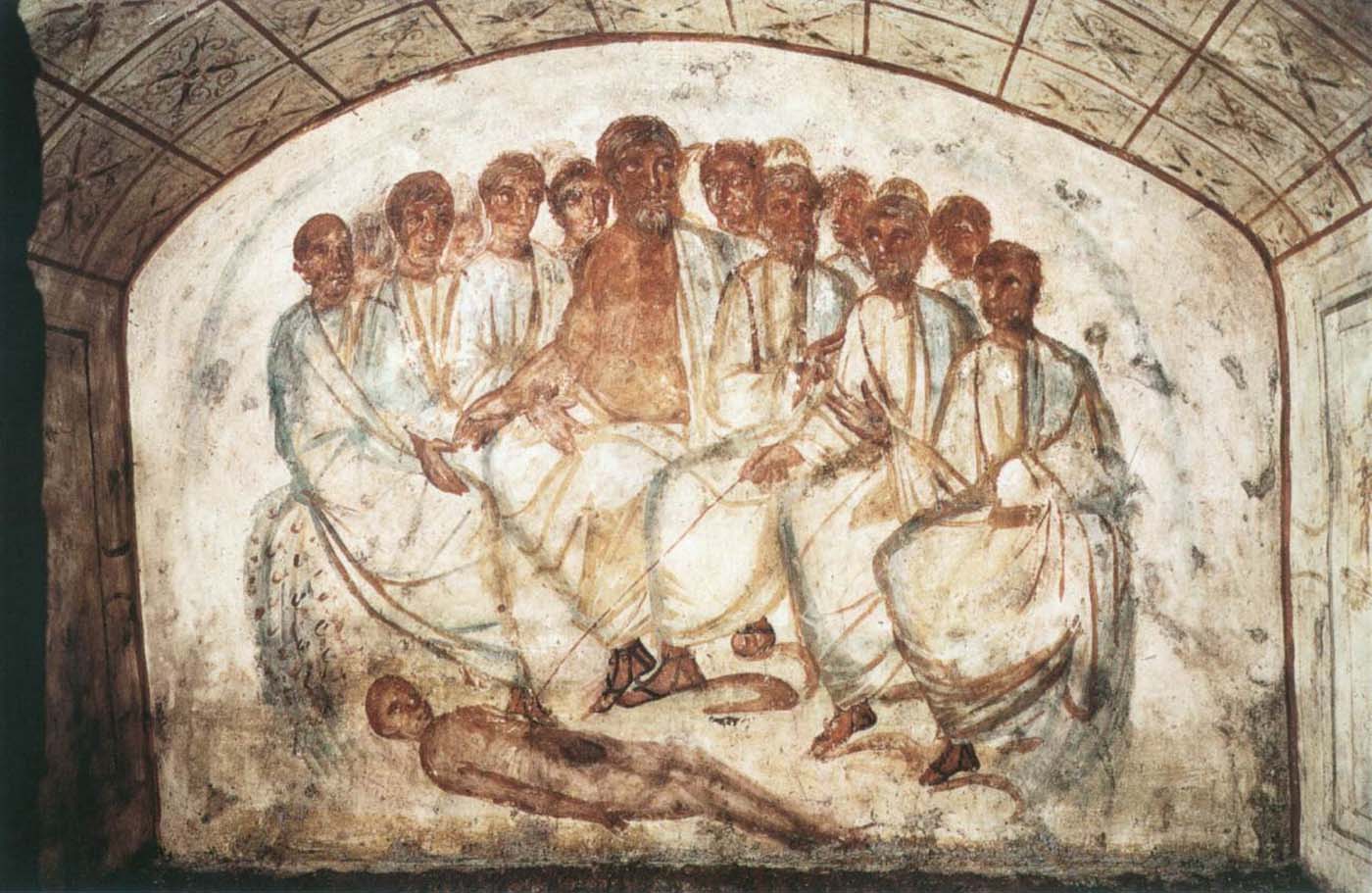
A fresco, Catacomba di Via Dino Compagni
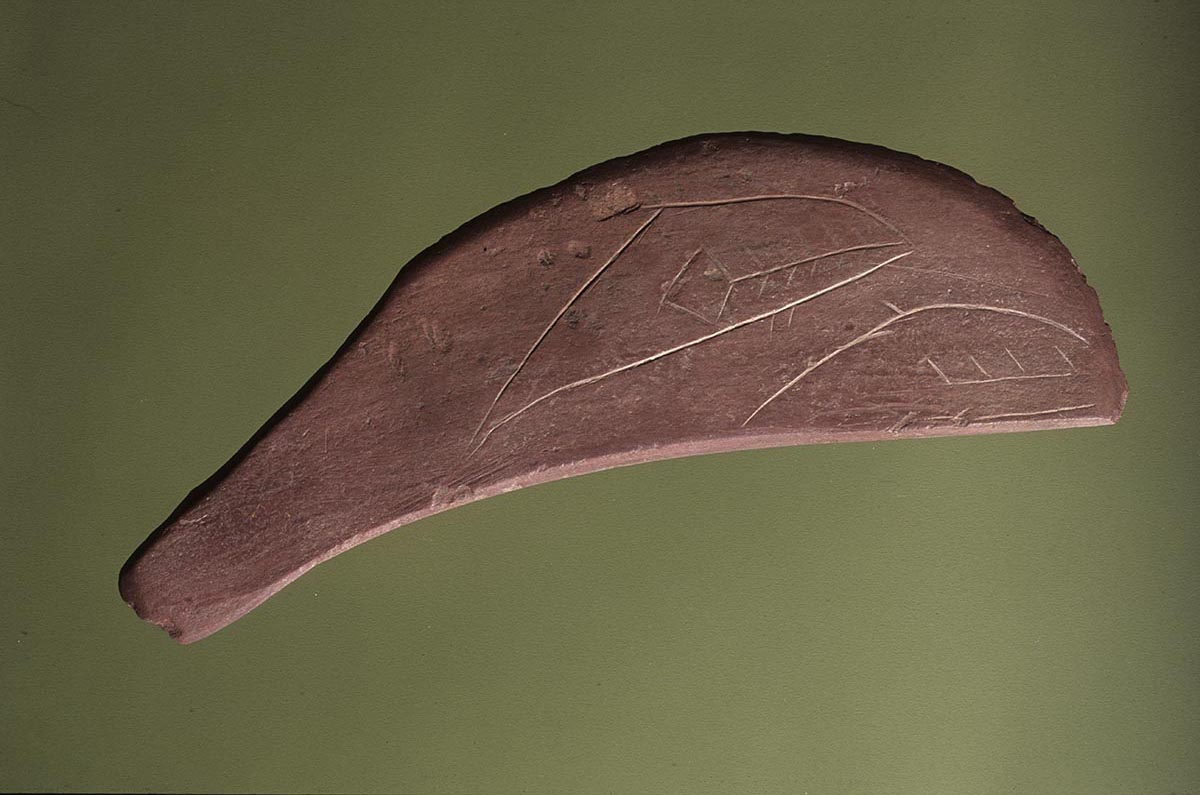
Slate knife with two porpoises engraved
The Screen gate
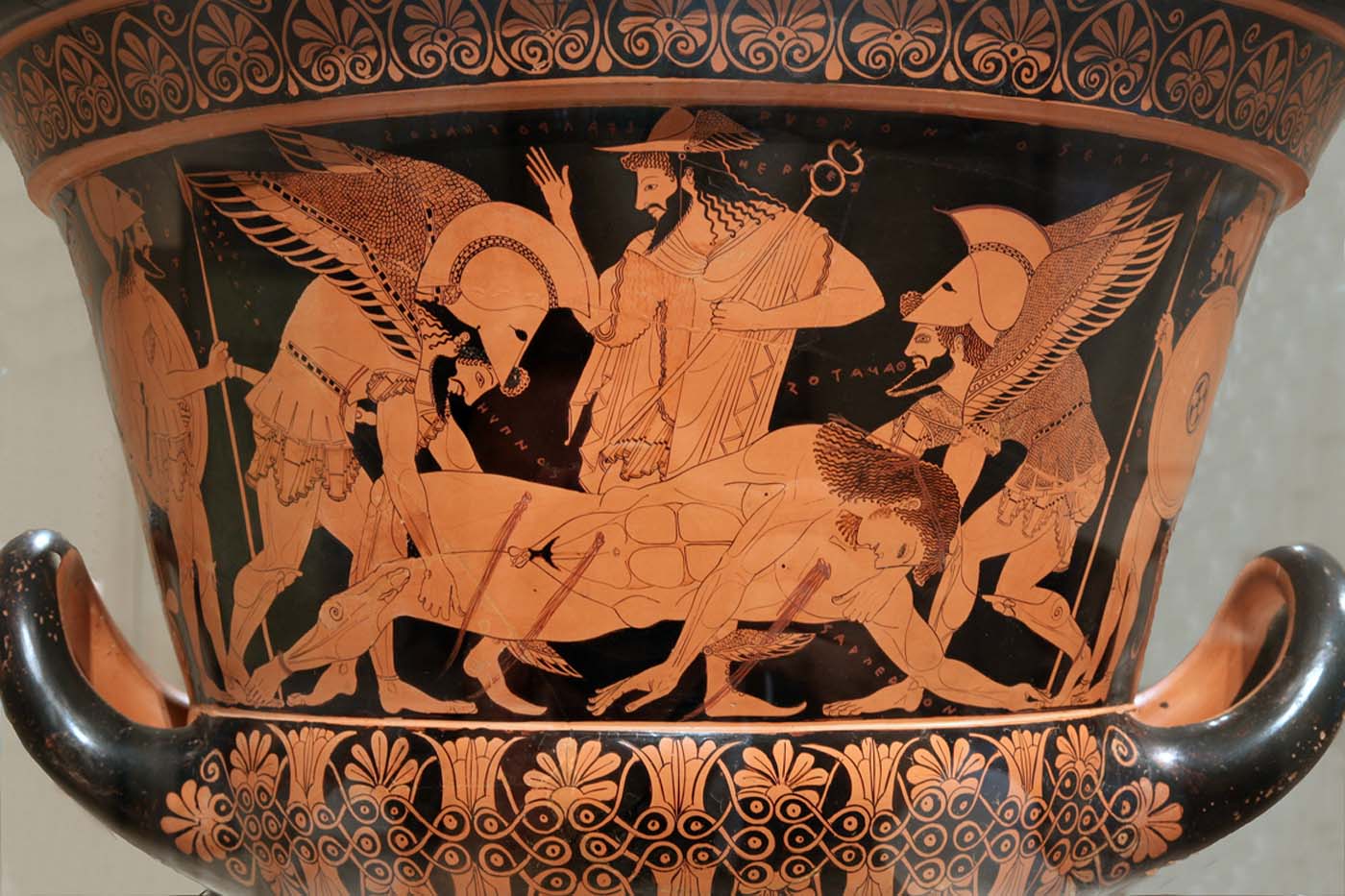
Athenian red-figure krater signed by Euphronios
Martha Friedman, 29
Untitled
(2018)
Published in 1597 reprint of a 1565 Yixue gangmu, preserved in Ms sin. 11, part 1, “Enlightened-Hall Diagram of the Viscera”
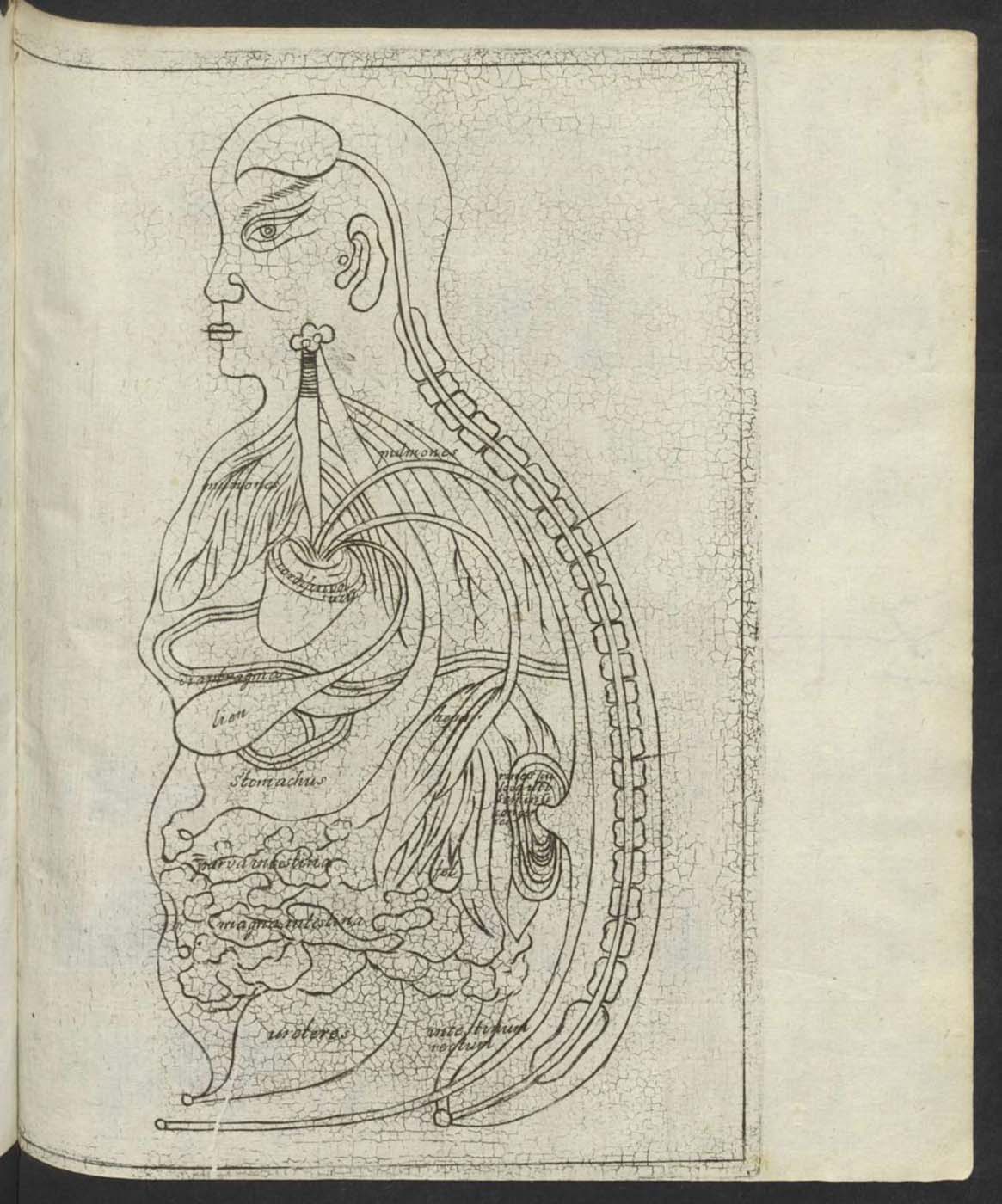
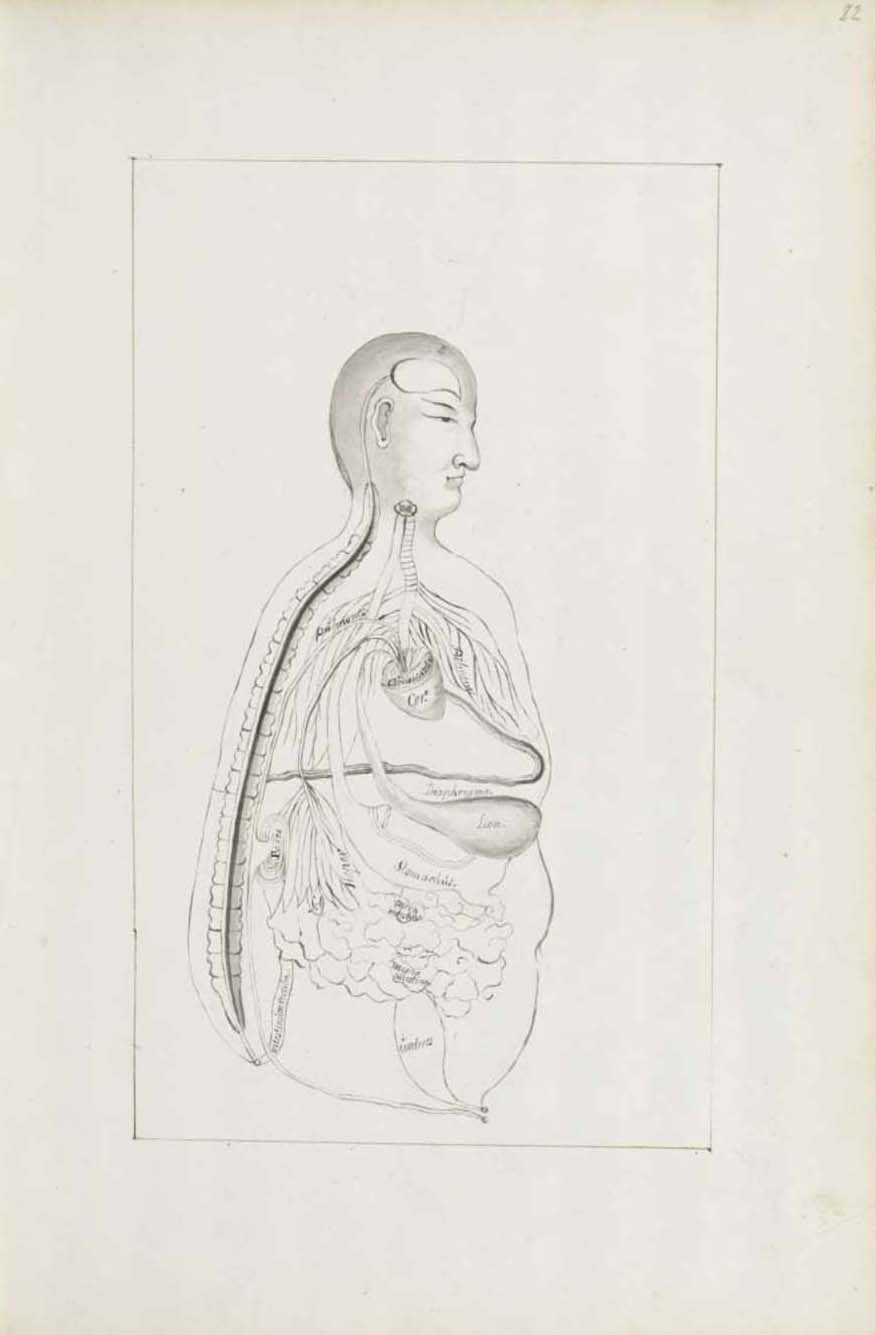
Ca. 1660s-1681c. Lat. Fol. 95, unknown artist
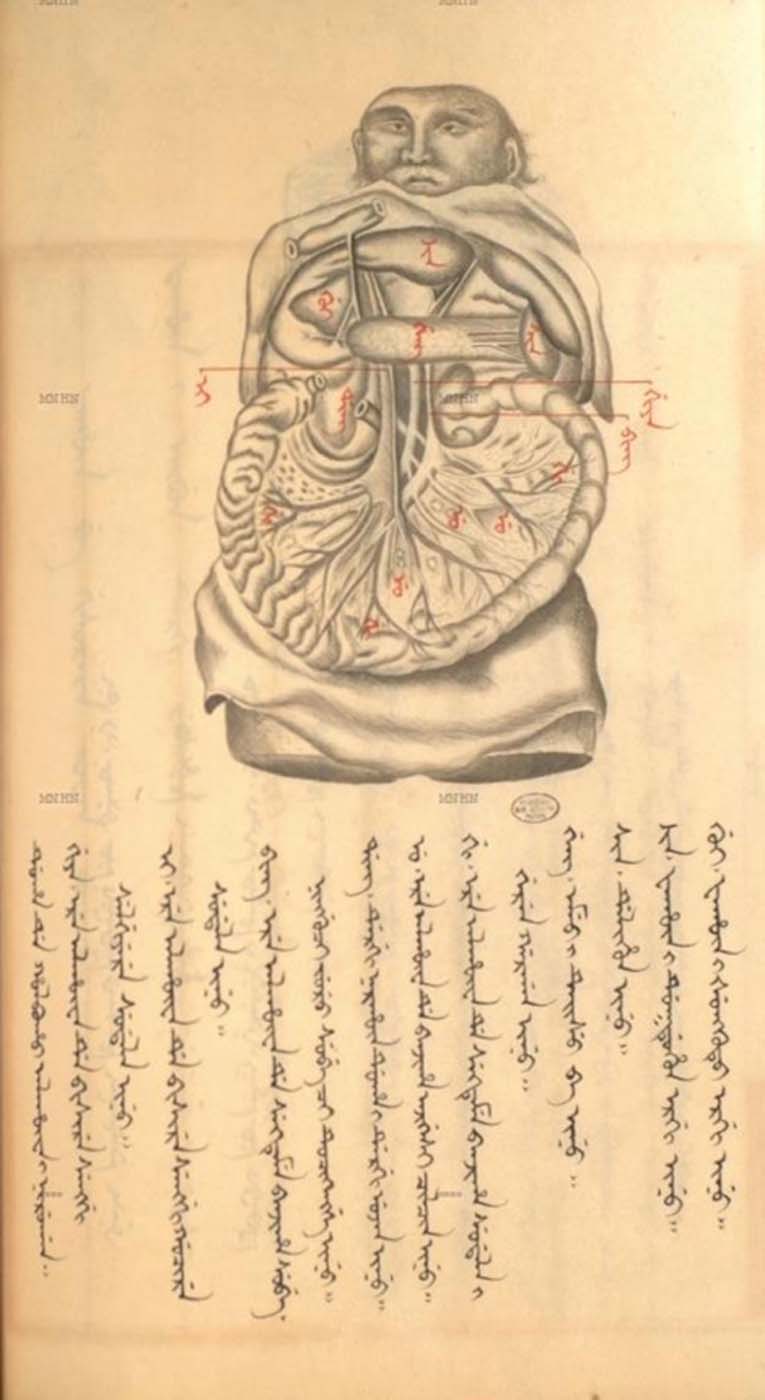
Manchu face, Universal body
Load More
Viscera
Area
Histories
Image Descriptions
About