Skip to content
Comparative Guts
Comparative
Guts
Search
Search
Close this search box.
Menu
Wholes
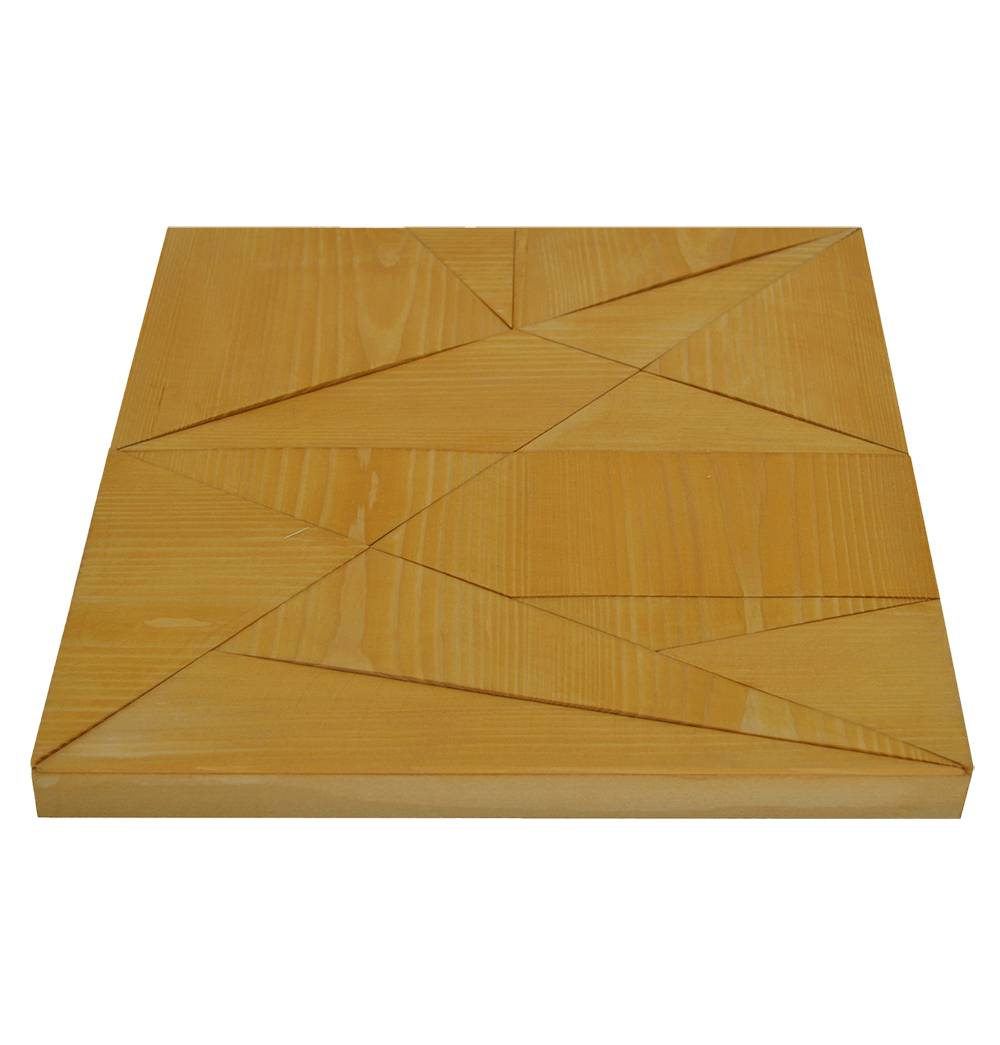
Kotsanas’ wooden reproduction of the stomachion
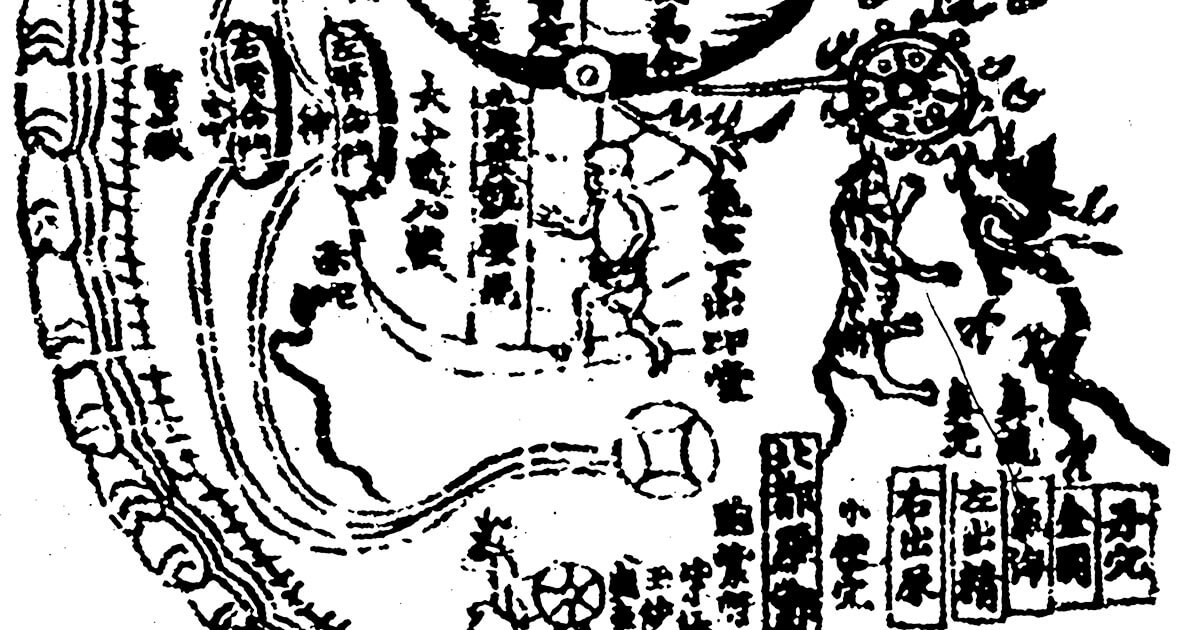
SET 2a+b Huangting dunjia yuanshen jing 黃庭遁甲緣身經 (Book of the Hidden Period and the Causal [Karma] Body of the Yellow Court) DZ 0873
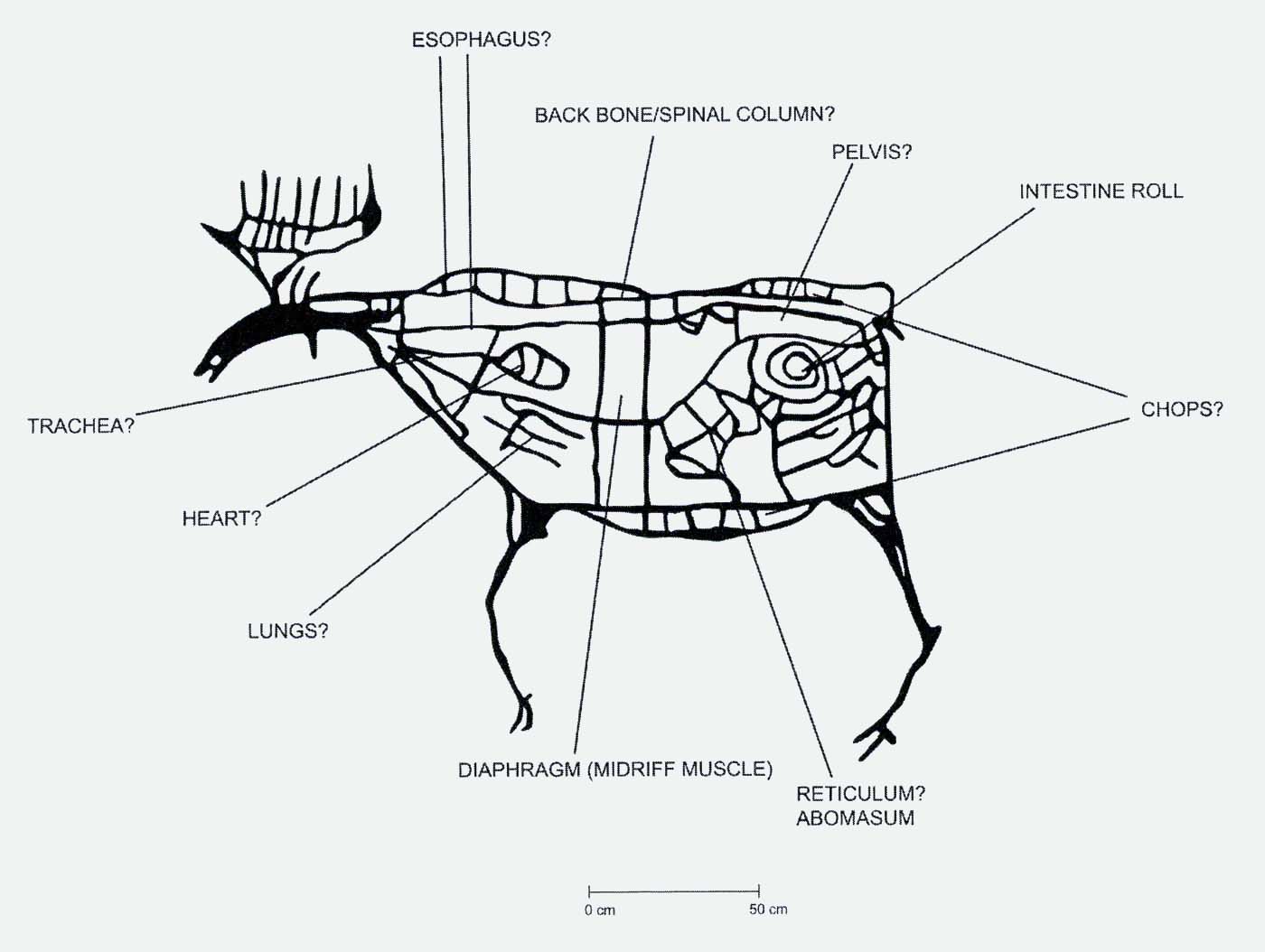
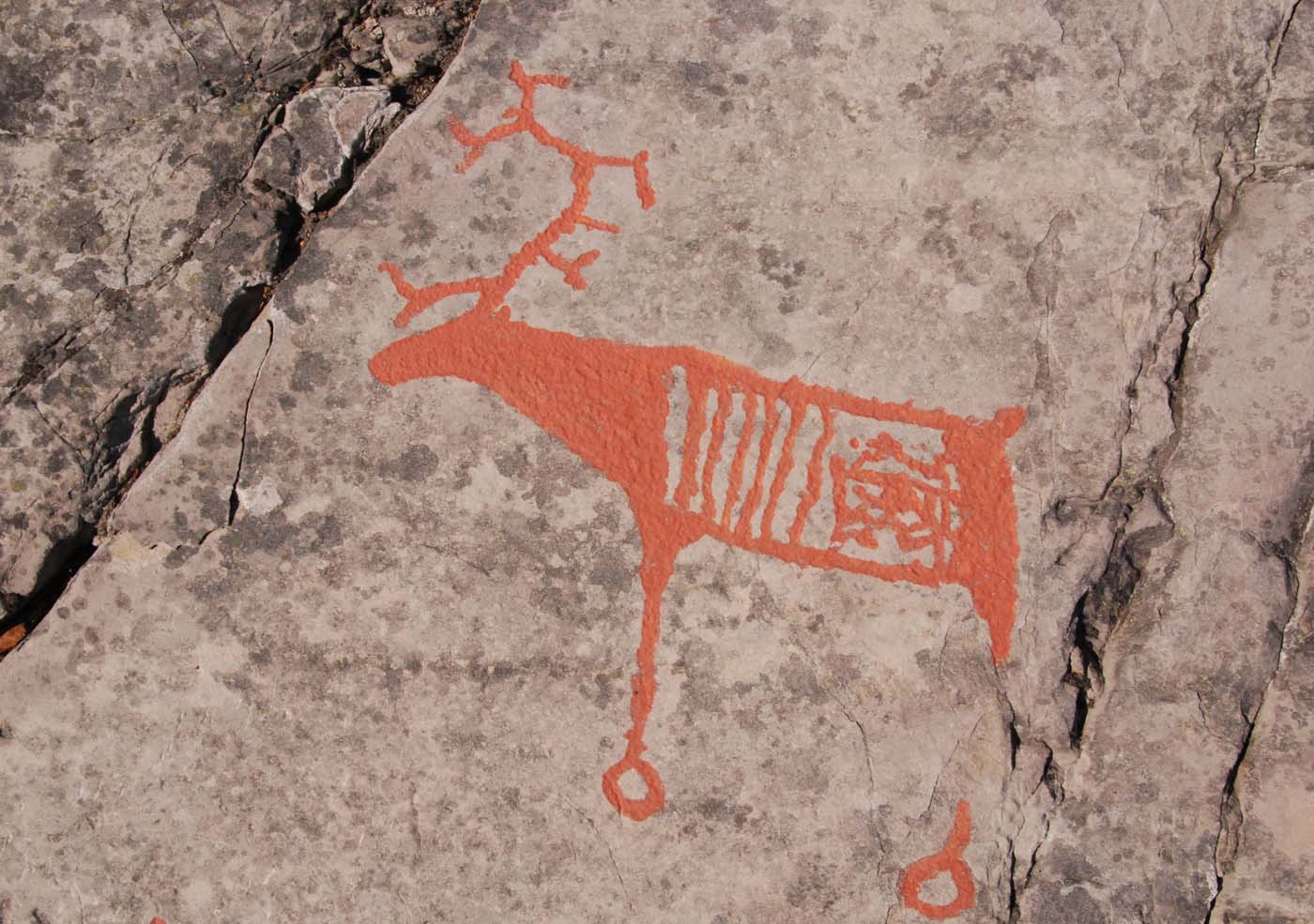
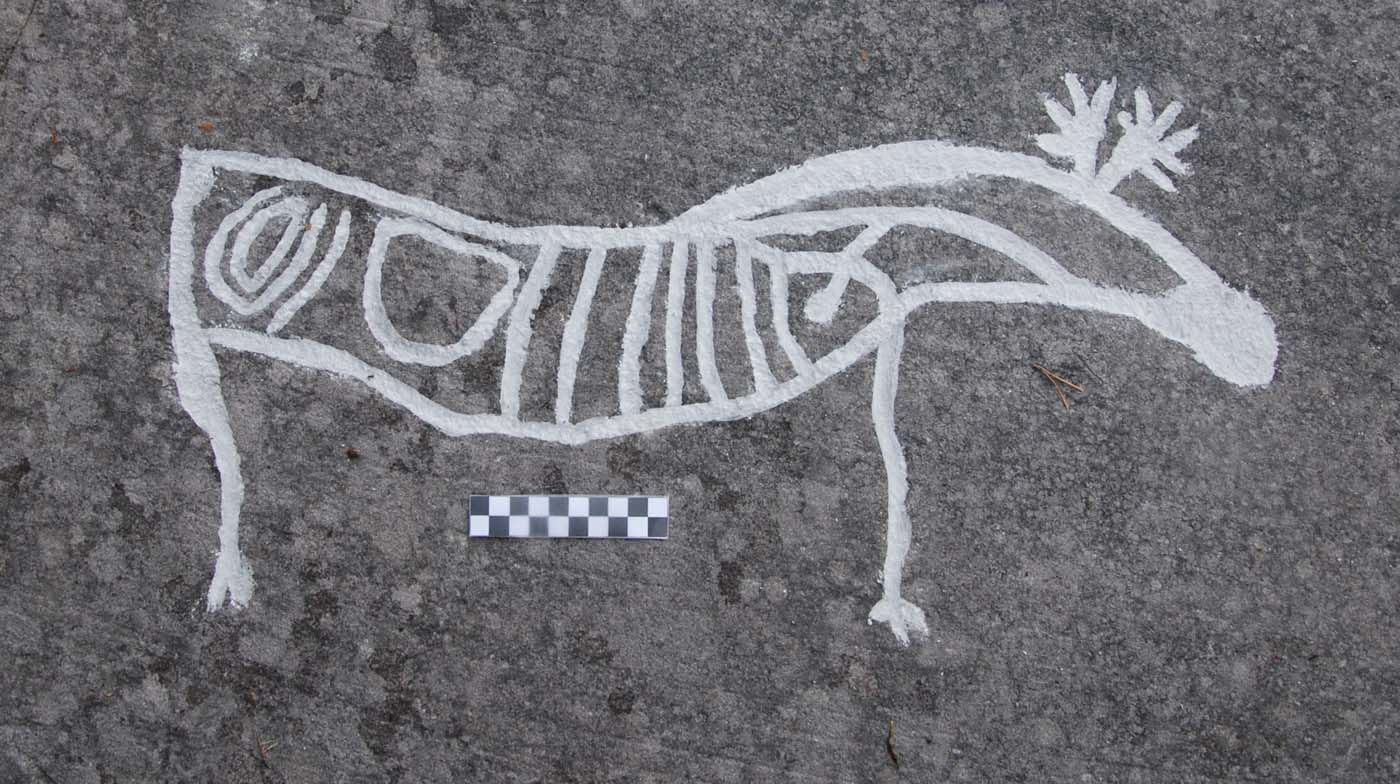
Drawing of rock carving of an elk with numerous anatomical parts depicted
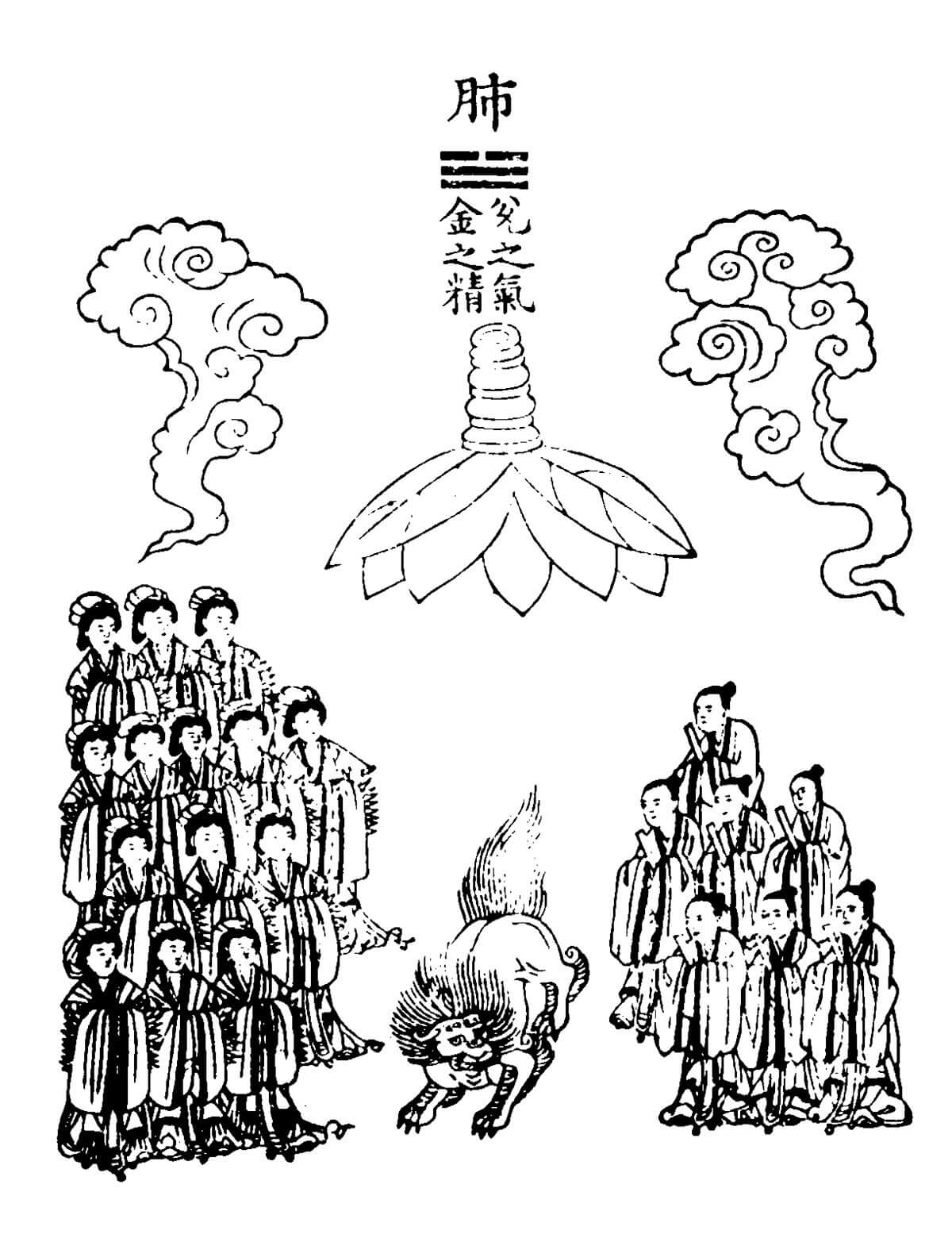
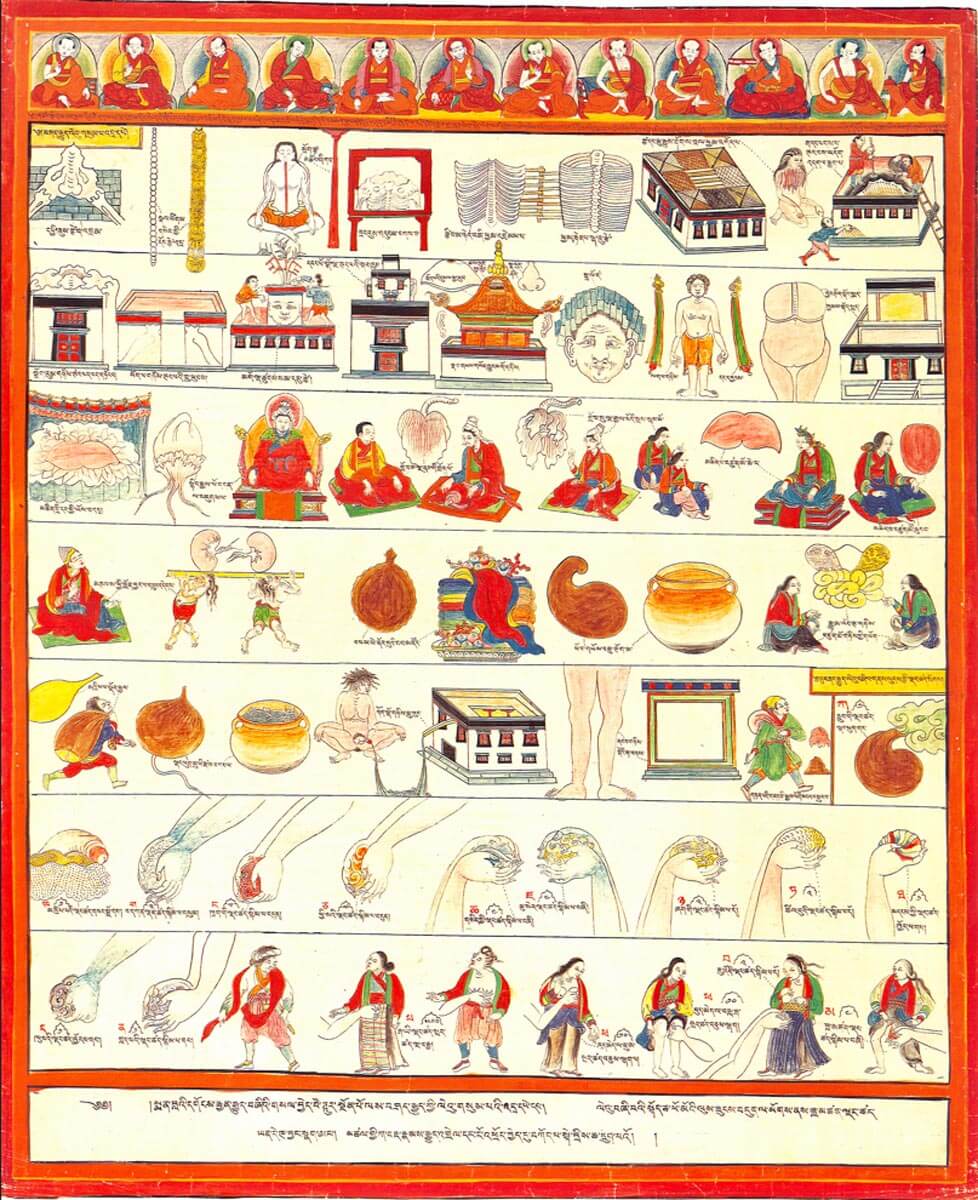
Diagrams of the internal organs
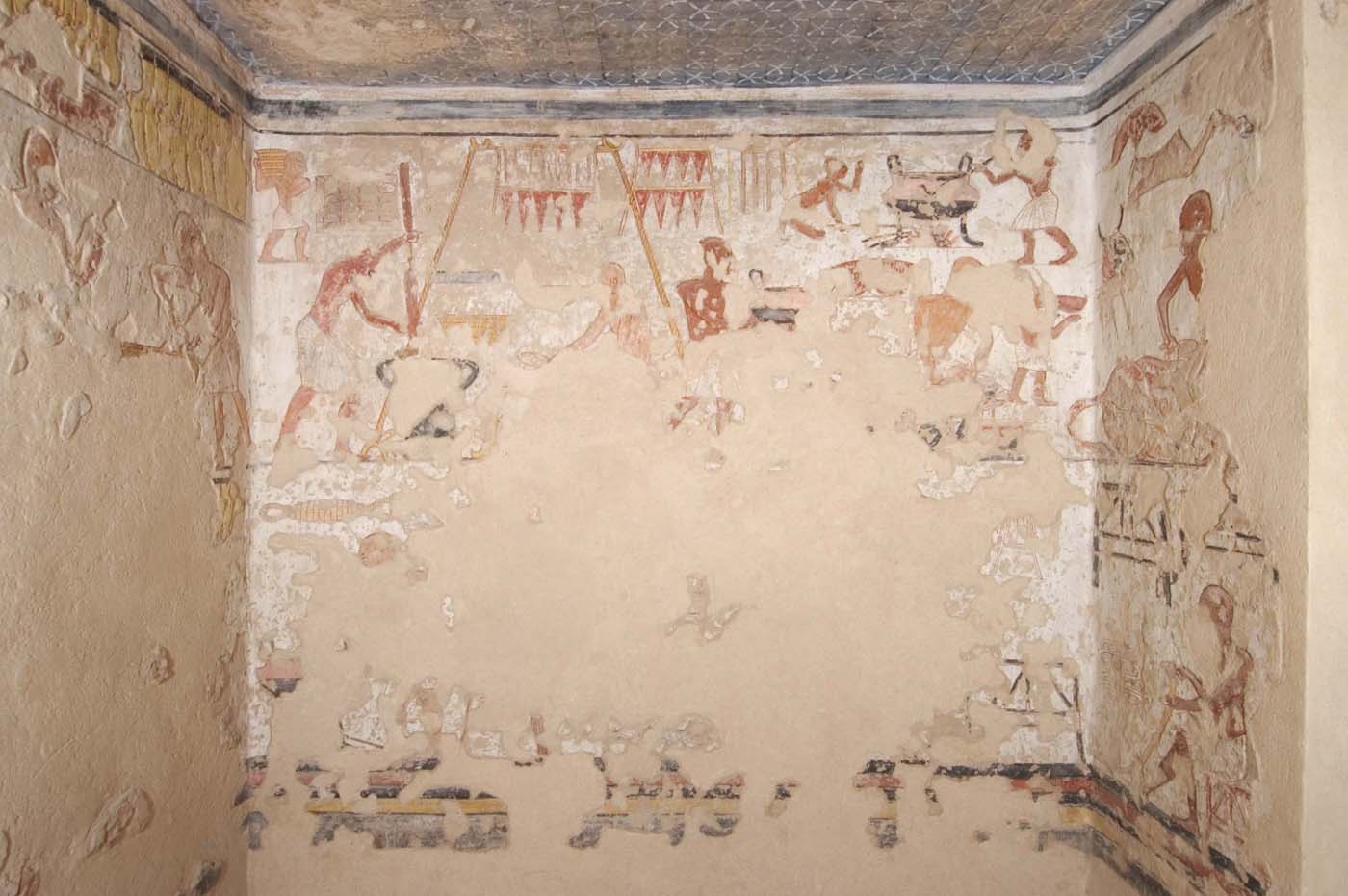
Wall scene from tomb of King Ramesses III
Anatomy of the gut, anterior view
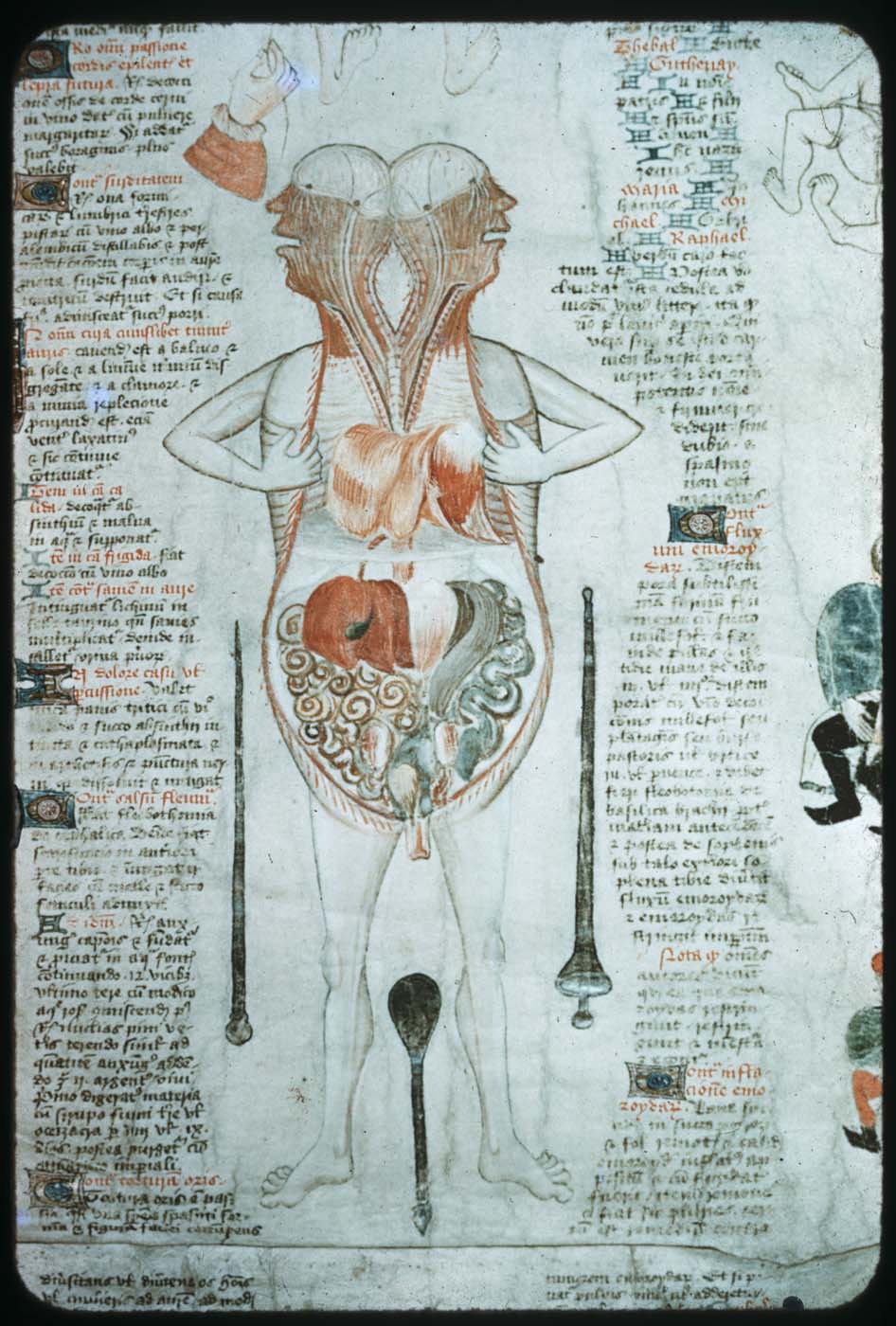
Illustration accompanying De Arte Physicali et de Cirurgia
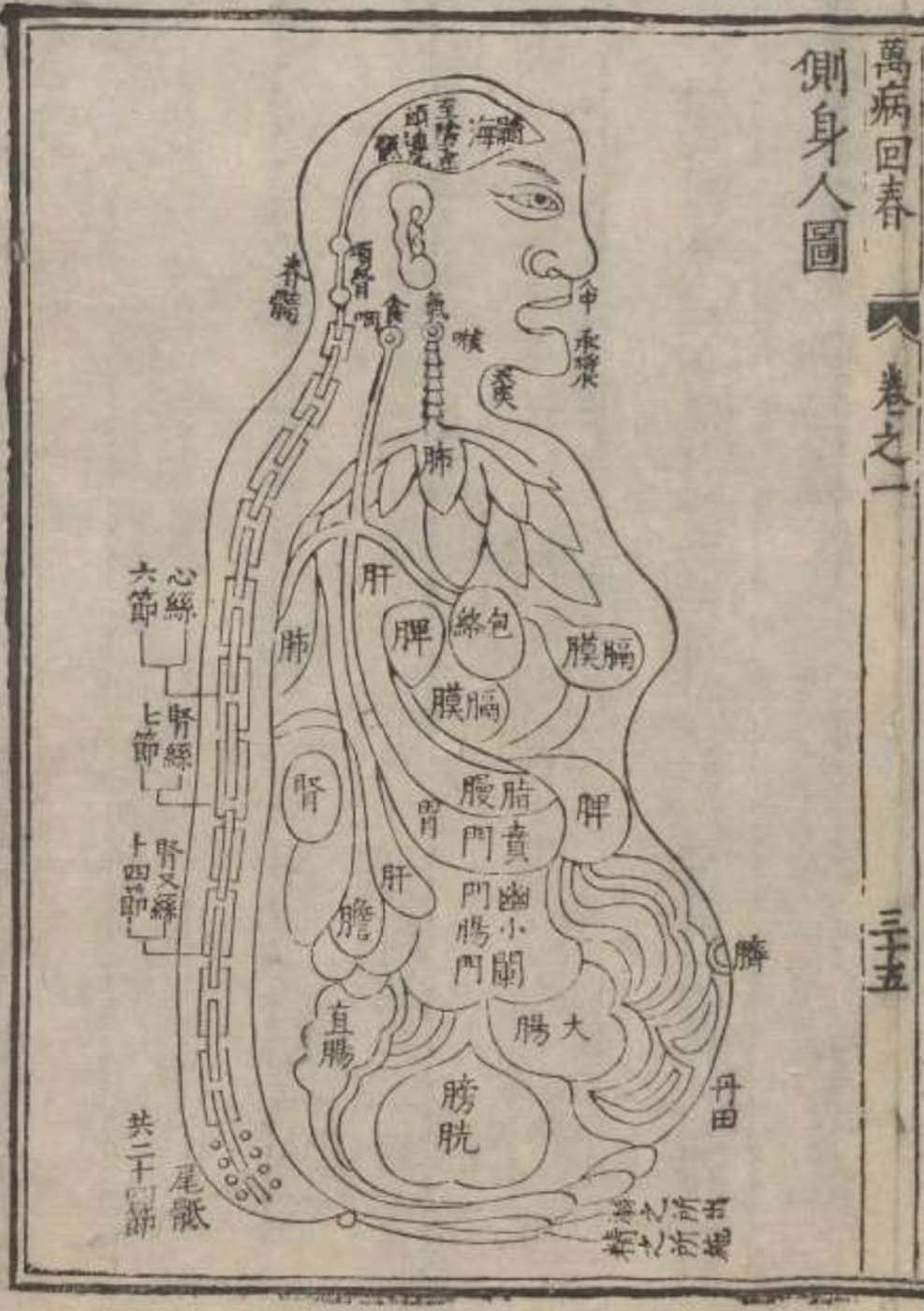
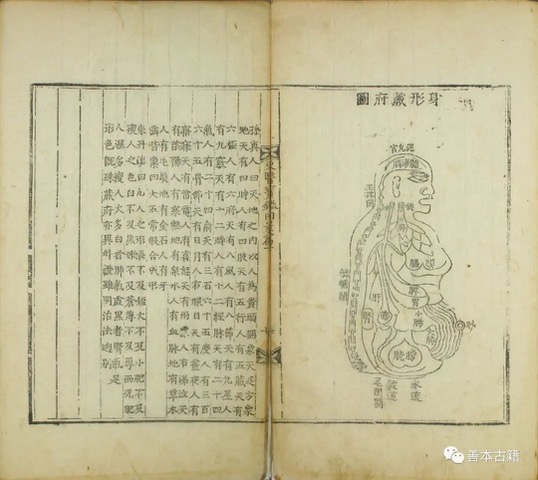
1597 reprint of Wanbing huichun “Diagram of Man’s Side-Body”
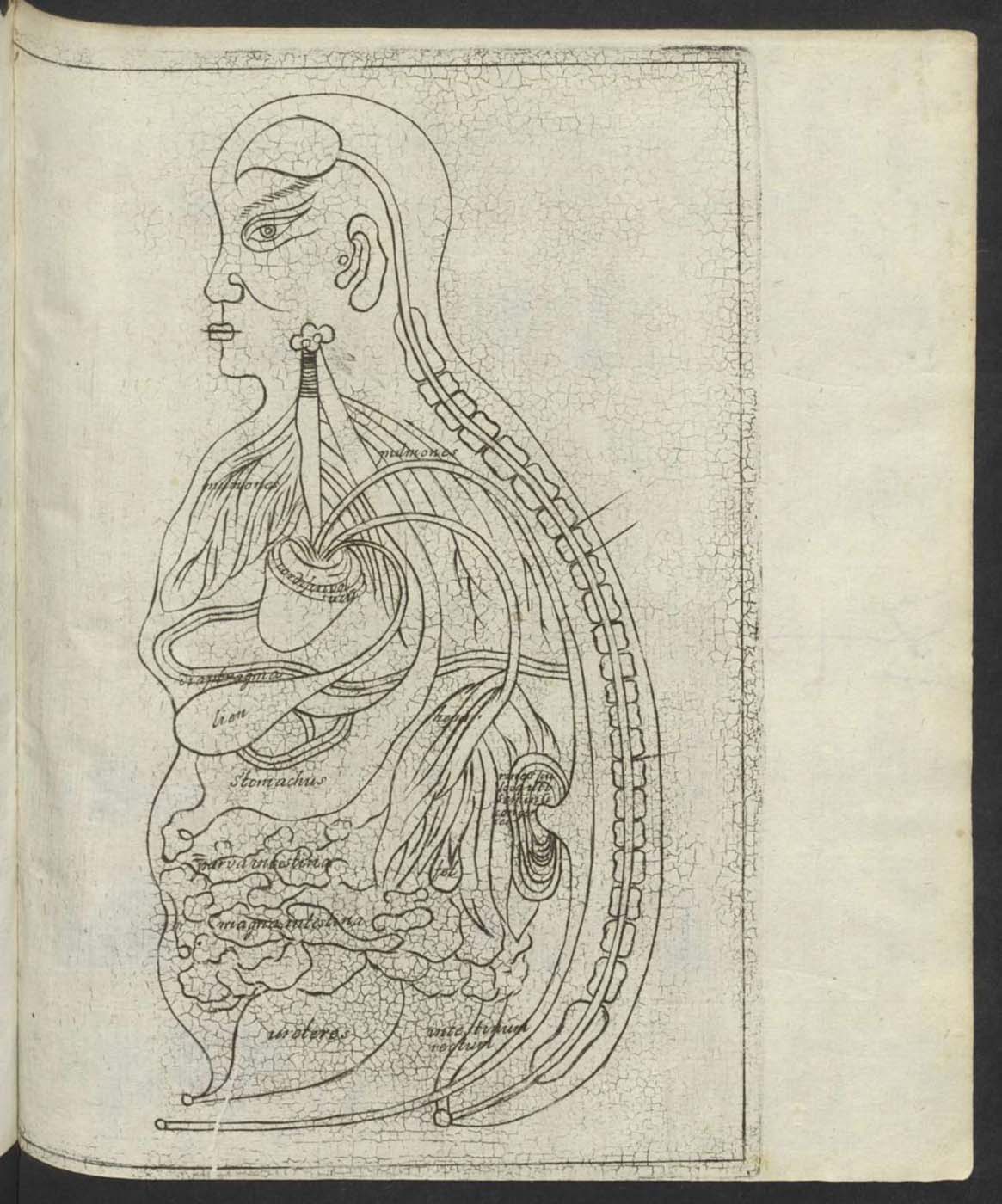
1682 Specimen Medicinae Sinicae, unknown artist
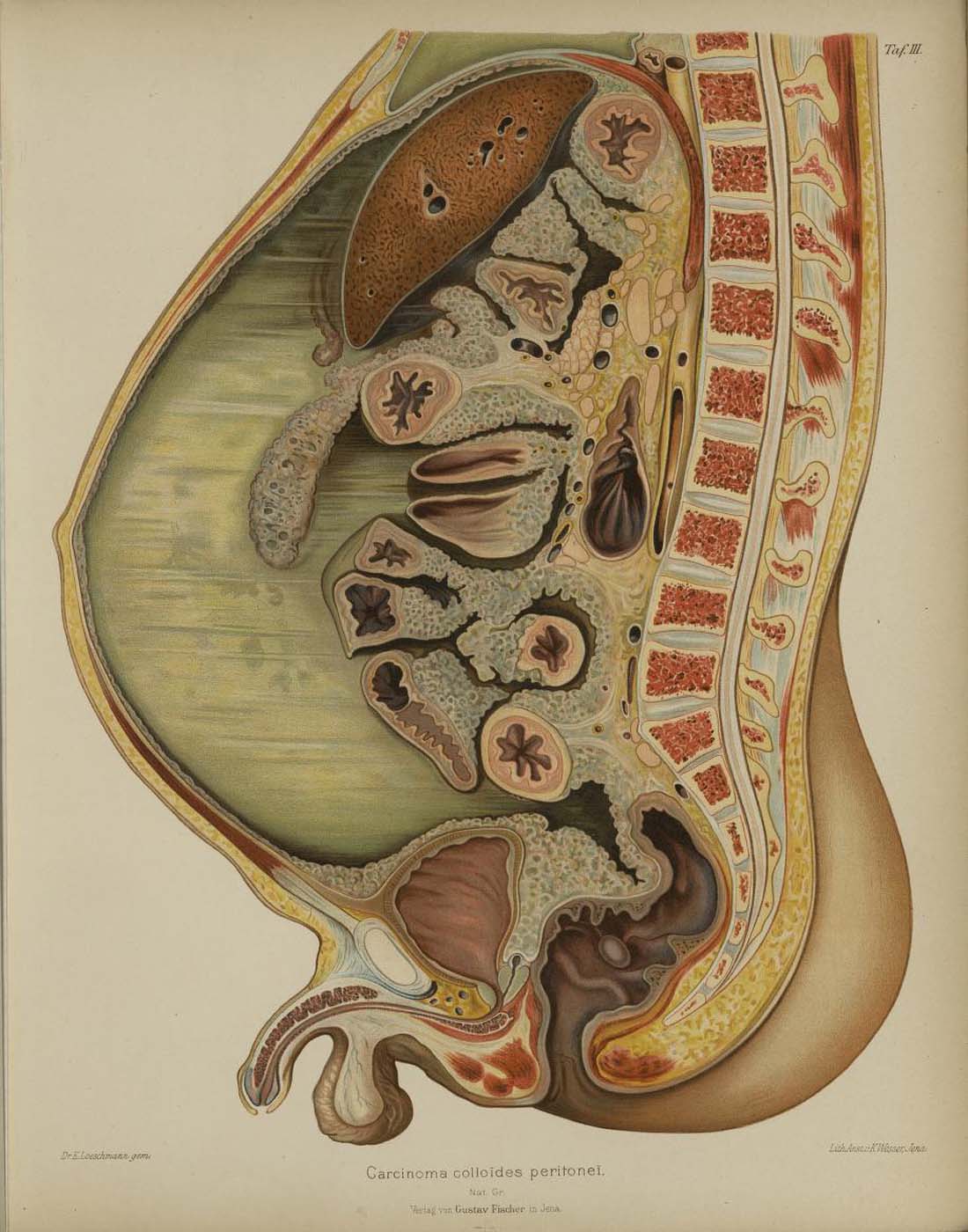
Carcinoma colloides peritonei
Anicka Yi,
Le Pain Symbiotique
(2014)
SET 3a-f Kim Yemong et al. Ui’bang’ryuchui 醫方類聚, vol. 5, pp. 51-70
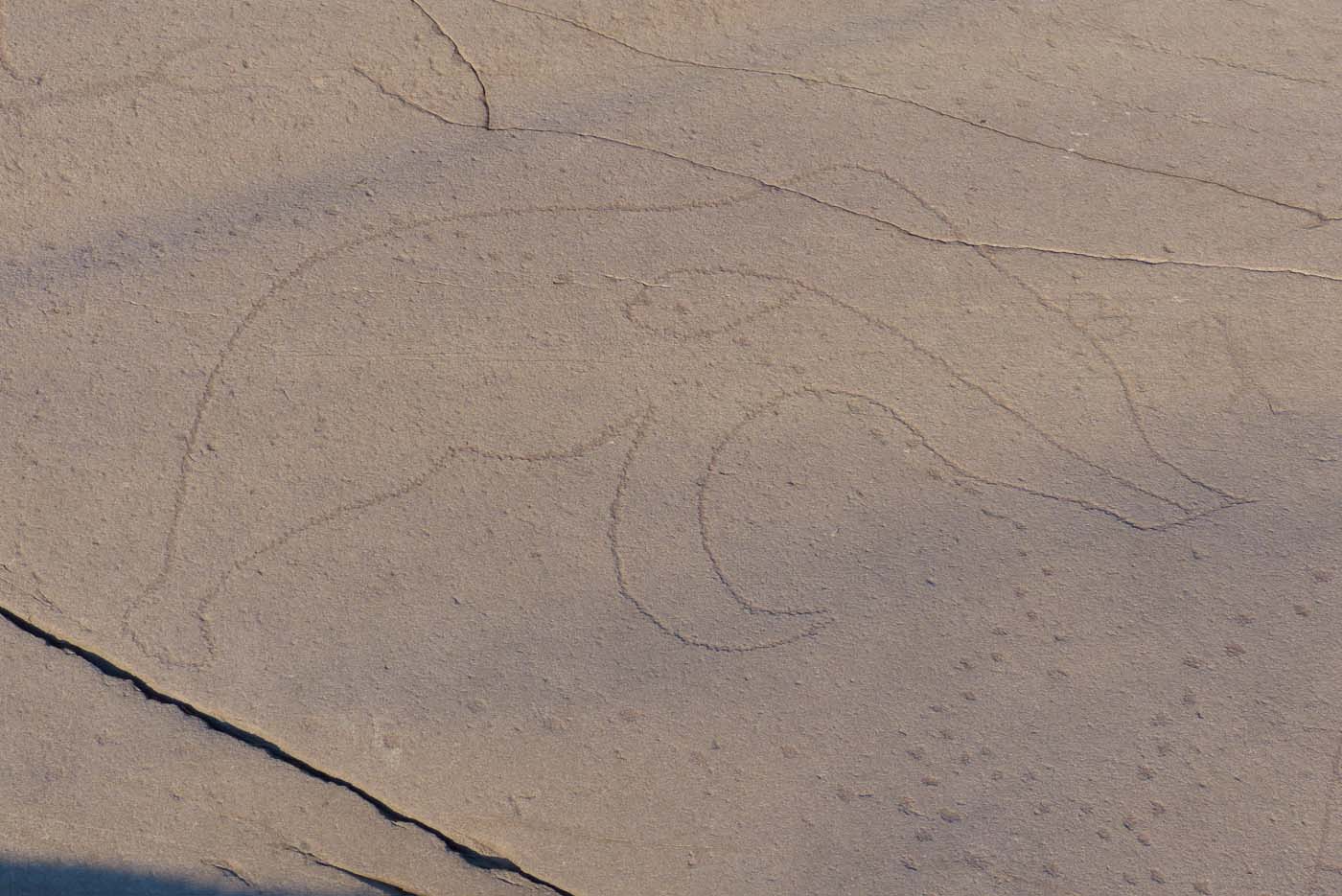
Rock carving of Brown bear with lifeline
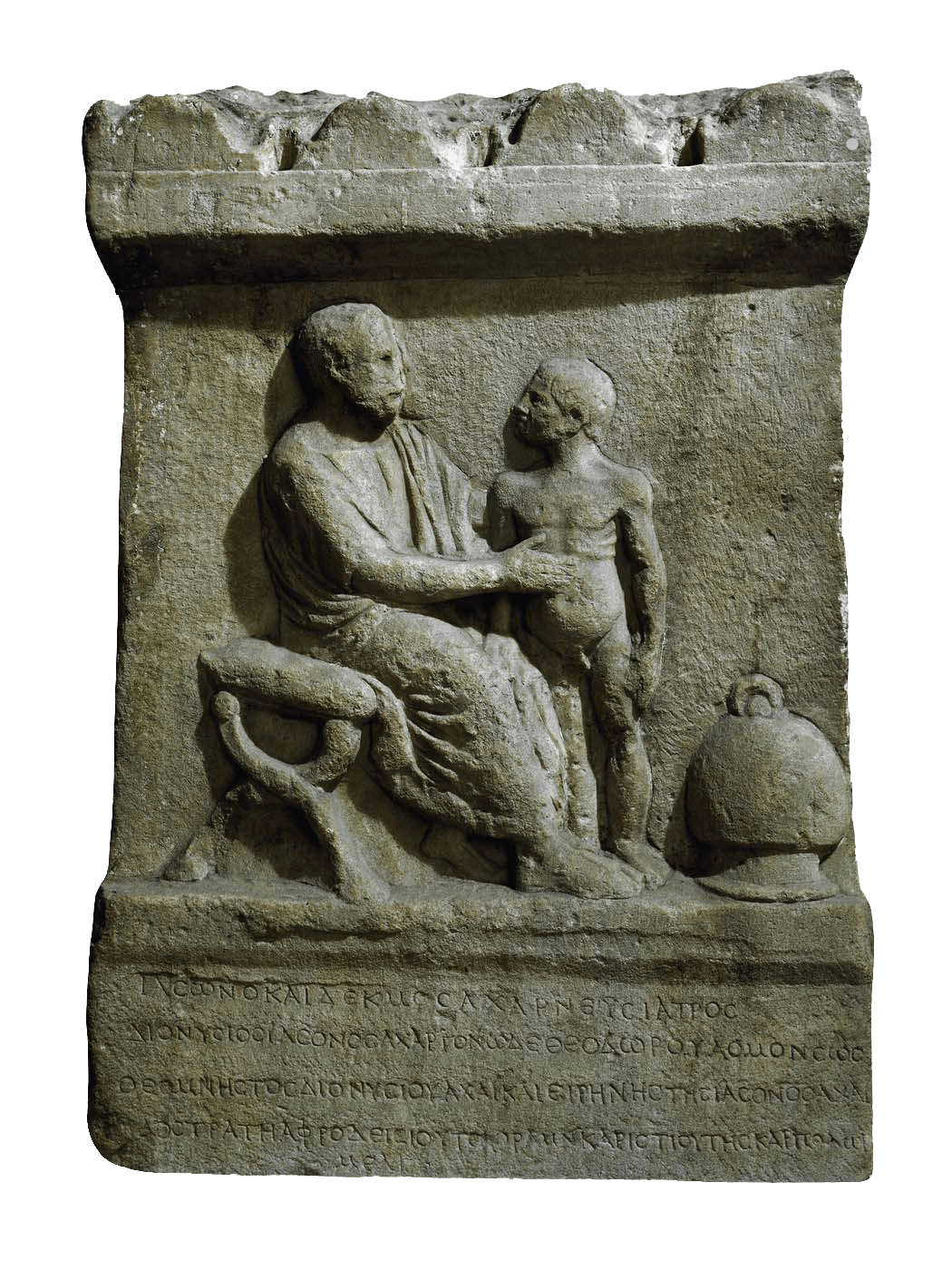
Marble tombstone of an Athenian physician
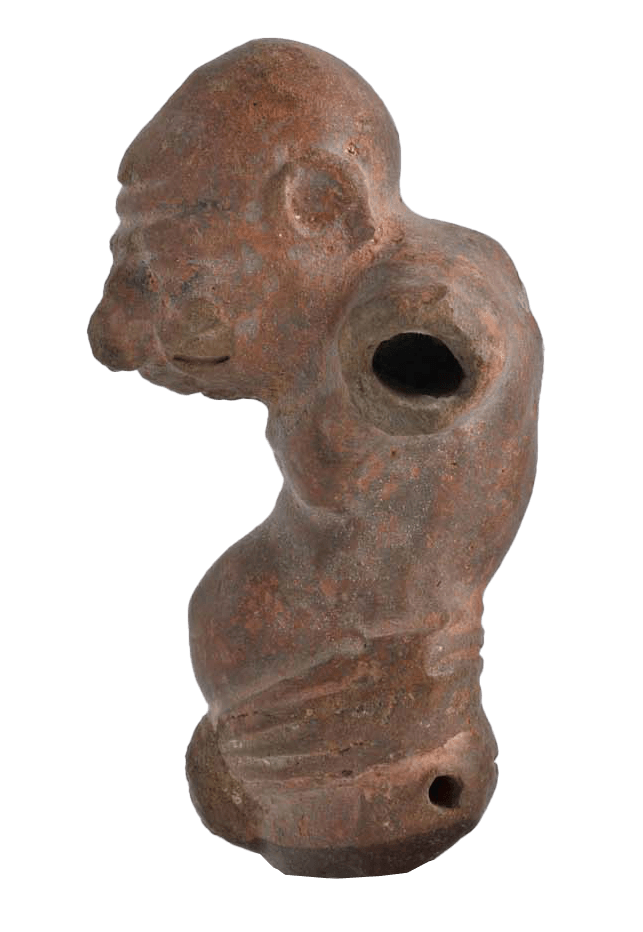
Grotesque figurine
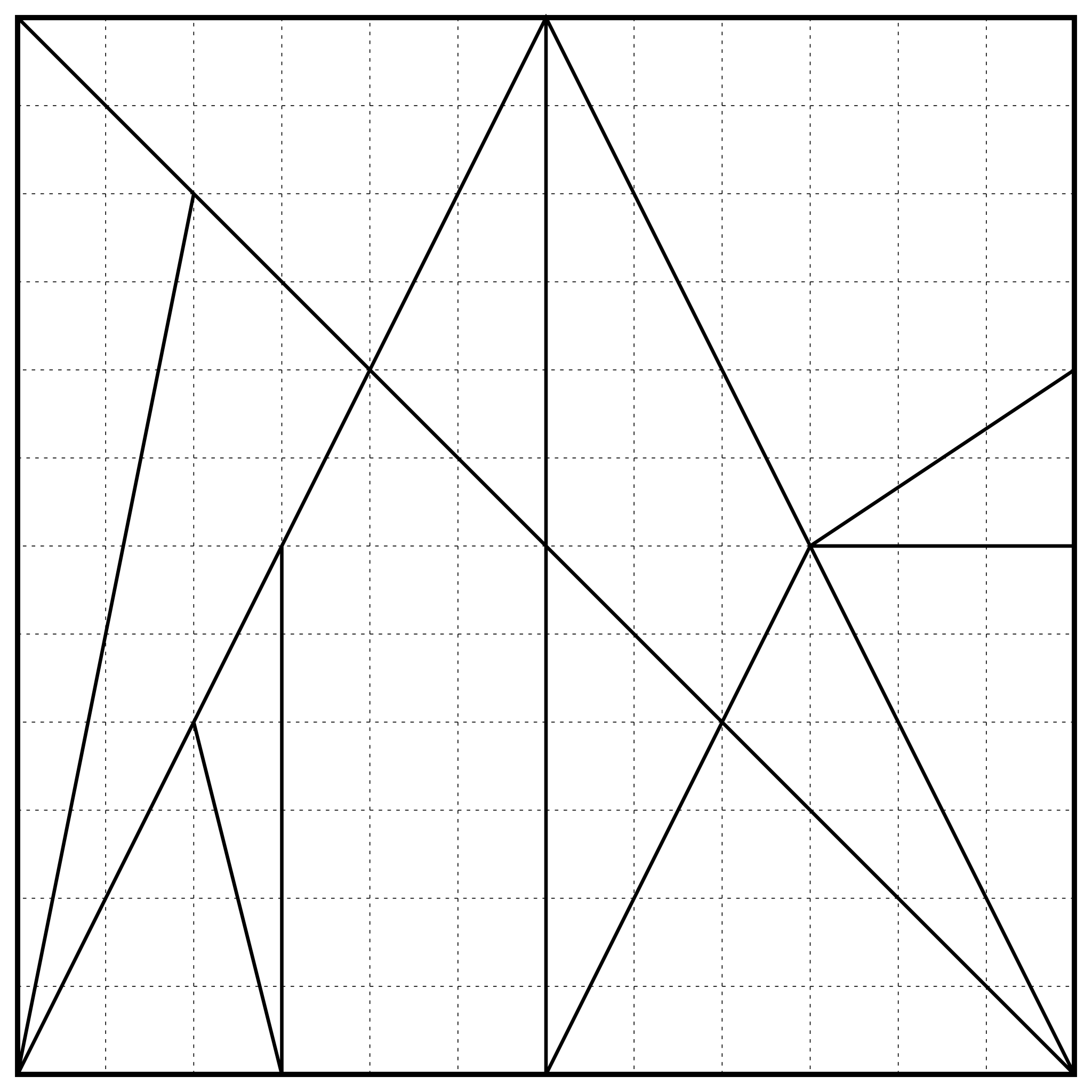
The geometric design of the stomachion diagram
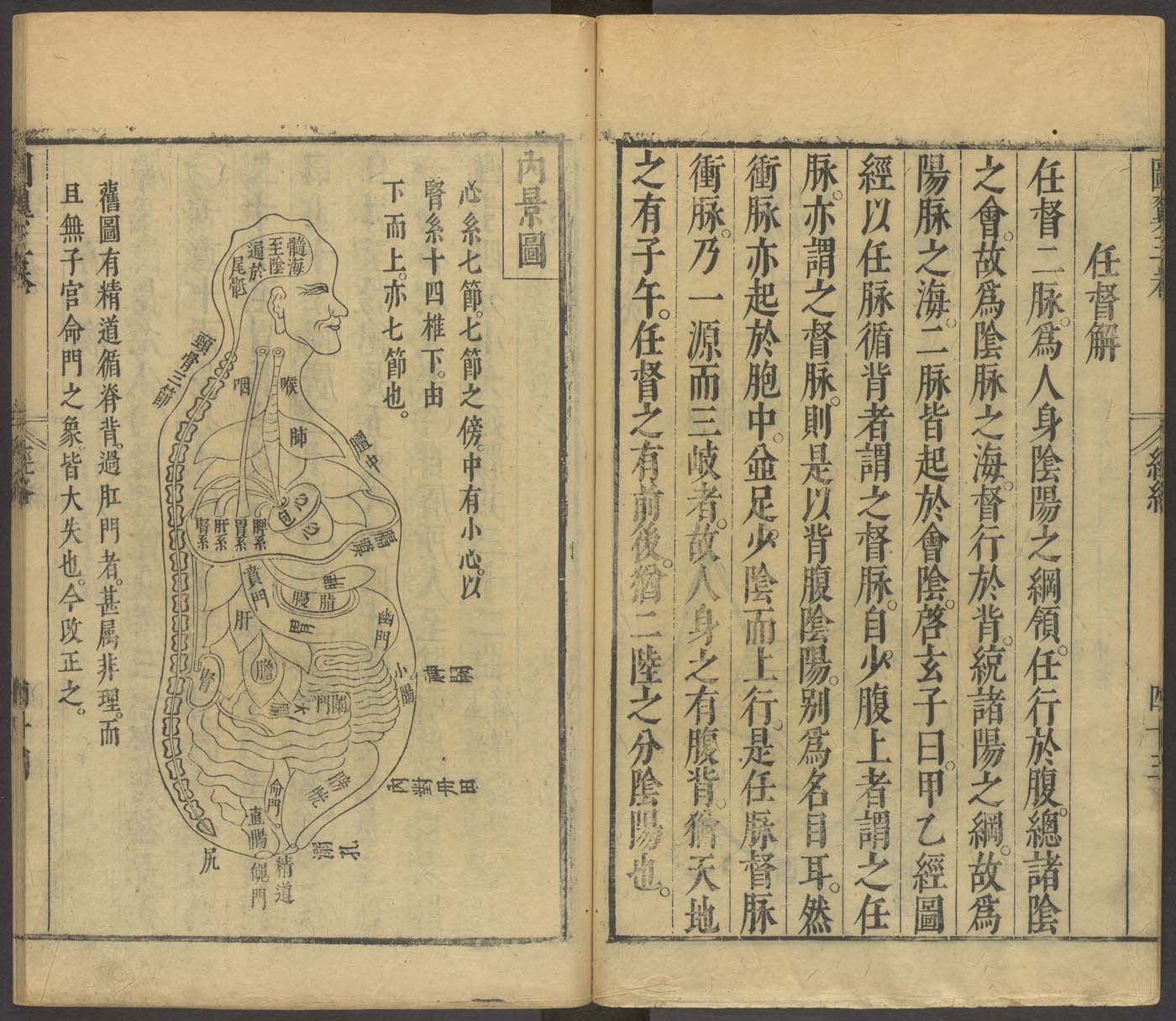
Diagram of the Inner Landscape
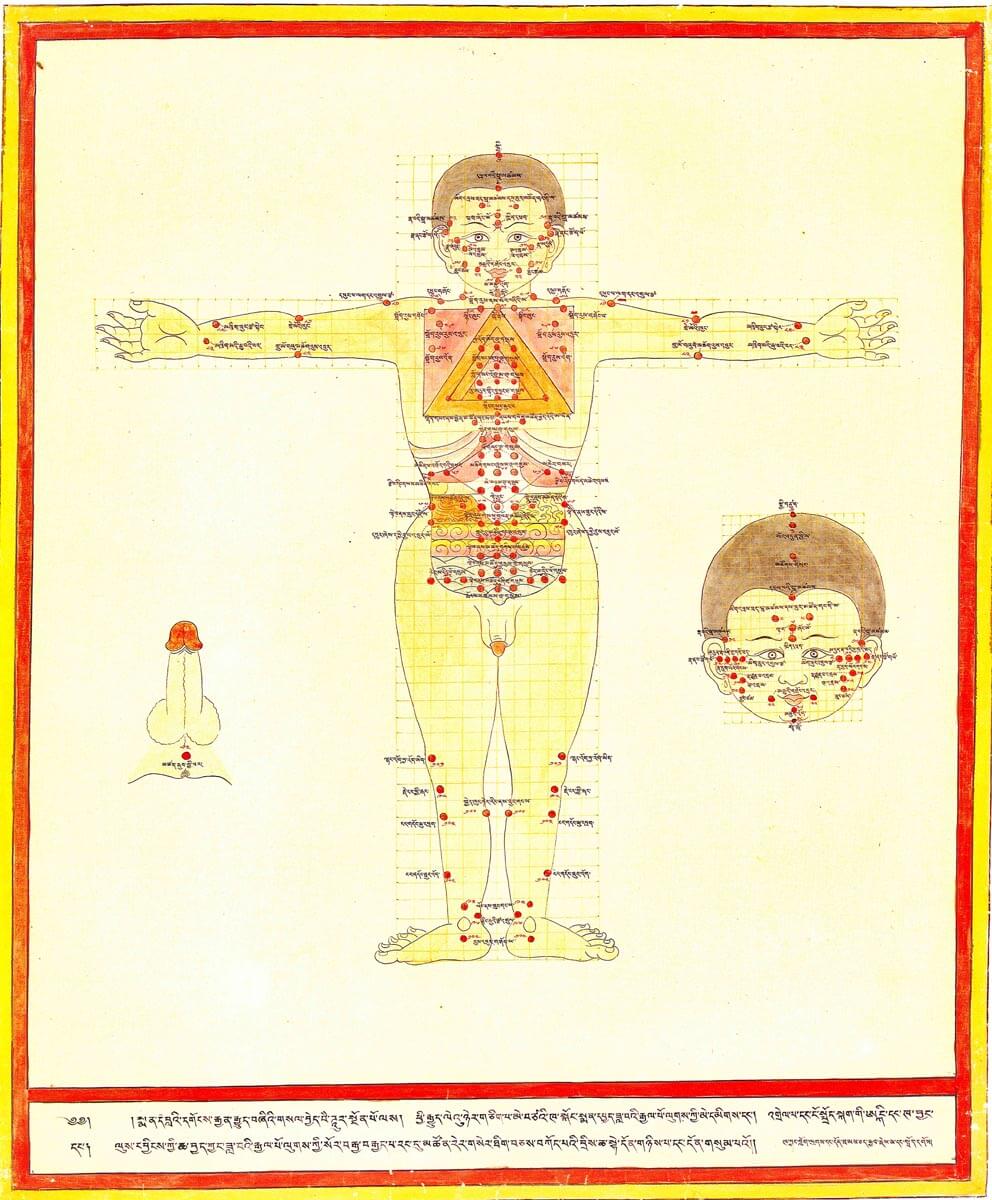
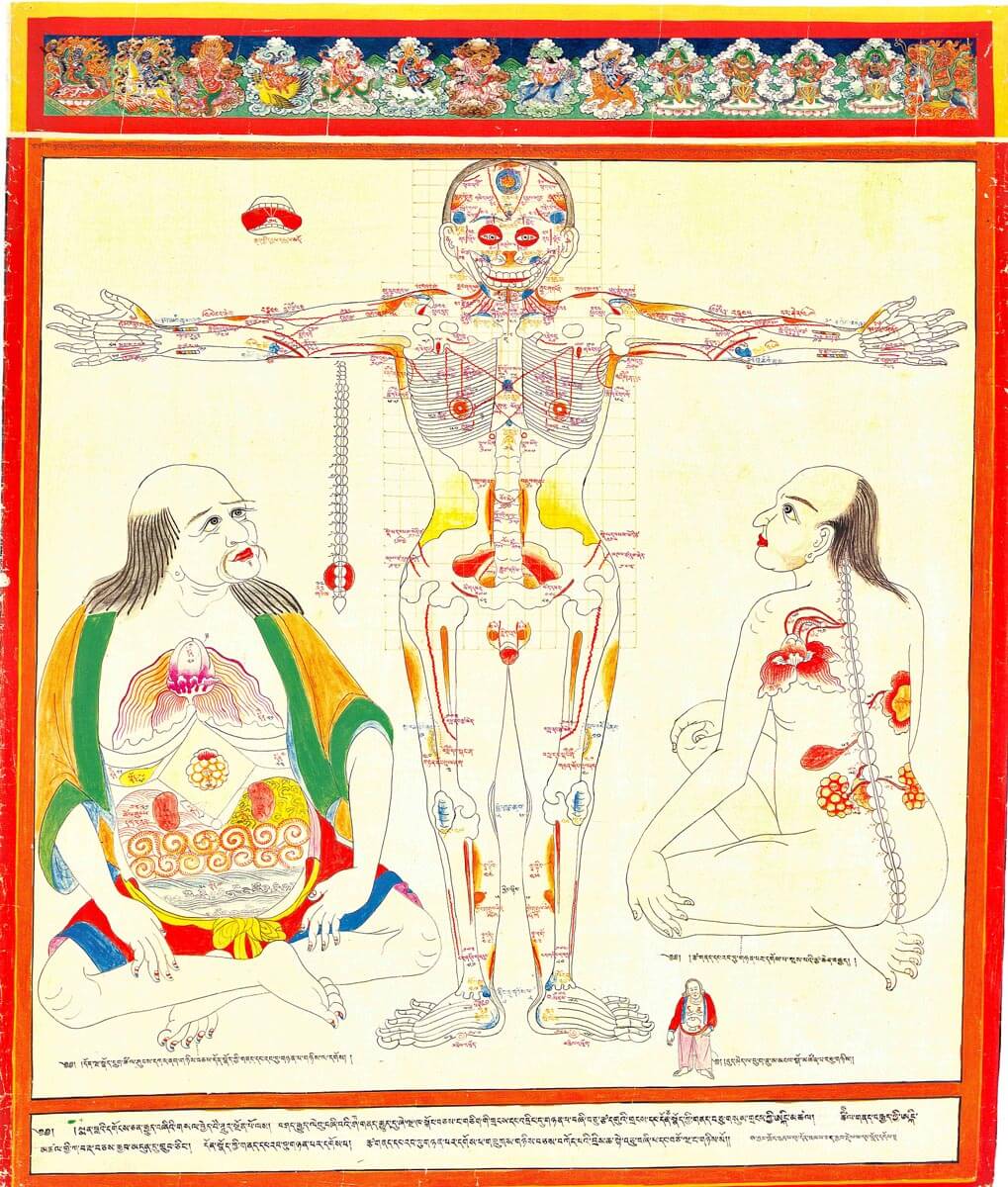
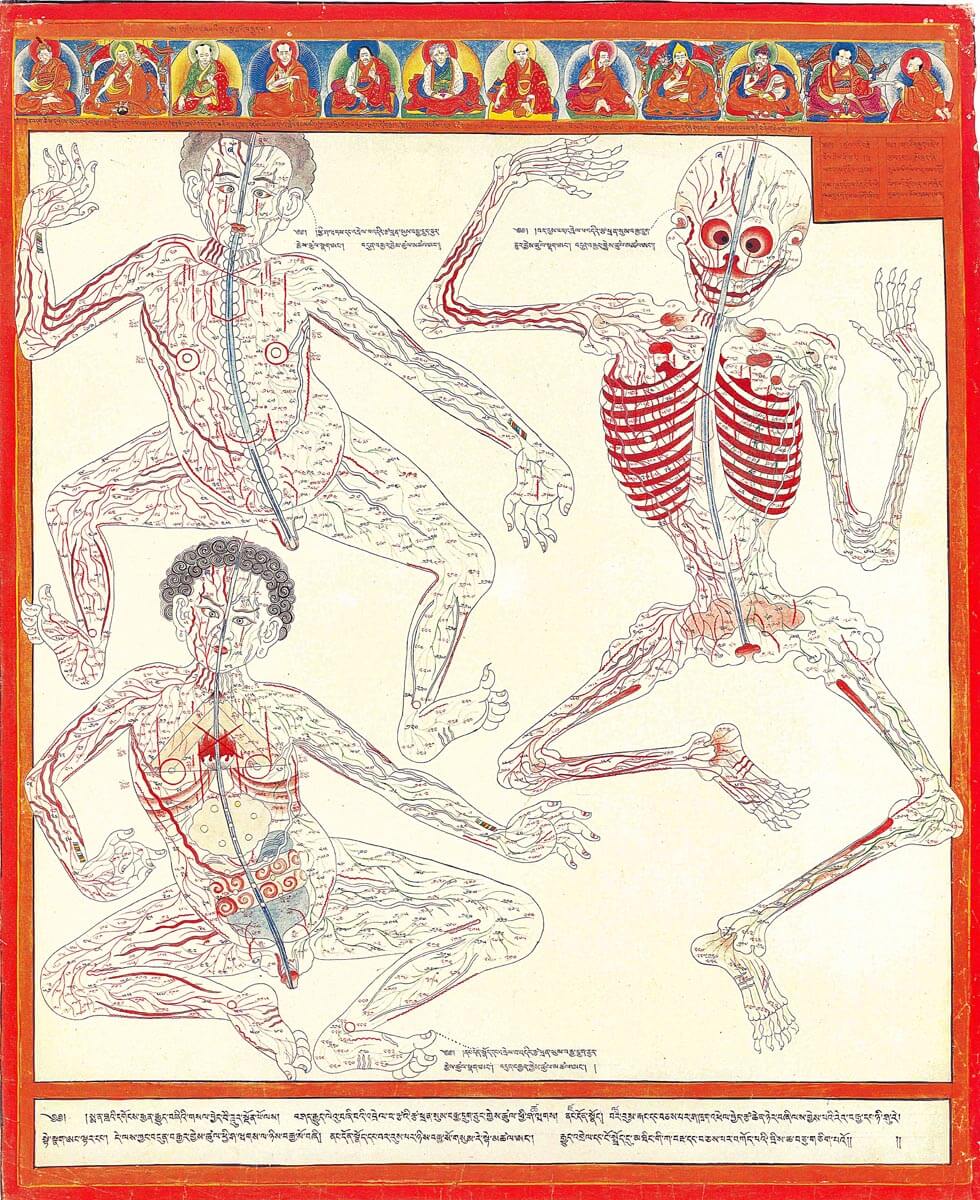
Moxibustion points according to Medical Arts of the Lunar King, Sowa Rigpa intersections with Chinese and Indian medical canons
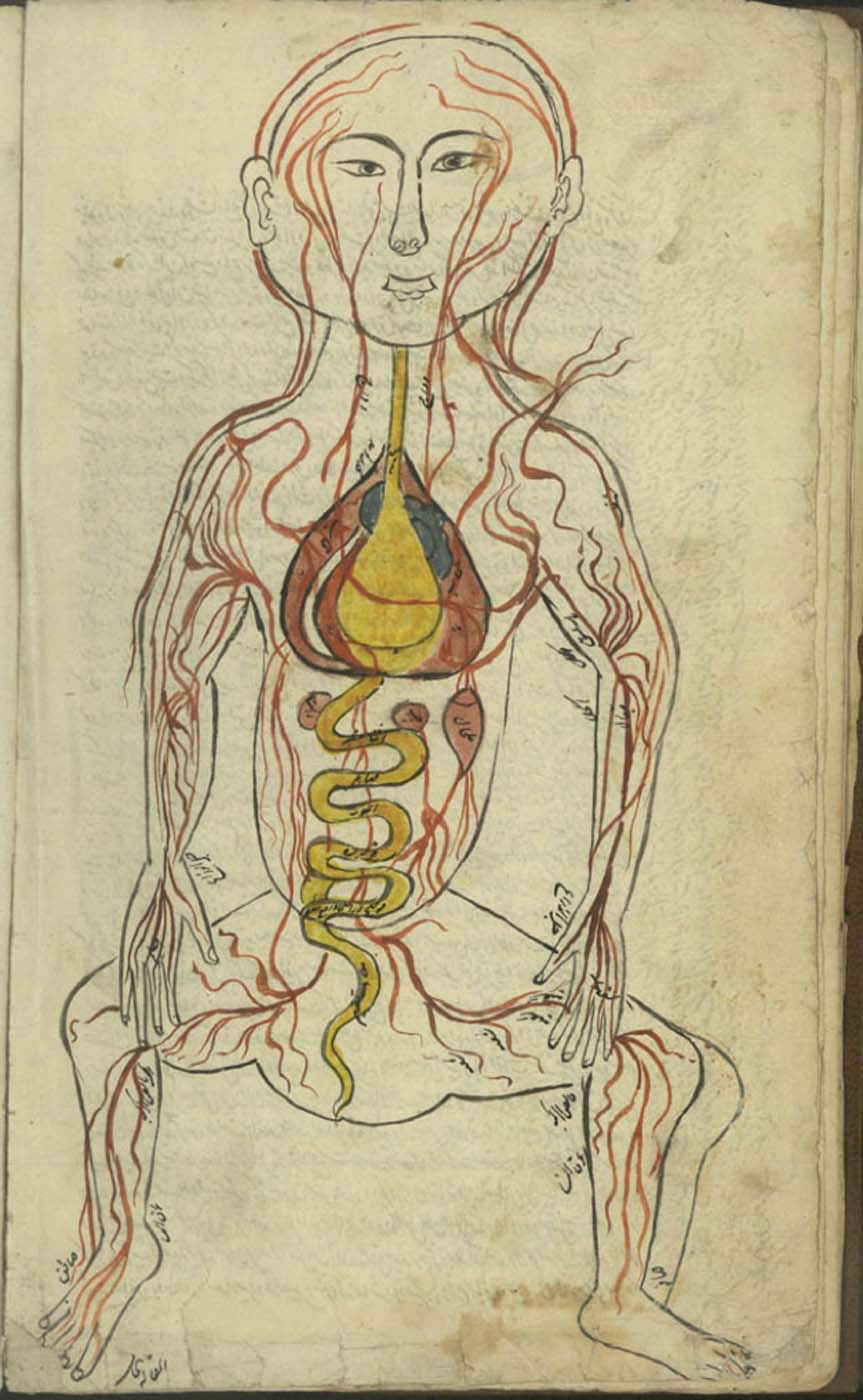
Representation of a man with the distribution of the blood vessels and the internal organs (f. 13v)
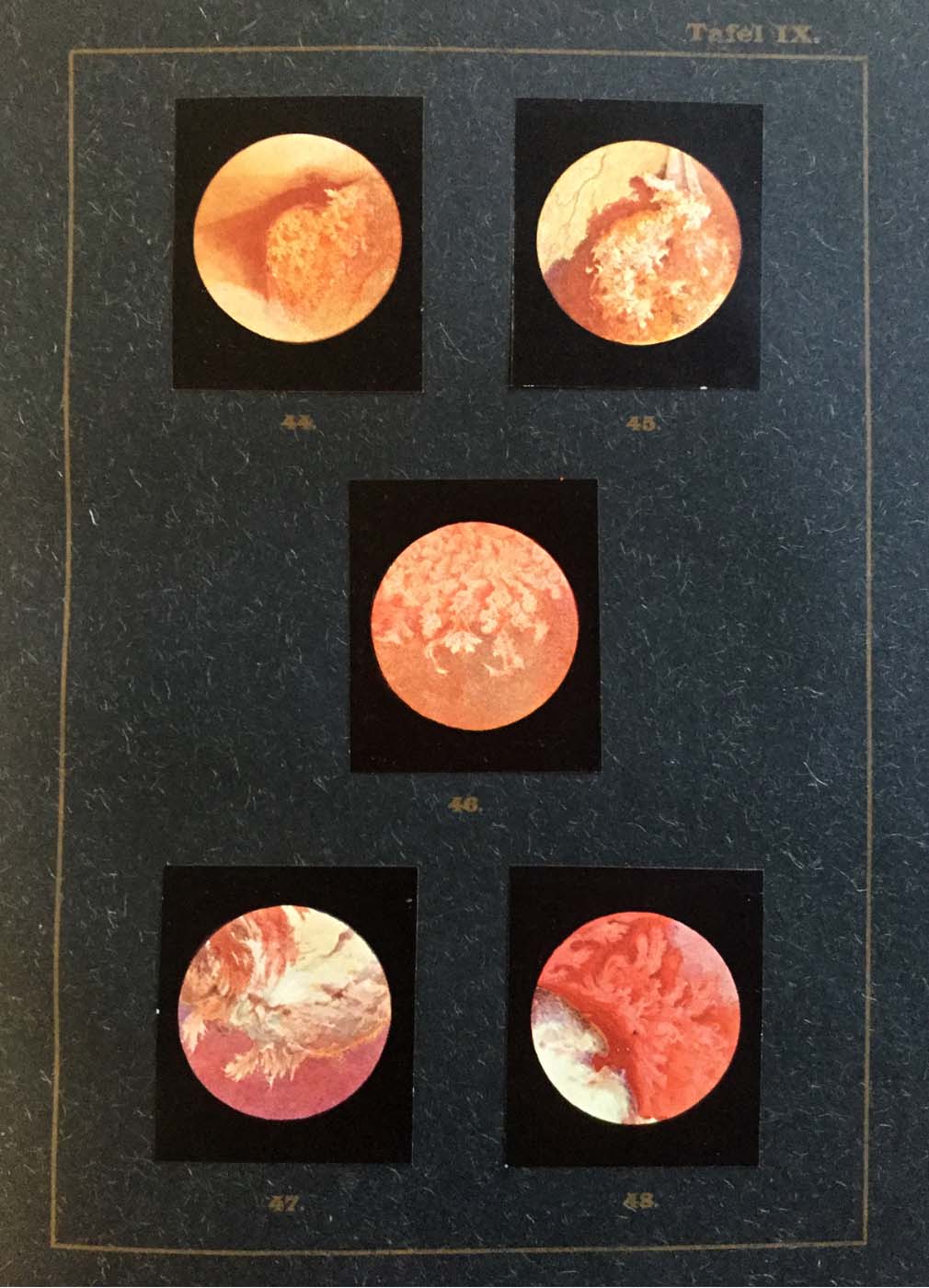
Blasengeschwülste, Fig. 44-46: Ansichten eines Papilloms, Fig. 47-48: Ansichten eines Tumors (Kneise 1908: Tafel IX)
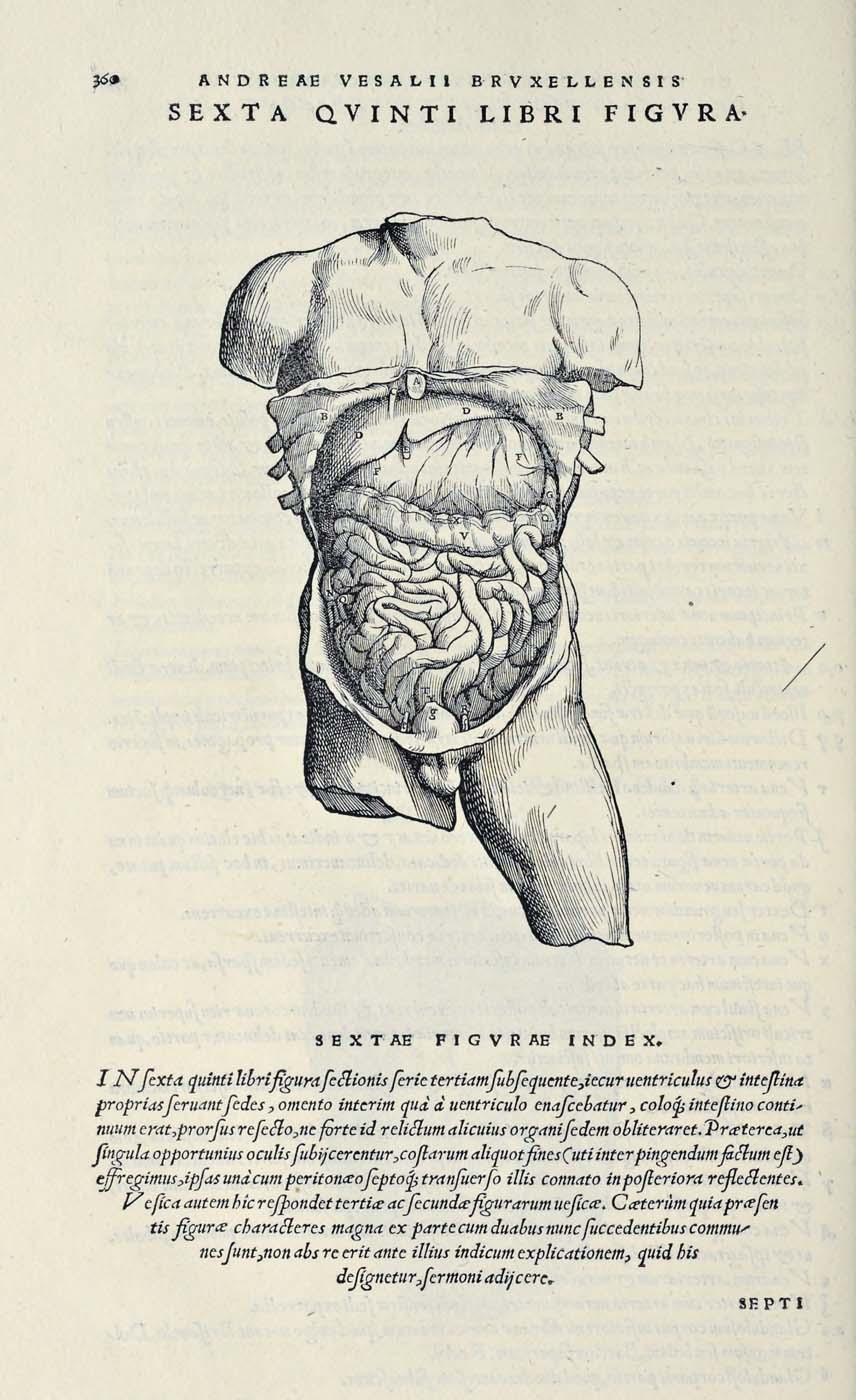
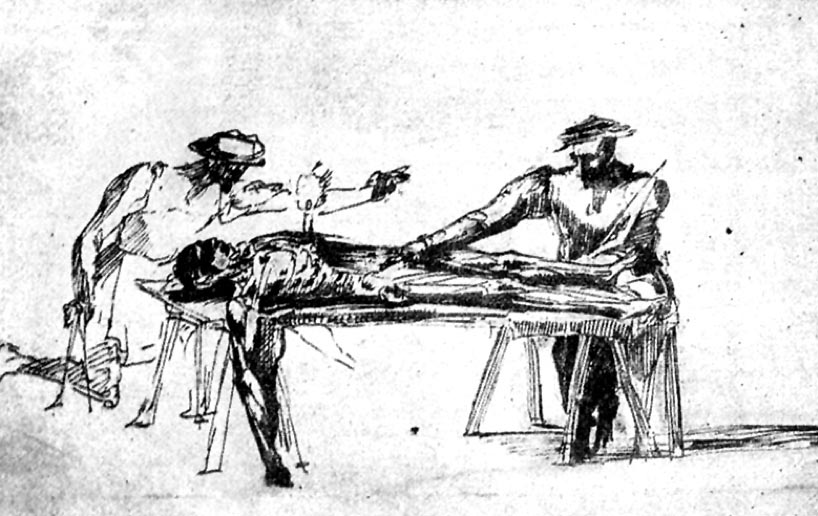
Abdominal Dissection
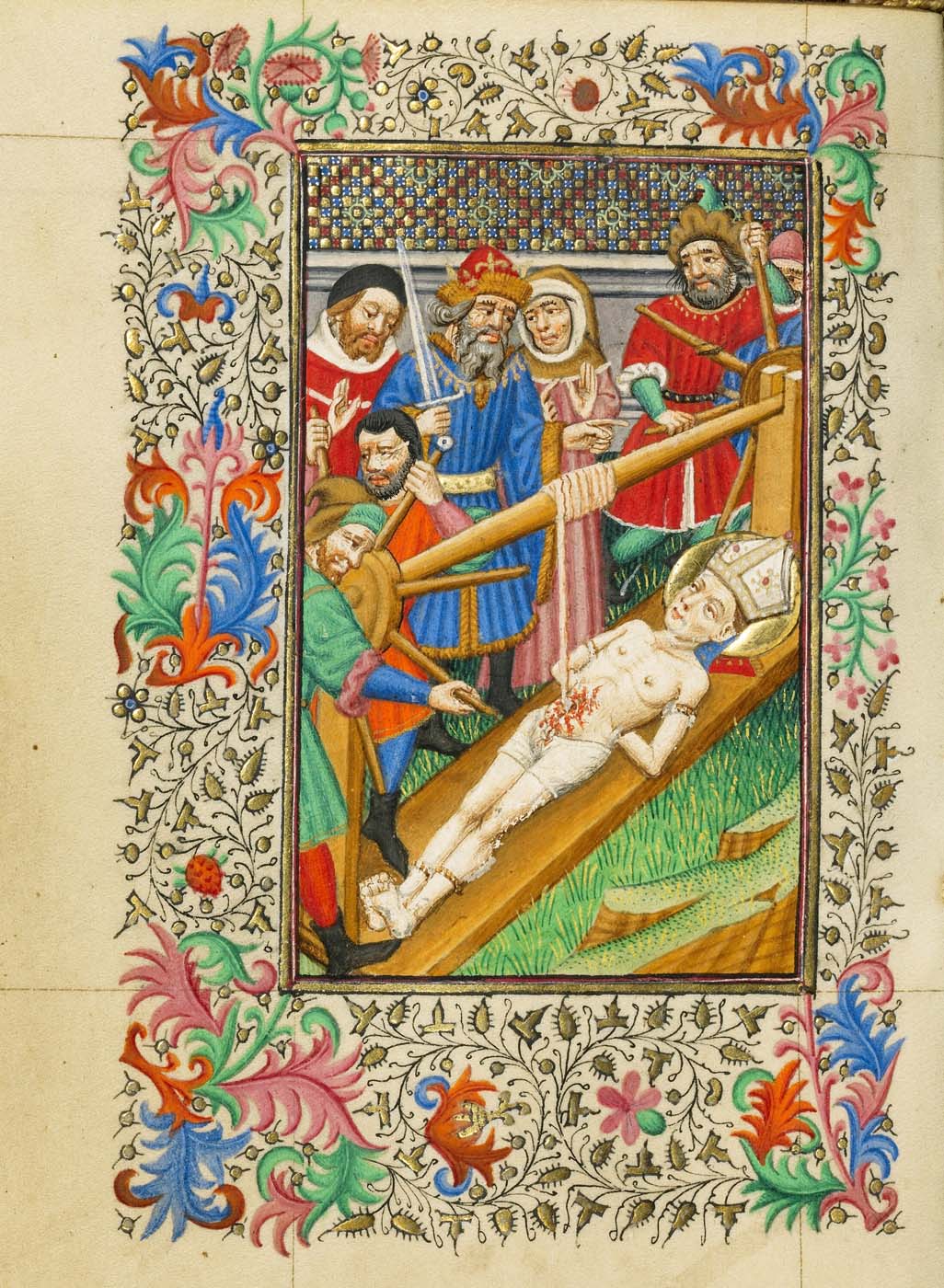
The Martyrdom of St Erasmus
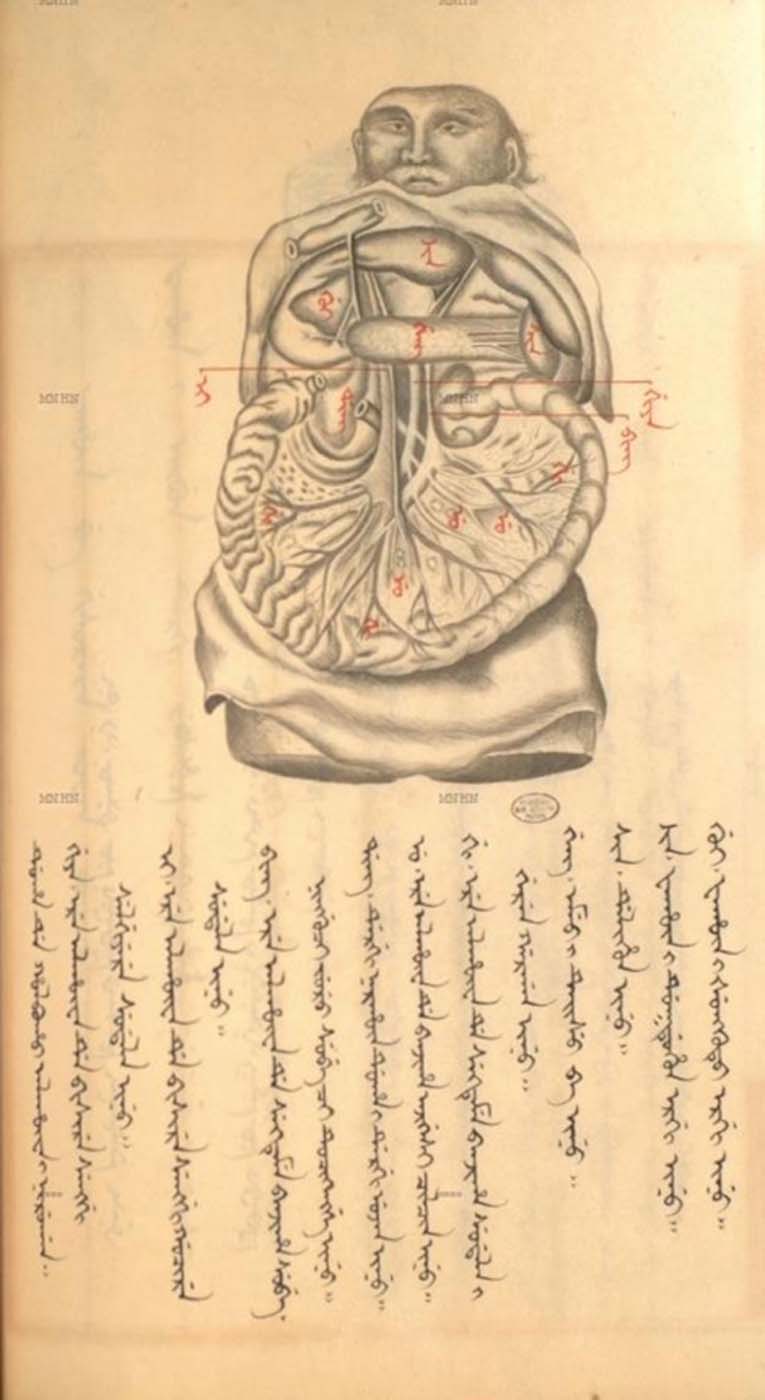
Manchu face, Universal body
Bernardino Capitelli, Anatomical Dissection, c. 1604 – 1639.
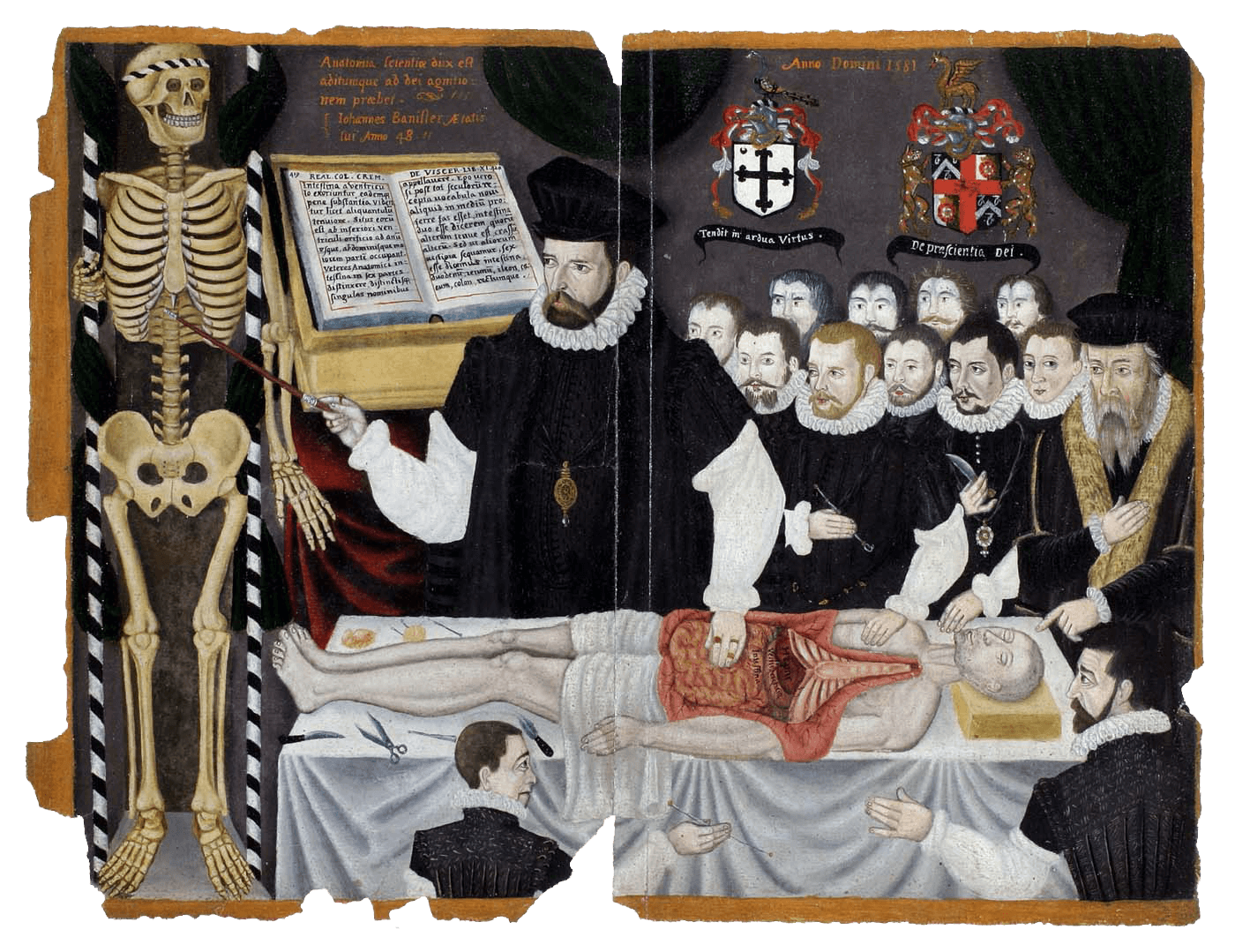
John Banister Delivering an Anatomical Lecture on the Viscera
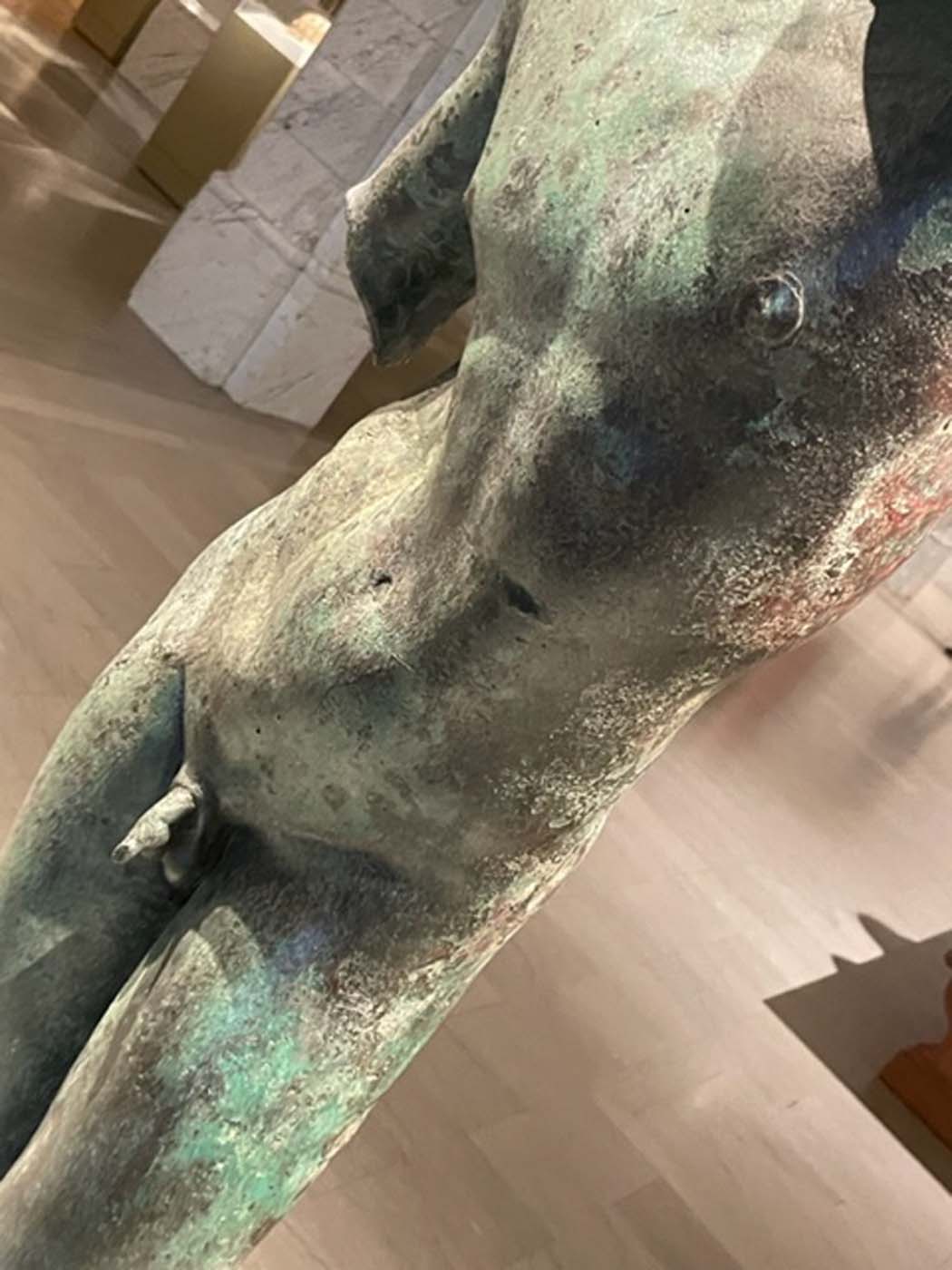
Apollo the Python-Slayer or Cleveland Apollo
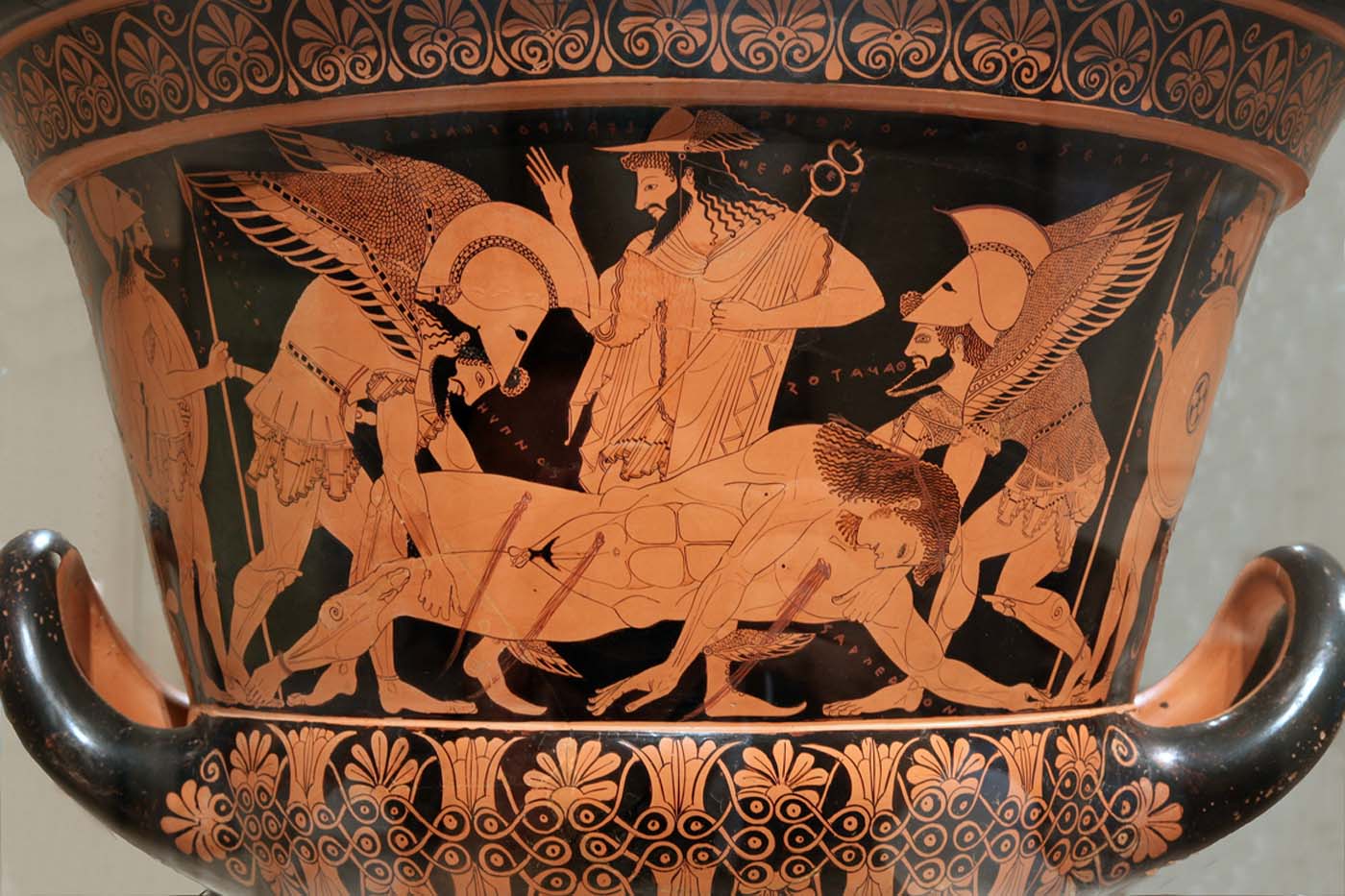
Athenian red-figure krater signed by Euphronios
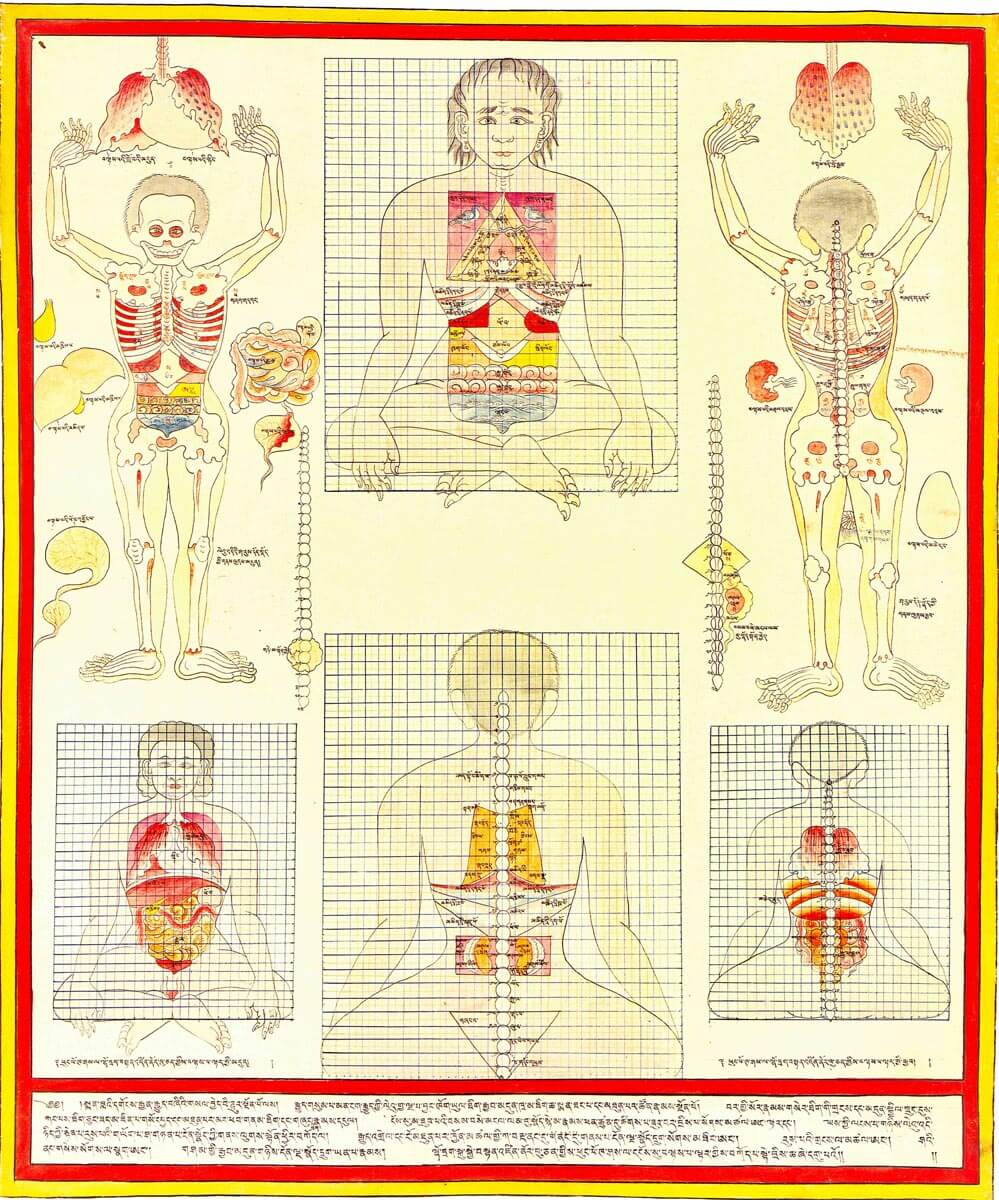
Location of internal organs on modular grid
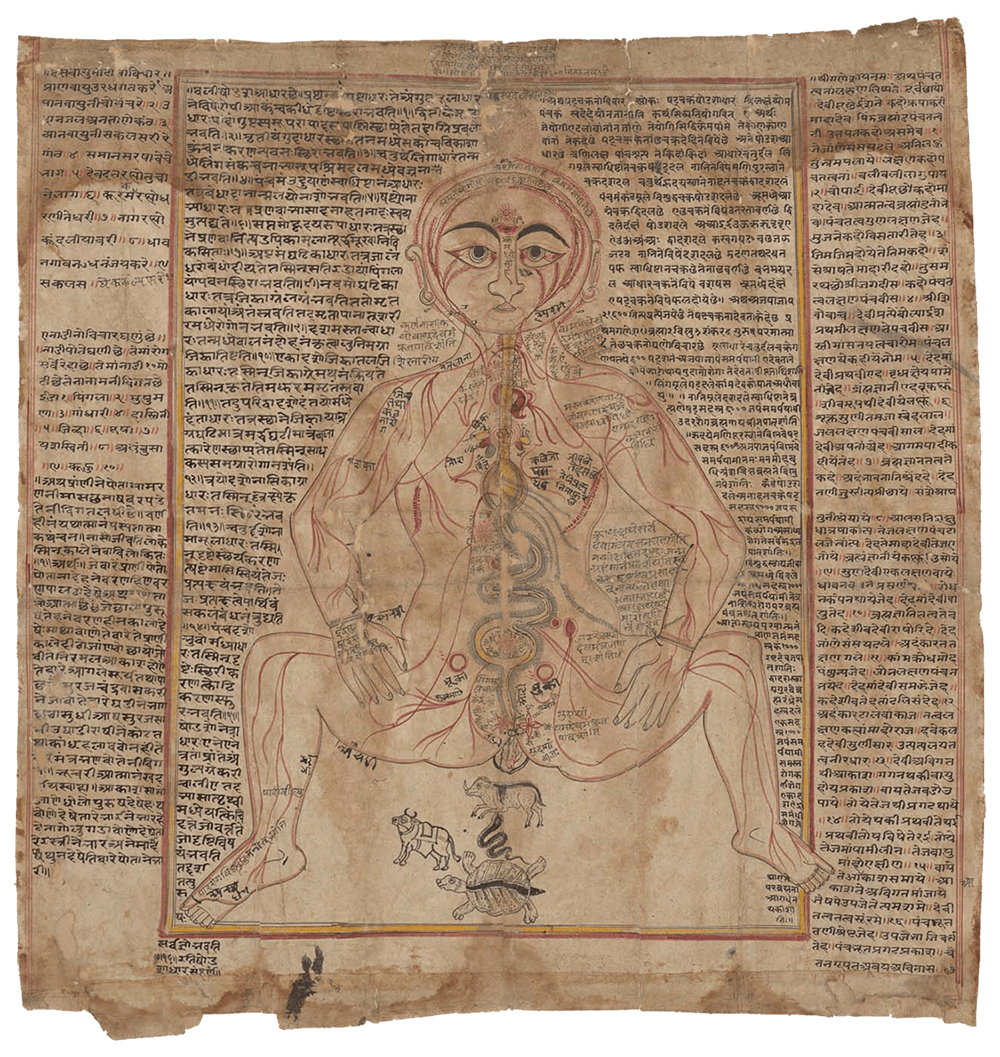
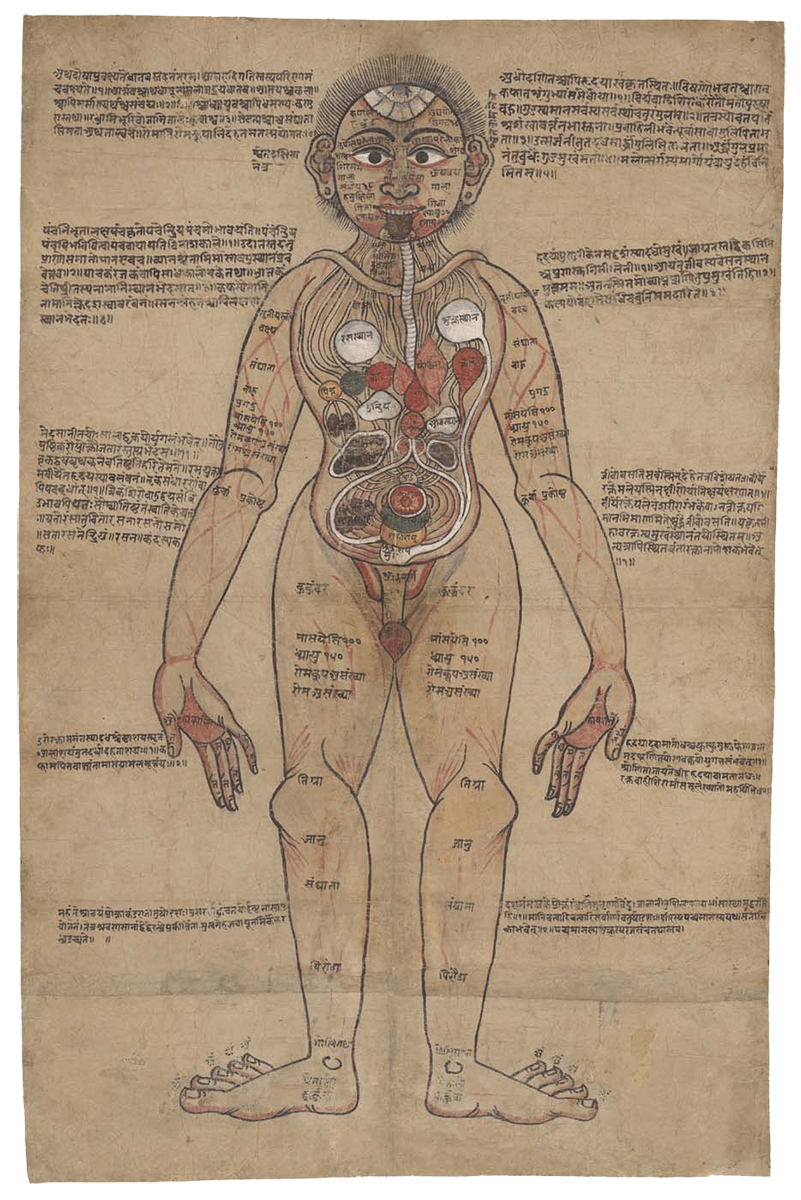
Indian anatomical painting
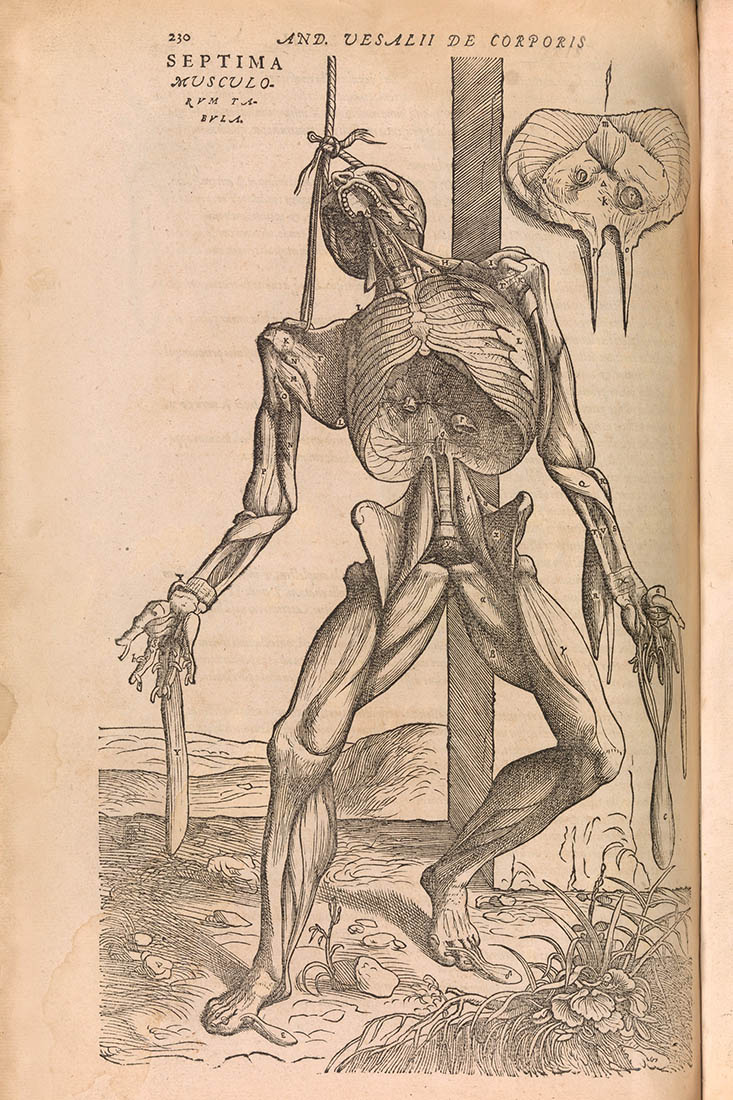
Andreas Vesalius (anatomist) and Jan van Calcar (artist), studio of Titian. The Seventh Plate of Muscles.
Guido da Vigevano’s Anathomia, Figure 8
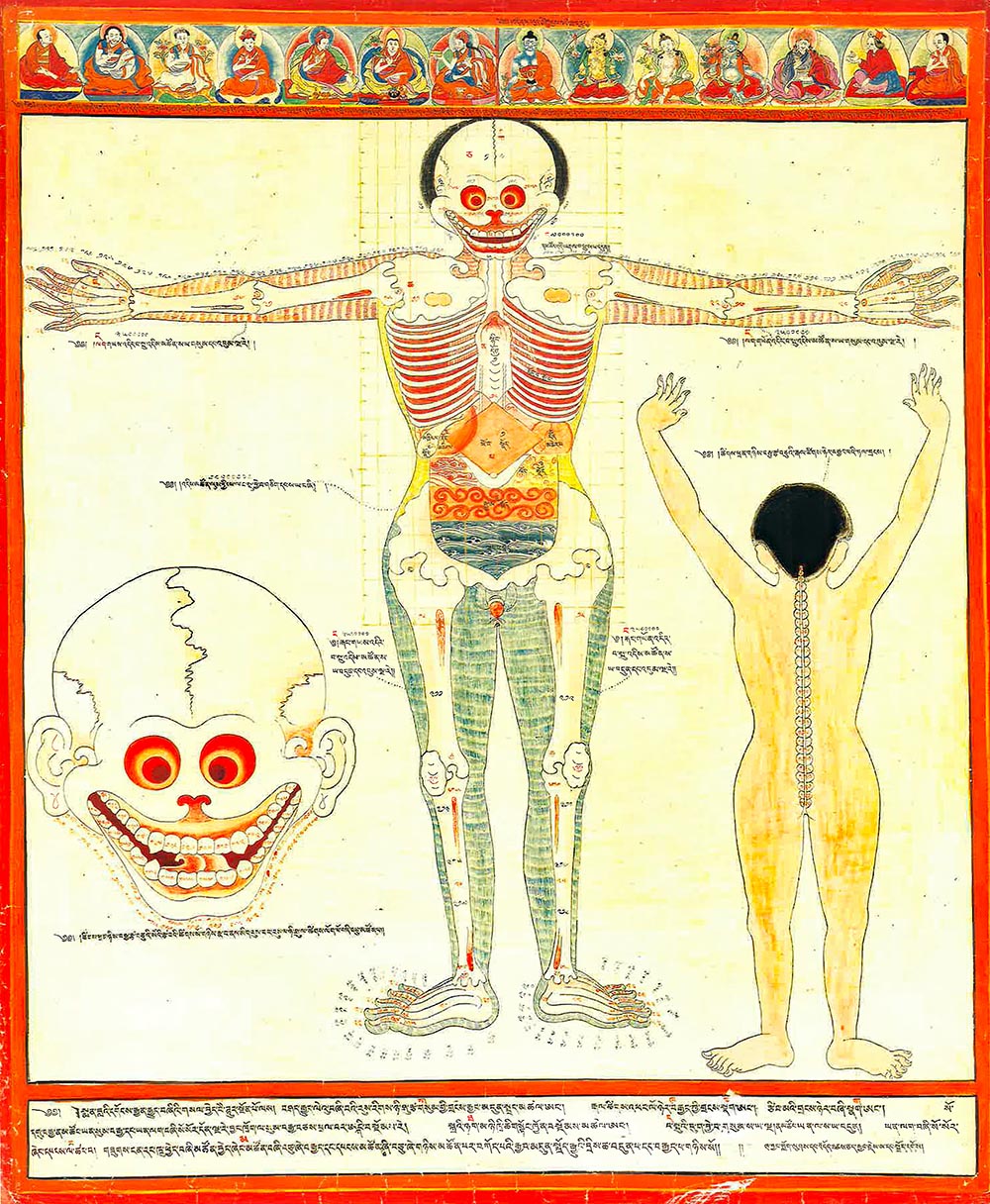
A human anatomical figure
The Body
Shiba Zenkō, Jūshi keisei hara no uchi
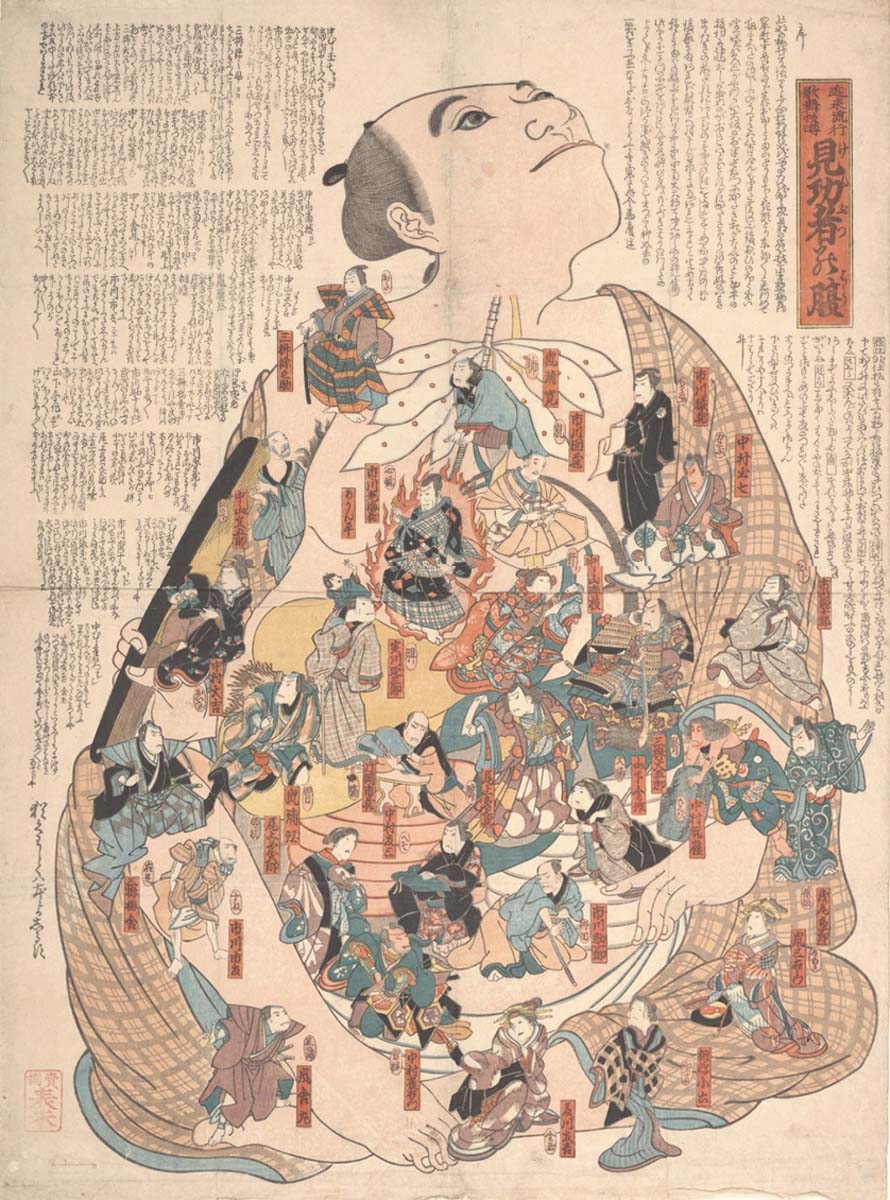
Kinrai ryūkō kabuki uwasa kenbutsu no hara
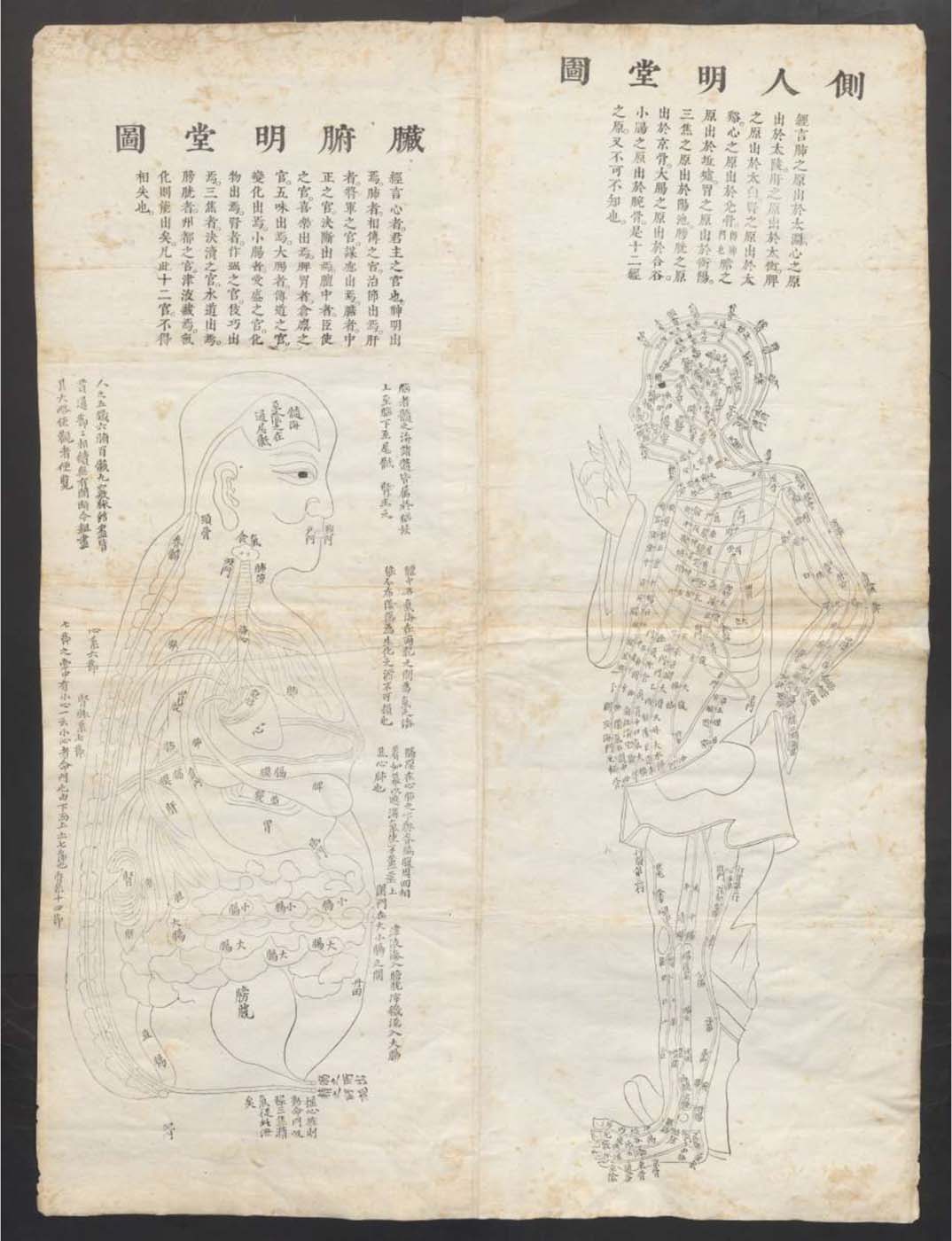
Published in 1597 reprint of a 1565 Yixue gangmu, preserved in Ms sin. 11, part 1, “Enlightened-Hall Diagram of the Viscera”
Rock carving of reindeer with intestines
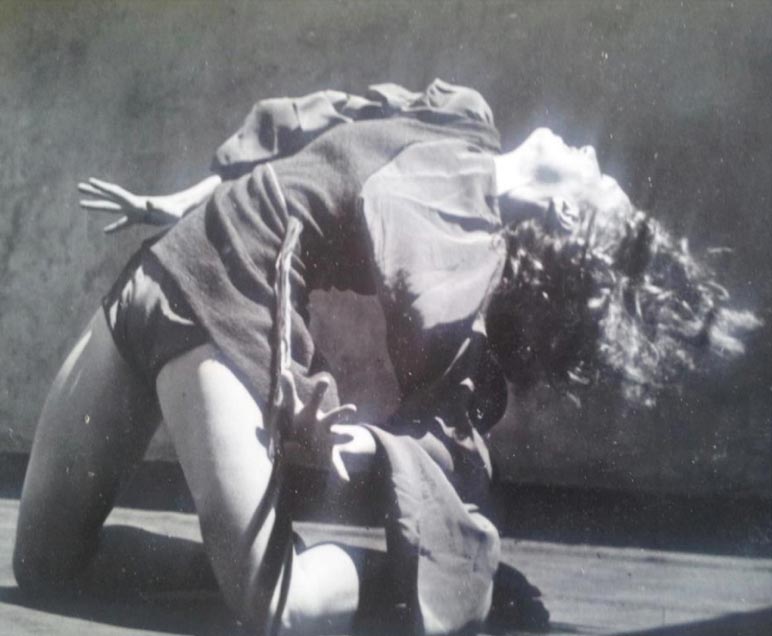
Dancer Shona Dunlop performing the role of Cain in
Cain and Abel,
Sydney, Australia, 1940.
Guts depicted as vulnerable part of the body
Body metaphors including guts
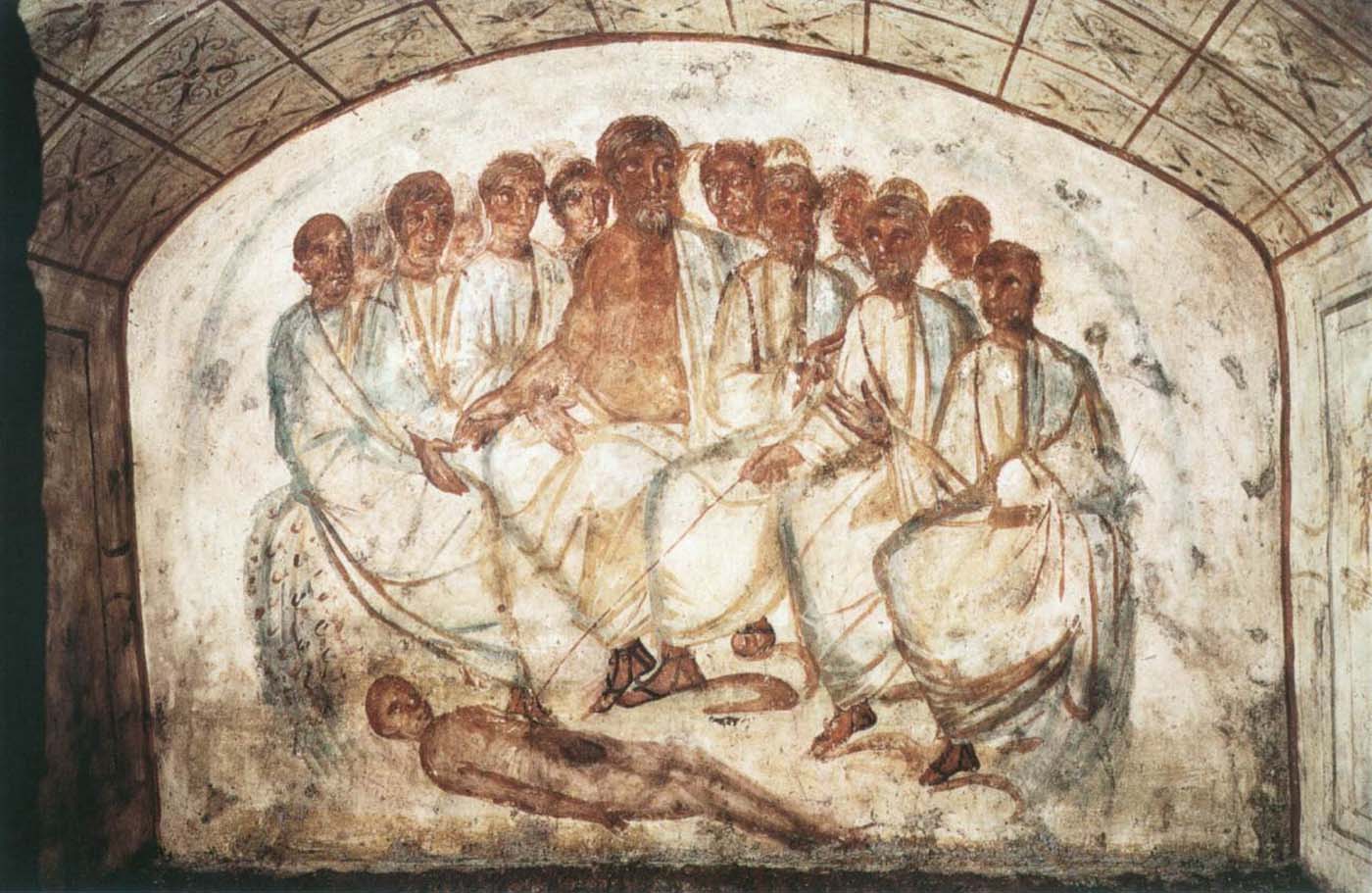
A fresco, Catacomba di Via Dino Compagni
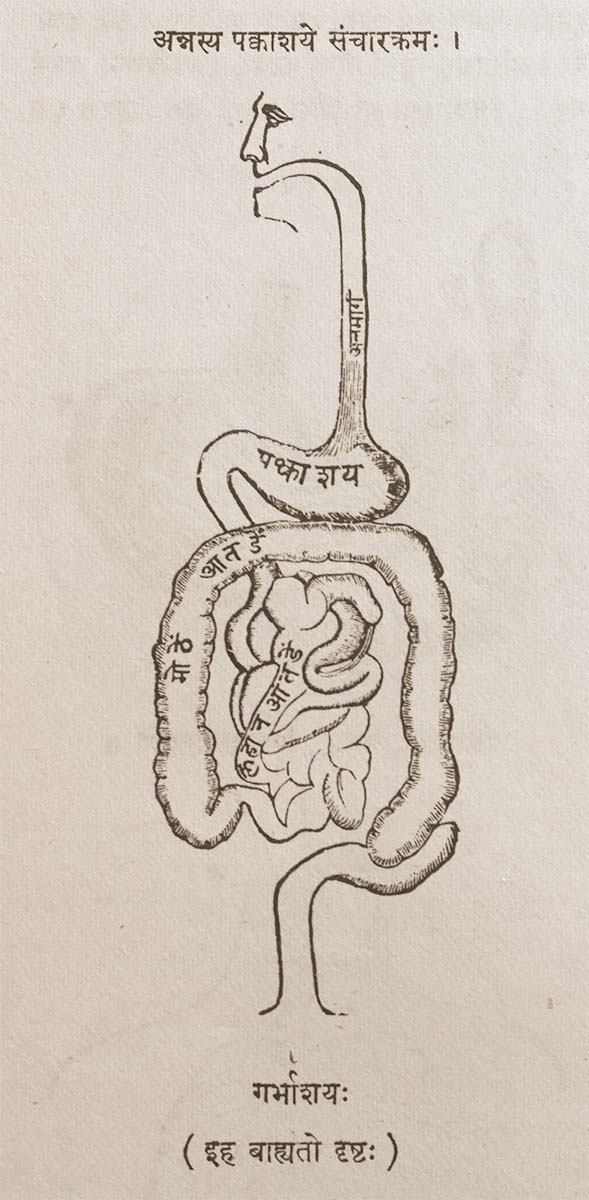
Food’s Course of Movement in the Intestines (engraving)
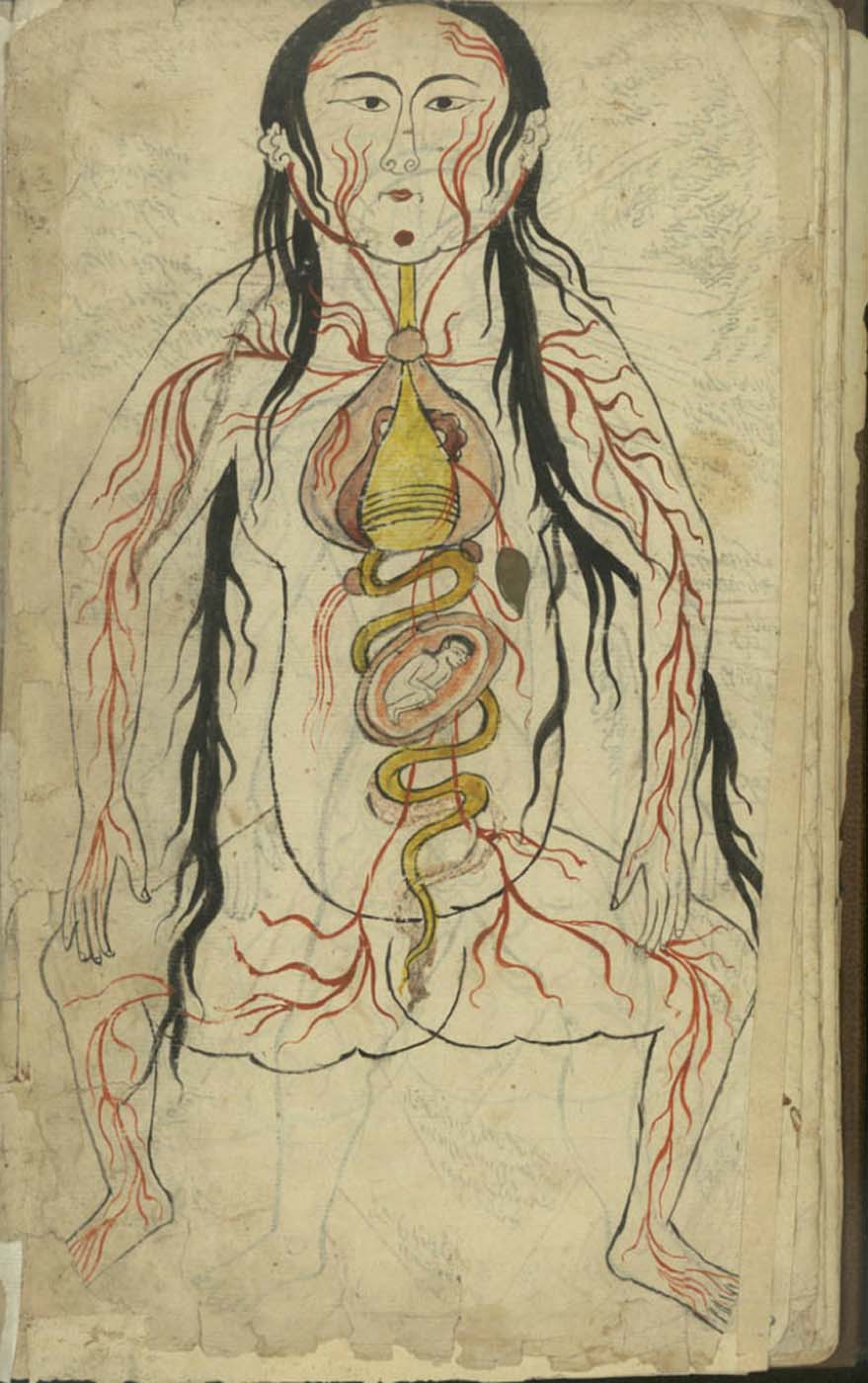
Representation of a woman with the distribution of the blood vessels and the internal organs (f. 15v)
Anatomical figures
Anonymous,
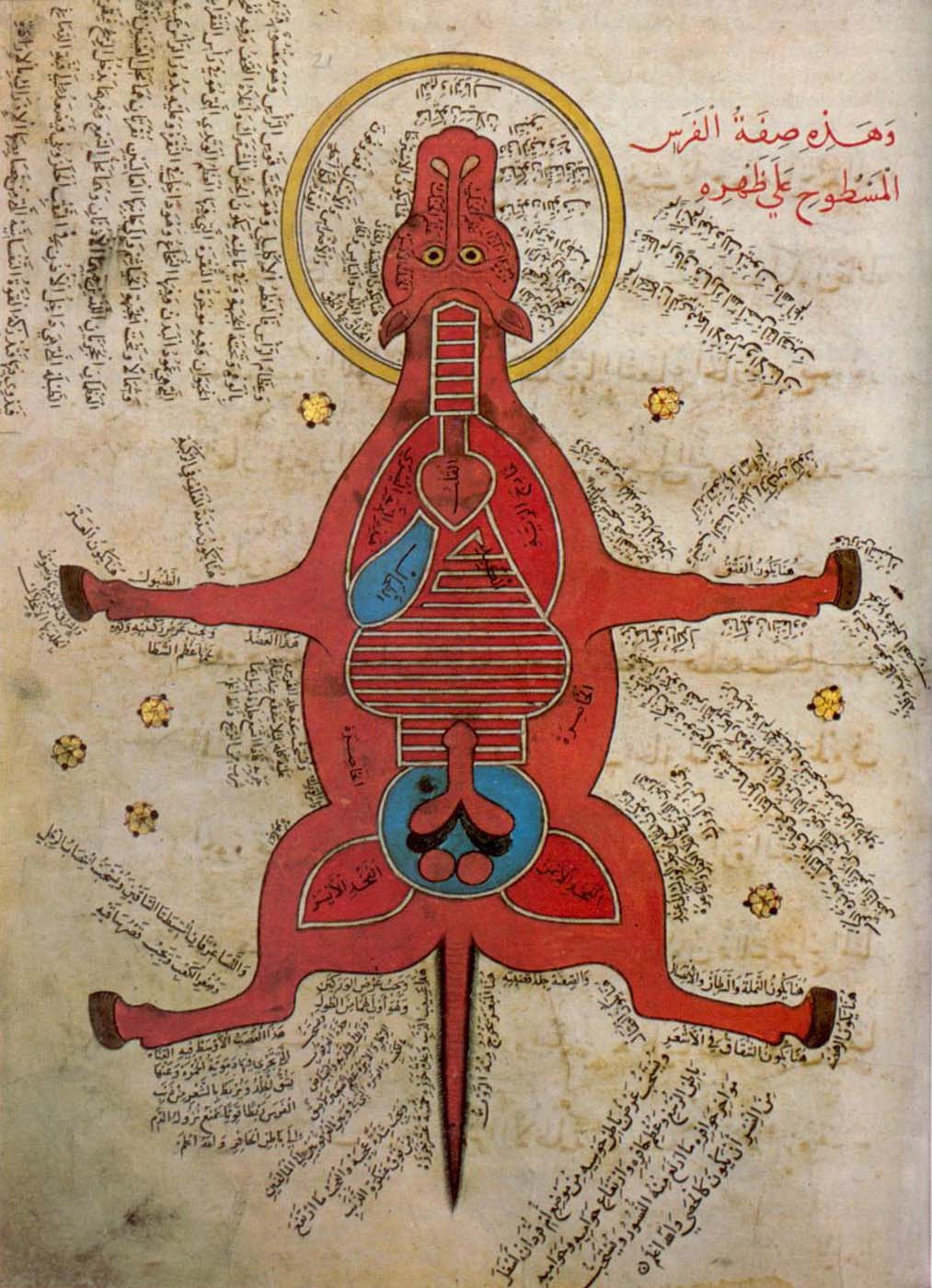
K. Sharḥ al-Maqāma al-Ṣalāḥiyya fī l-Khayl wa-al-Bayṭāra
Minor connecting blood vasculature of the body including gut
Rock carving of elk with lifeline and guts
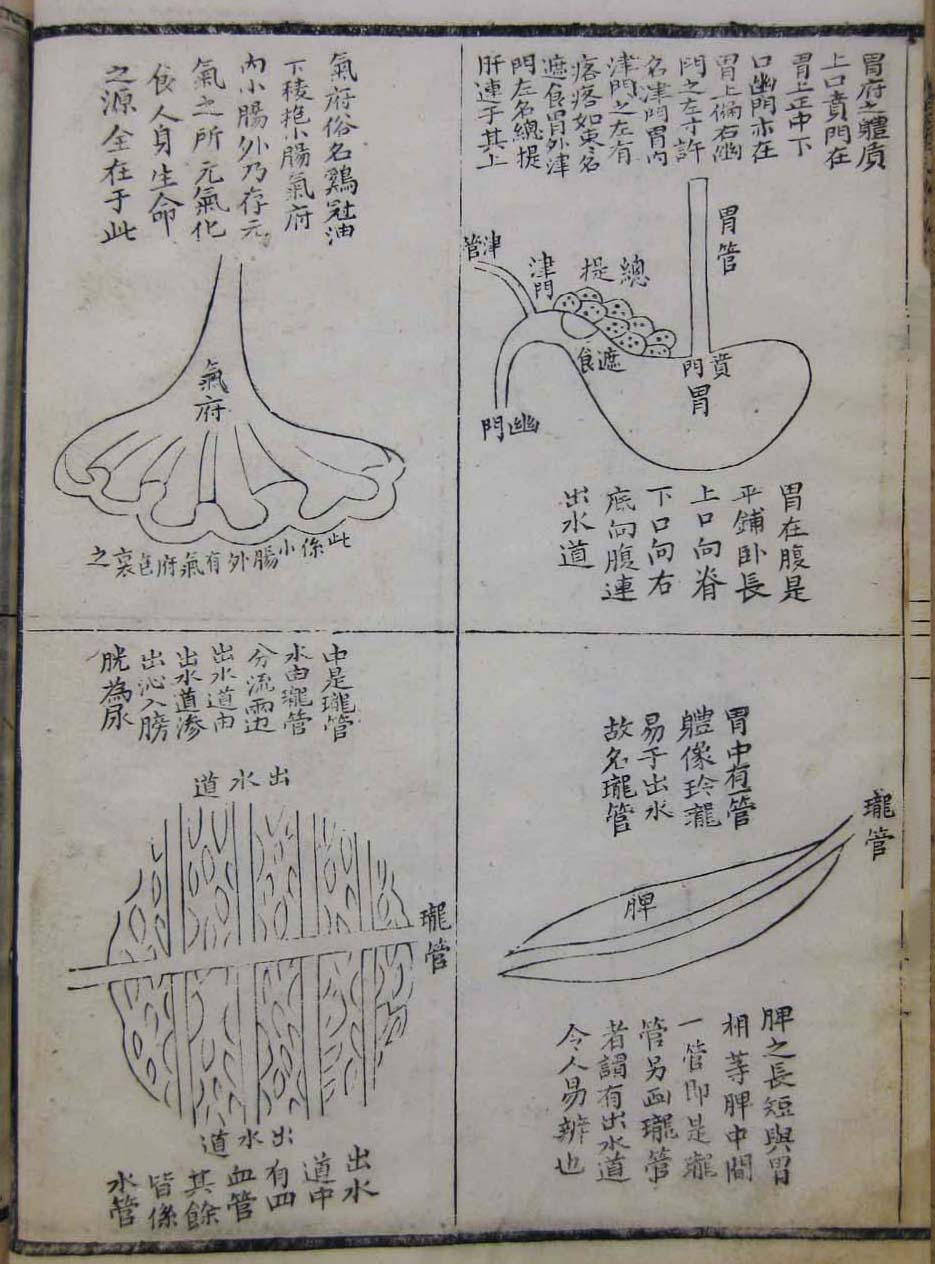
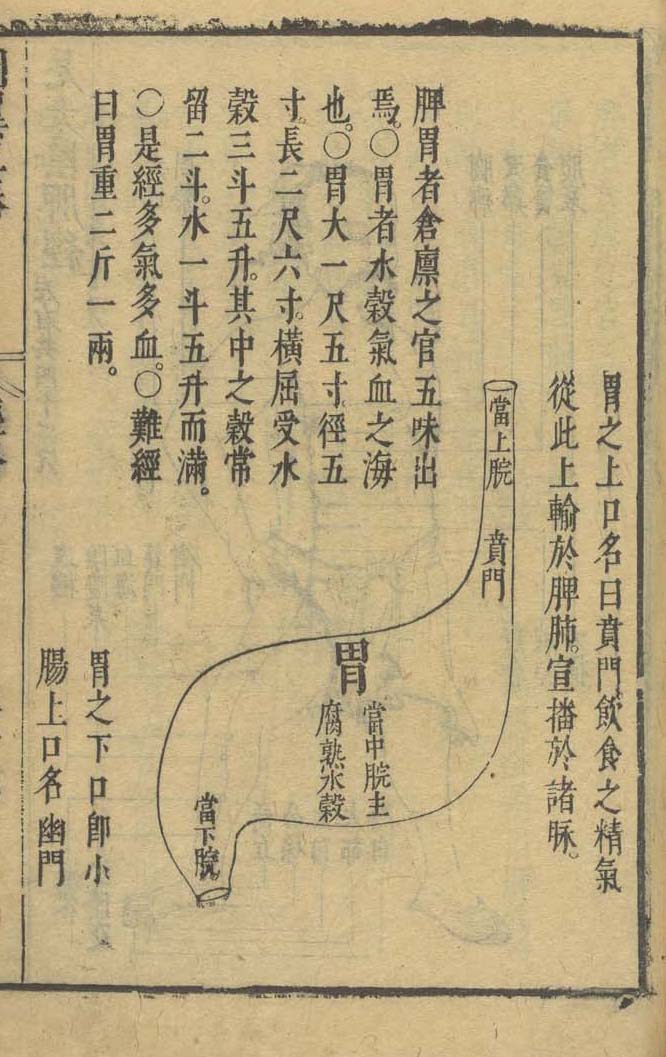
The diagram of the stomach
My culture
The Lower Cinnabar Field
Load More
Viscera
Area
Histories
Image Descriptions
About
![SET 2a+b Huangting dunjia yuanshen jing (Buch der verborgenen Periode und der kausale [Karma] Körper des gelben Hofes) Die beiden Schwarz-Weiß-Bilder aus dem 15. Jahrhundert zeigen unter einem Text in chinesischen Schriftzeichen vogelähnliche Wesen. Auf dem mit „A“ gekennzeichneten hochformatigen Bild links nimmt die Darstellung des Wesens die unteren zwei Drittel ein. Das Wesen ist schreitend mit angelegten Flügeln im Profil dargestellt. Es hat lange, dünne und unbefiederte Füße mit Krallen. Die Unterseite des schlanken kleinen Körpers ist hell. Das Deckgefieder ist gebändert. Lange Schwanzfedern, die in ihrer Form an die eines Pfaus erinnern, ragen aus dem Hinterleib. Der Hals ist nach hinten gebogen, seine kurzen Federn biegen sich nach oben, ebenso das Gefieder am Hinterkopf. Der dunkle Schnabel des Vogelwesens ist kurz und spitz mit einem Höcker darüber. Auf dem Kopf sitzt eine Federkrone Über dem Vogelwesen befinden sich neun, etwa gleich lange Spalten mit Schriftzeichen. Sie erstrecken sich über die gesamte Breite des Bildes. In einer Art Titelzeile darüber befinden sich mit einem größeren Abstand zu einander drei einzelne Schriftzeichen. Das rechts daneben positionierte Hochformat ist mit dem Buchstaben „B“ bezeichnet. Die Aufteilung des Bildraumes zwischen Schriftzeichen und Illustration ist ähnlich wie bei Bild „A“. Unter einer Art Überschrift aus zwei einzelnen Schriftzeichen erstrecken sich die neun Spalten über die gesamte Breite. Auch in diesem Bild ist das Vogelwesen mit angelegten Flügeln im Profil gezeichnet. Es steht auf einem Bein, das andere hat es angehoben und die Krallen zusammengezogen. Die Füße sind unbefiedert. Der helle Brust- und Bauchbereich ist durch eine klare Linie markiert. An den kleinen gedrungenen Körper schließt ein buschig befiederter emporgereckter Hals an. Das Wesen hält seinen drachenähnlichen Kopf in Richtung seines Rückens gedreht. Federbüschel ragen zu beiden Seiten seines Hauptes wie Ohren in die Höhe. Daneben treten zwei dünne gewellte Hörner hervor, ein weiteres Horn sitzt auf der Schnauze. Das Vogelwesen hat lange dünne Schwanzfedern, die an die eines Fasans erinnern. Sie sind schräg nach oben gerichtet. — — SET 2a+b Huangting dunjia yuanshen jing (Book of the Hidden Period and the Causal [Karma] Body of the Yellow Court) The two black and white images from the 15th century show bird-like creatures under a text in Chinese characters. In the portrait format image marked "A" on the left, the depiction of the creature occupies the lower two-thirds. The creature is shown in profile, striding with its wings spread. It has long, thin, and featherless feet with claws. The underside of its slender and small body is pale. The cover plumage is banded. Long tail feathers, resembling those of a peacock in shape, protrude from the abdomen. The neck is bent backwards, and its short feathers curve upwards, as does the plumage on the back of the head. The bird's dark beak is short and pointed with a hump above it. A crown of feathers sits on top of the head. Above the bird-like creature are nine columns of characters of roughly equal length. They extend across the entire width of the image. In a kind of title line at the top of the page, there are three individual characters at a greater distance from each other. On the portrait format image marked “B” on the right, the division of the pictorial space between the characters and the illustration is similar to that in image "A". Under a kind of heading consisting of two individual characters, the nine columns extend across the entire width. In this image, too, the bird is drawn in profile with its wings spread. It is standing on one leg, the other raised and the claws drawn together. The feet are not feathered. The light breast and belly area is marked by a clear line. The small stocky body is joined by a bushy, feathered upturned neck. The creature holds its dragon-like head turned towards its back. Tufts of feathers rise up on either side of its head like ears. Two thin wavy horns protrude next to it, another horn sits on its snout. The creature has long thin tail feathers that resemble those of a pheasant. They are slanted upwards.](https://comparative-guts.net/wp-content/uploads/2023/03/2a-copy.jpg)